Track the evolution of major financial and economic events
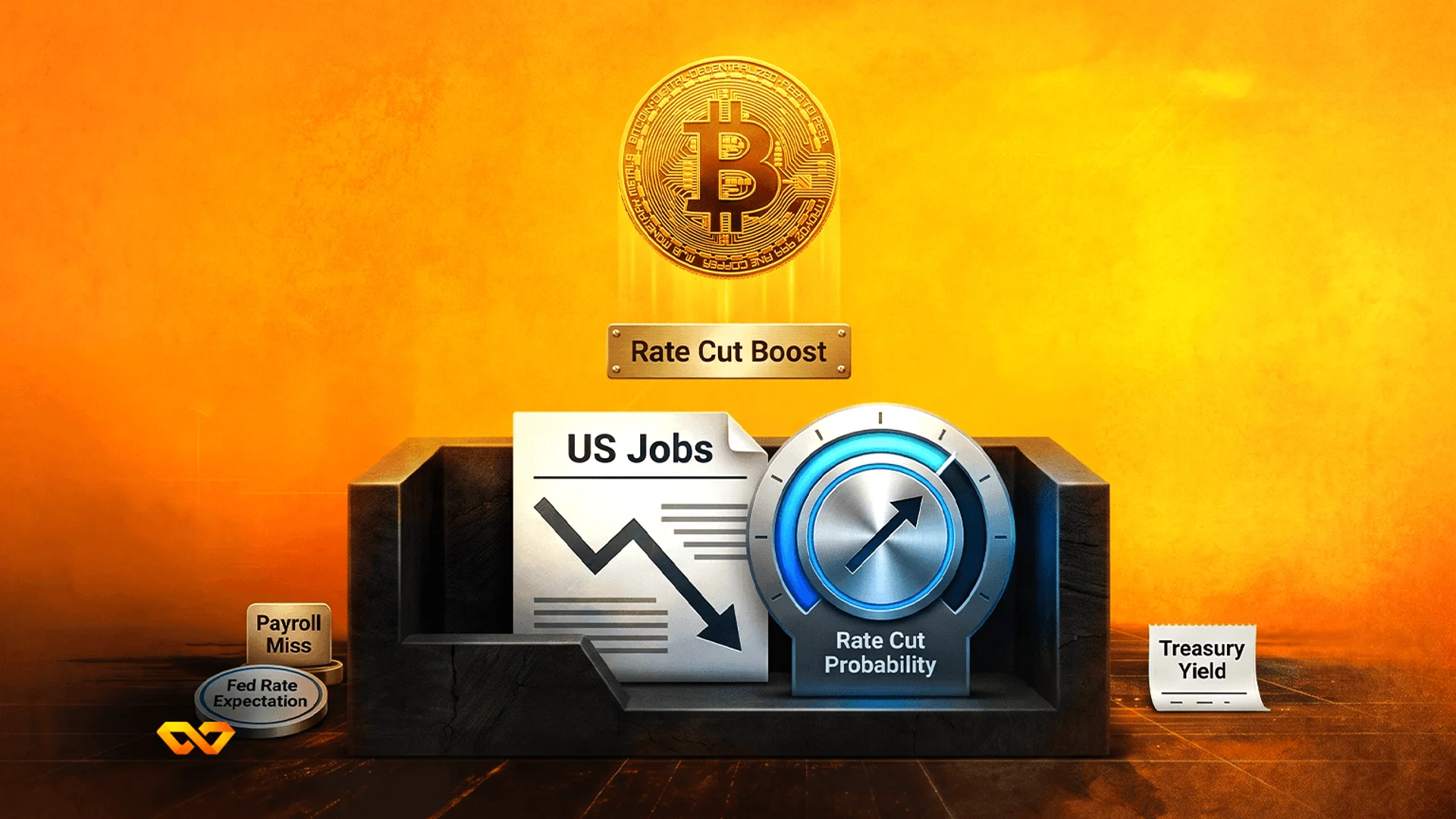
Global markets are awaiting US CPI data and interest rate decisions in Poland and the Czech Republic, with expectations that rates will remain on hold. Cooling US jobs data and sliding oil prices following the reopening of the Strait of Hormuz have led to an unwinding of Federal Reserve rate-hike bets. Consequently, the Fed is now expected to maintain current interest rates until summer 2027 due to slowing inflation.
The Eurozone economy stabilized in June as inflation rates declined, leading to a stabilization in bond yields and a drop in German 10-year government bond yields. By mid-July, European bond yields held steady near their highest levels in several weeks. These movements are primarily driven by investor concerns regarding persistent inflation pressures within the Eurozone.
The largest U.S. power grid, PJM, is facing record electricity demand due to a heat dome and the expansion of data centers. On July 2, the grid began rerouting power traffic and dispatching costly fossil fuel plants to prevent outages. On July 3, electricity prices tripled on the PJM Interconnection grid, which serves 67 million people across 13 states, as power demand surged to approximately 163 gigawatts, nearing the all-time record set in 2006. On July 6, New Jersey lawmakers passed a bill directing the Board of Public Utilities to establish a dedicated tariff for data centers with 50MW capacity or more.
Eurozone inflation declined in June as cooling energy prices increased the likelihood that the European Central Bank will refrain from raising its key interest rate this month. A jump in energy company profits is forecast to drive European blue-chip earnings growth in the second quarter. Energy sector growth is expected to overshadow far weaker gains across the rest of the European market. The EU plans to offer carbon market flexibility to address concerns regarding industrial sector competitiveness.
U.S. stock futures slid in early European trading, indicating that global equities were set to start the second half of the year in the red. Mixed premarket performance was observed as investors awaited June jobs data. Investors are closely monitoring Tesla's latest quarterly delivery numbers. On July 6, Nasdaq 100 futures rose 1.1% and S&P 500 futures climbed 0.4% as traders returned from a long holiday weekend. The Japanese Yen weakened against the Dollar, with USD/JPY reaching 162.31, while 10-year Treasury yields eased to 4.46%.
China's purchasing managers' index rose slightly above pessimistic expectations on June 30, but it does not indicate a major turnaround in June, and a second-quarter slowdown remains likely. Sluggish domestic demand could prompt additional policy support, with markets focusing on the July Politburo meeting. The China PMI data improved, boosting Asian stocks. China's manufacturing PMI came in at 51.7 in June, easing from the prior reading but beating analyst expectations. The reading caps the strongest quarterly performance for the index since 2020.
Kalshi traders anticipate less than a 60% chance that job growth in June will exceed 100,000. The Dow Jones consensus expects a sharp decline in job growth from 172,000 in May to June. Goldman Sachs estimates that the June jobs report could be boosted by approximately 40,000 positions due to the impact of the World Cup. The bank based its estimates on Homebase data suggesting a modest hiring increase linked to the global sporting event.
The US Flash Composite PMI Output Index rose to 52.2 in June, reaching a five-month high. The Manufacturing PMI increased to 55.7, marking a 49-month high for the sector. However, the S&P Global US Manufacturing PMI fell to 53.9 in June, a three-month low, yet it still signals expansion for the eleventh consecutive month.
Canada’s headline inflation is expected to rise to 3% in May, up from 2.8% in April. Traders are closely monitoring the upcoming data release alongside scheduled speeches from the Bank of Canada and Federal Reserve governors. Canadian stock index futures fell as the hot inflation data and shifting interest rate expectations dampened market sentiment.
The Trump administration will pay nearly $800 million to Invenergy to cancel wind power projects, with the developer planning to redeploy the funds into natural gas and geothermal ventures. Concurrently, the administration has proposed new regulatory rules aimed at loosening restrictions on oil drilling operations. In response, California has filed a lawsuit against the US EPA regarding the potential reversal of vehicle emissions rules sent to Congress.
US housing starts plunged 15.4% in May to 1.177 million units, marking the lowest level since the pandemic and significantly missing economist expectations. The decline was primarily driven by a collapse in multi-family rental starts, while building permits saw a minor 0.7% dip in line with market forecasts. Despite the weak housing data, US homebuilder stocks advanced following the passage of a congressional bill aimed at boosting affordable housing.
U.S. markets are awaiting the FOMC interest rate decision scheduled for this week. Geopolitical developments involving Iran are cited as a top catalyst for the Dow Jones and S&P 500 indices. Market focus has shifted toward tomorrow's FOMC meeting for key monetary policy decisions.
Taiwan experienced a significant trade surge in May, with exports and imports beating expectations by growing over 50% year-on-year. This positive momentum led the Taiwan Weighted index to close 2.36% higher on June 15. The upward trend continued through the June 17 session, where the index closed up by an additional 2.78%.
European markets experienced fluctuations as geopolitical tensions in the Middle East began to recede in early June. Equities later paused their record-breaking rally as investors assessed the implications of new inflation data. By mid-month, the STOXX 600 index stalled, pressured by a decline in retail shares and escalating concerns regarding Federal Reserve interest rate hikes.
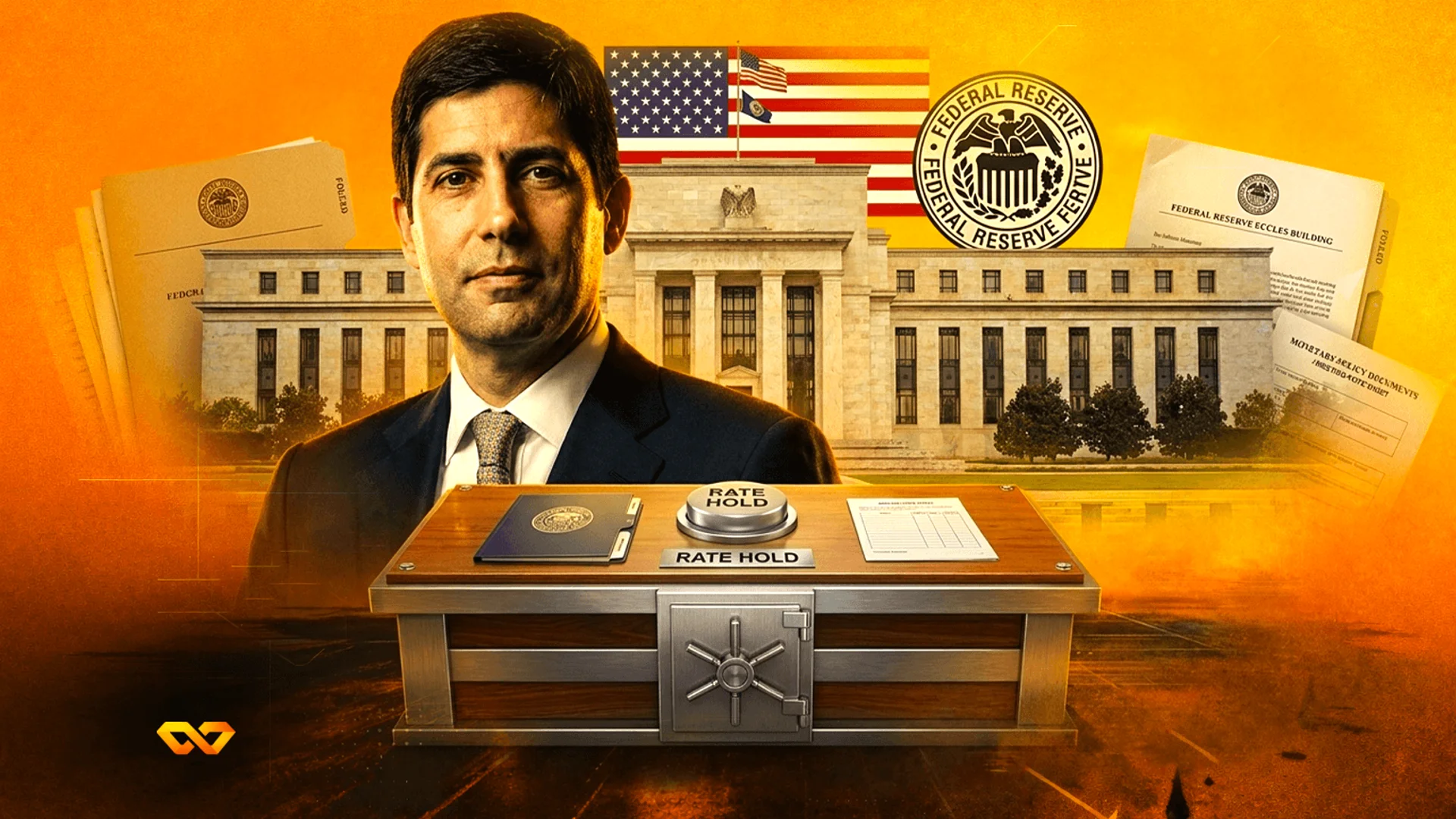
U.S. inflation is projected to exceed the 4% threshold this week for the first time since 2023, as bond investors pressure Fed Chair Kevin Warsh for commitments to combat rising prices. The negative repercussions of this inflationary spike are expected to persist through the remainder of the year. However, forecasts suggest that lower gasoline prices and fading tariff effects may nudge inflation lower by the end of 2026.
U.S. consumer confidence plummeted to a historic low in June 2026, with the University of Michigan's sentiment index hitting 44.8, its lowest reading since 1952. Despite this decline, analysts project 2026 IPO proceeds to reach $200 billion, surpassing the 1999-2000 dot-com peaks. Concurrently, major tech firms announced massive capital raises, including $84.75 billion by Alphabet and significant multi-billion dollar rounds by Meta.
U.S.-based employers announced 97,006 job cuts in May, marking the highest level for that month since 2020 and a 16% increase from April. According to a report from Challenger, Gray & Christmas, the technology sector remains the leading sector for staff reductions. Notably, artificial intelligence was cited as a driver for 40% of the total workforce reductions announced.
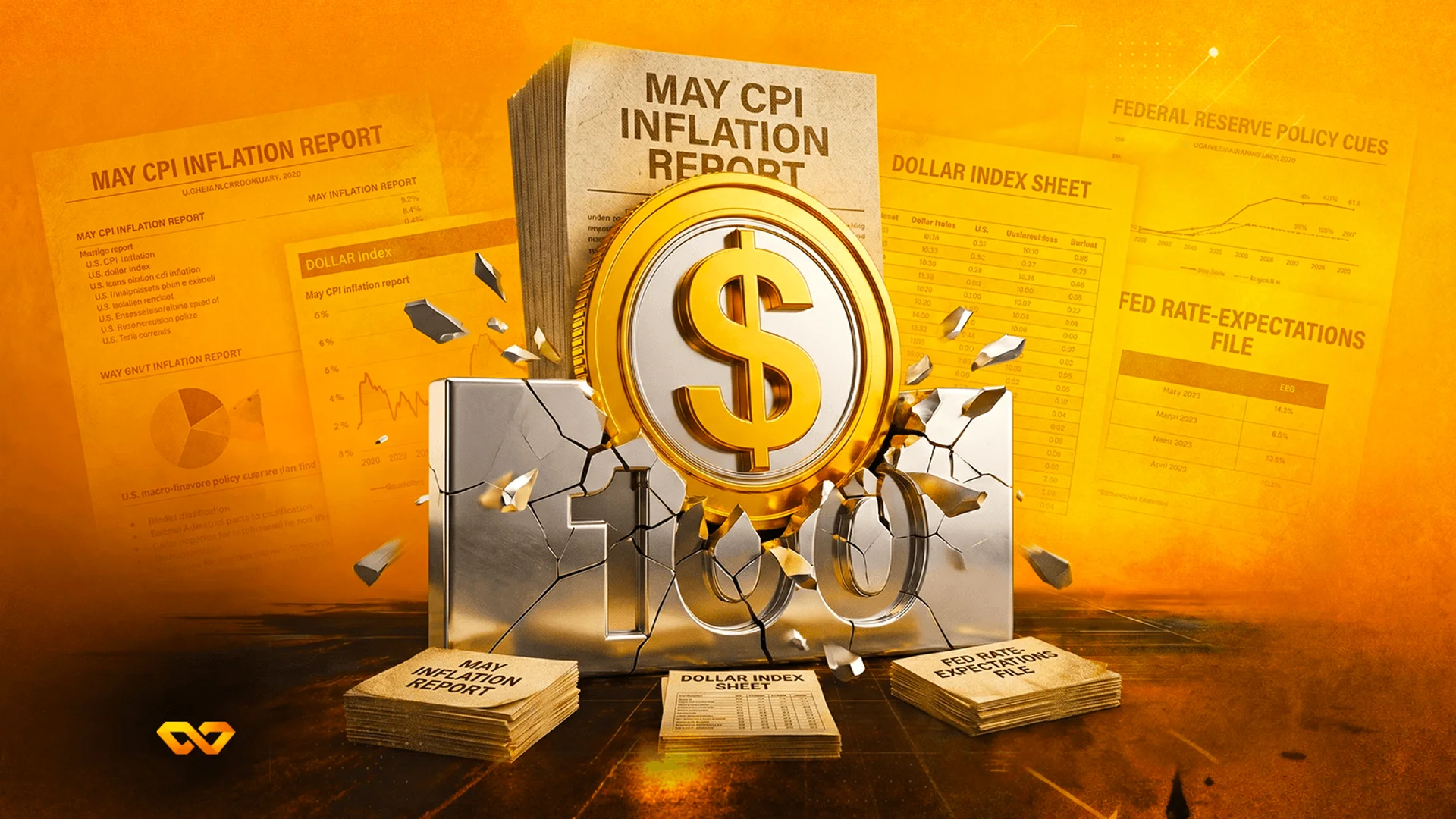
Global markets are awaiting the release of May 2026 US CPI data, with headline inflation expected to spike above 4% driven by energy and manufacturing costs. While crude oil prices show signs of easing, expectations for interest rate hikes by both the Federal Reserve and the ECB are mounting. Investors are currently reassessing the interest rate trajectory following a significant tech-led selloff and a rotation out of semiconductor stocks.
On June 3, the White House proposed a new plan for a minimum 10% tariff with specific exemptions for coffee, beef, and microchip suppliers. This proposal aims to protect certain vital sectors from the negative impacts of tariffs.
Australia's Q1 GDP growth missed estimates due to severe weather and weak demand. Following this data, the Australian dollar weakened against the US dollar, with AUD/USD declining. Additionally, AUD/JPY slipped below 114.50 after the weaker-than-expected GDP data.
Gold has surpassed U.S. debt to become the primary reserve asset for central banks worldwide. The share of gold in reserves has risen to 27% as central banks diversify away from the dollar. Major central banks, including the People's Bank of China and the Reserve Bank of India, have increased their gold purchases. Meanwhile, the share of U.S. Treasuries has dropped to 22%. Gold prices rose, reaching $4,461.09 an ounce.
On June 4, Wall Street investors are increasingly worried about US debt sustainability and are demanding higher yields. The Treasury market is eyeing Friday's non-farm payrolls report as a critical indicator for interest rate paths.
The U.S. economy slowed to an annual growth rate of 1.6% during the first three months of 2026, reflecting the impact of high interest rates. This decline in growth comes at a time when the economy faces multiple challenges, raising concerns about future economic sustainability.
Household energy bills are projected to surge by 13% annually starting in July, driven by soaring wholesale costs due to the US-Israel conflict with Iran. This increase is expected to significantly impact household budgets, raising concerns about affordability in the current climate.