Track the evolution of major financial and economic events
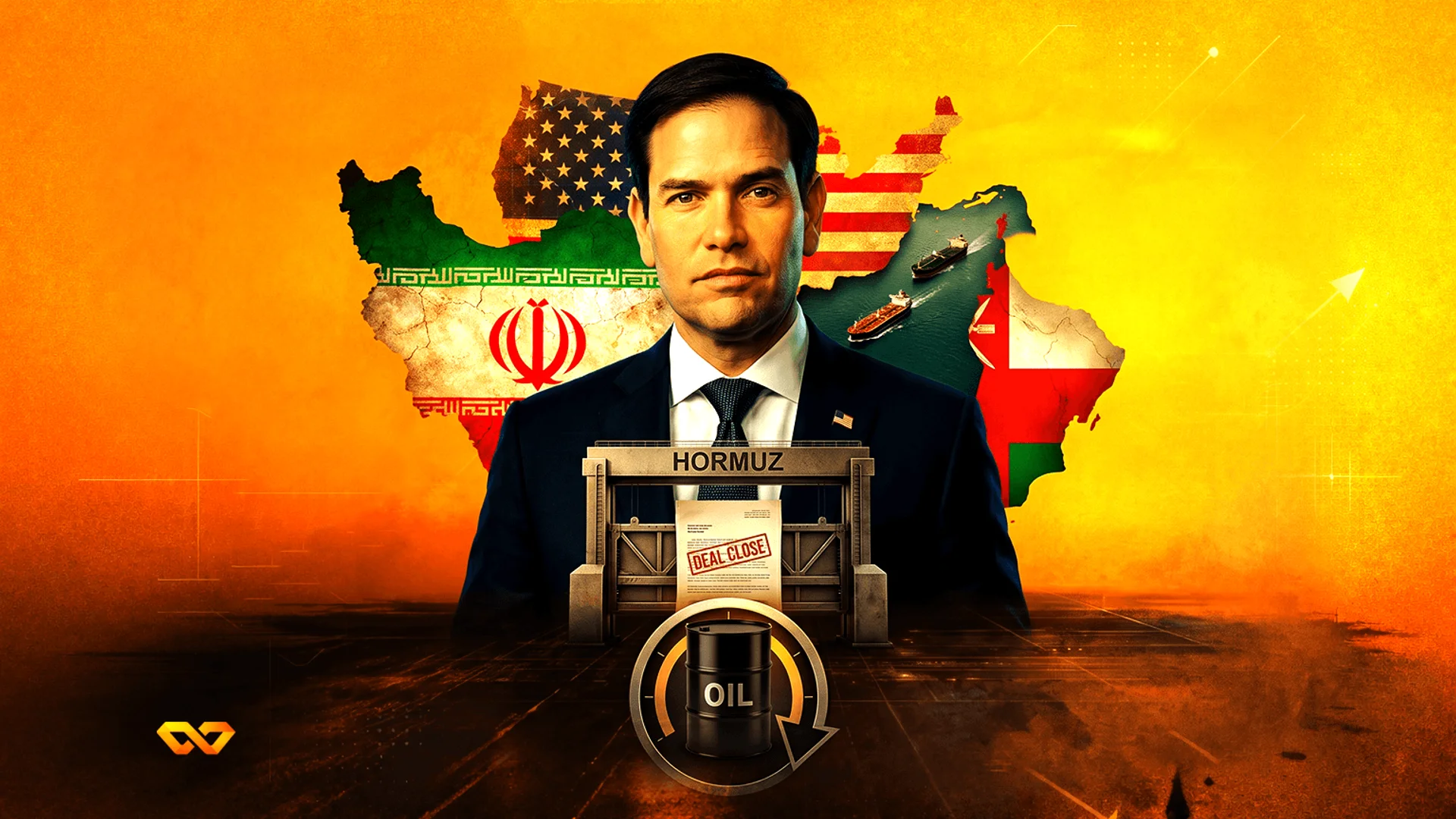
Oil prices extended their losses on August 26 following reports of diplomatic talks between Iran and Oman. The discussions reportedly aim to temporarily reopen the Strait of Hormuz, a critical maritime passage for global energy supplies. This development contributed to the continued decline in oil prices as market concerns regarding supply disruptions showed signs of easing.
On September 4, a Ukrainian naval drone attacked the service vessel Nefrit in Sochi, a ship essential for repair works at the CPC oil terminal. The attack has halted scheduled maintenance and created uncertainty surrounding future crude-loading operations via the Kazakhstan pipeline. This disruption poses a challenge to the stability and predictability of oil exports from the terminal.
On September 3, gold prices surged following dovish remarks from Federal Reserve official Christopher Waller regarding the interest rate outlook. Waller's tone weakened market bets on a potential Fed rate hike. This shift in sentiment occurred just ahead of the release of the upcoming Non-Farm Payrolls report.
Chevron is nearing an agreement to acquire two significant oil fields in the Carabobo region of Venezuela's Orinoco Belt. This development is part of the Trump administration's push to increase U.S. investment in the Venezuelan oil industry. The deal signifies a strategic move to expand the company's operations in the country under current policy guidance.
Escalating tensions in the Middle East drove crude oil prices higher on August 31. During the same period, major stocks declined as long-dated bond yields moved upward. Additionally, Amazon faced a new legal challenge amid the broader market volatility. These developments highlight the impact of geopolitical and economic factors on the energy and technology sectors.
The White House and Venezuela’s interim government signed a historic oil accord spanning 25 to 100 years to drive long-term infrastructure investment. U.S. Energy Secretary Chris Wright stated that Venezuelan crude production could double due to new deals with U.S. and foreign energy firms. Additionally, the U.S. is negotiating direct ownership in fields with 90 billion barrels of reserves and has secured a 35% stake in NABEP with a right of first refusal for 80% of its production.
At the Jackson Hole Symposium on August 31, Fed Chair Kevin Warsh signaled a hawkish stance by stating that current financial conditions are not restrictive. This speech led to an increase in market expectations for a September rate hike, which rose to approximately 60%. Consequently, gold prices slumped, erasing recent gains and returning to pre-announcement levels while targeting key support at 4,311.
Venezuela is reportedly planning to exit OPEC, signaling a major strategic shift in its national oil policy. Simultaneously, the Trump administration is engaged in discussions regarding potential direct ownership stakes in Venezuelan oil fields. These developments indicate a significant realignment of the country's resource management and international energy relations.
Gold prices rose 0.8% to reach $4,630.09 per ounce in Asian trading, recovering from earlier lows below $4,600. The surge was driven by intensified debasement fears following the US Treasury's decision to double liquidity-support buybacks for longer-dated bonds. However, strong US inflation data is supporting the US Dollar and exerting downward pressure on the metal. Investors are now focused on Fed Chair Kevin Warsh’s upcoming Jackson Hole speech as a critical test for the current rally.
Gold prices advanced to a new high since June on August 21, fueled by renewed selling pressure on the US Dollar. The upward movement was supported by fading market expectations regarding further Federal Reserve interest rate hikes. As a non-yielding asset, gold became more attractive to investors as bets on higher rates diminished.
Russia's Orsk oil refinery has shut down completely for up to six months following a Ukrainian drone strike on August 13. The offensive expanded to include strikes on the Ust-Luga port, Savasleyka air base, and the Progress Rocket and Space Center using specialized cruise missiles. President Zelensky noted that these actions target Russia's military and space potential, including electronics vital for war operations. This series of attacks marks a significant disruption to Russia's strategic energy and industrial infrastructure.
The closure of the Strait of Hormuz due to Iranian attacks has isolated major LPG exporters, including Saudi Arabia, the UAE, and Qatar, disrupting global supply chains. Geopolitical tensions escalated further following a Houthi attack on Saudi Arabia, pushing Brent crude prices above $83 per barrel. Meanwhile, the cryptocurrency market saw Bitcoin rise significantly from $63,000 to stabilize just below the $68,000 level. These events represent a sharp escalation in Middle East tensions, contradicting previous reports of improving regional sentiment.
Oil prices declined significantly following reports of an imminent deal to reopen the Strait of Hormuz. On August 4, Brent crude dropped 4% after comments regarding a temporary shipping arrangement agreed upon by negotiators from Iran and Oman. By August 5, WTI oil tested the $75 level as market participants focused on the ongoing negotiations between the two nations.
Silver (XAG/USD) reached the $59.00 level on August 4, driven by cautious optimism regarding peace efforts in Iran. By August 5, the price surged further to revisit monthly highs near $61.00. This upward movement in silver prices coincided with a significant decline in global oil prices as markets weigh geopolitical developments against precious metal forecasts.
Gold has broken through key technical resistance levels, strengthening near-term bullish expectations. Confirming broader momentum requires a move above $4,203 and the 50-day moving average. As prices hold above current support, gold faces a key test of its reversal setup; a breakout above the $4,203–$4,240 resistance range could confirm a broader bullish trend reversal.
Oil prices jumped 3% on Monday, with Brent crude surpassing $90 a barrel. The surge follows expanded attacks between the US and Iran, which have curbed energy shipments through the Strait of Hormuz. These developments highlight how escalating geopolitical tensions are directly impacting global energy flows.
Gold prices rose in early Asian trade, supported by sustained structural demand from central banks, though they remained below the $4,000 mark. While a modest pullback in the US dollar provided some stability, the near-term outlook remains bearish due to elevated bond yields across major economies. Additionally, billionaire John Paulson consolidated ownership of the Donlin Gold mine through a significant $4.2 billion deal with NOVAGOLD.
WTI crude oil is testing key technical resistance levels following a powerful 13-day consecutive rally and recovery phase. Prices are currently oscillating between a support level of $77.84 and a resistance level of $81.25, with buyers eyeing a breakout toward the 50% Fibonacci retracement at $82.01. The market is also monitoring the 100-hour moving average at $79.17, as a break below this level could shift the technical focus back to the $77.84 support mark.
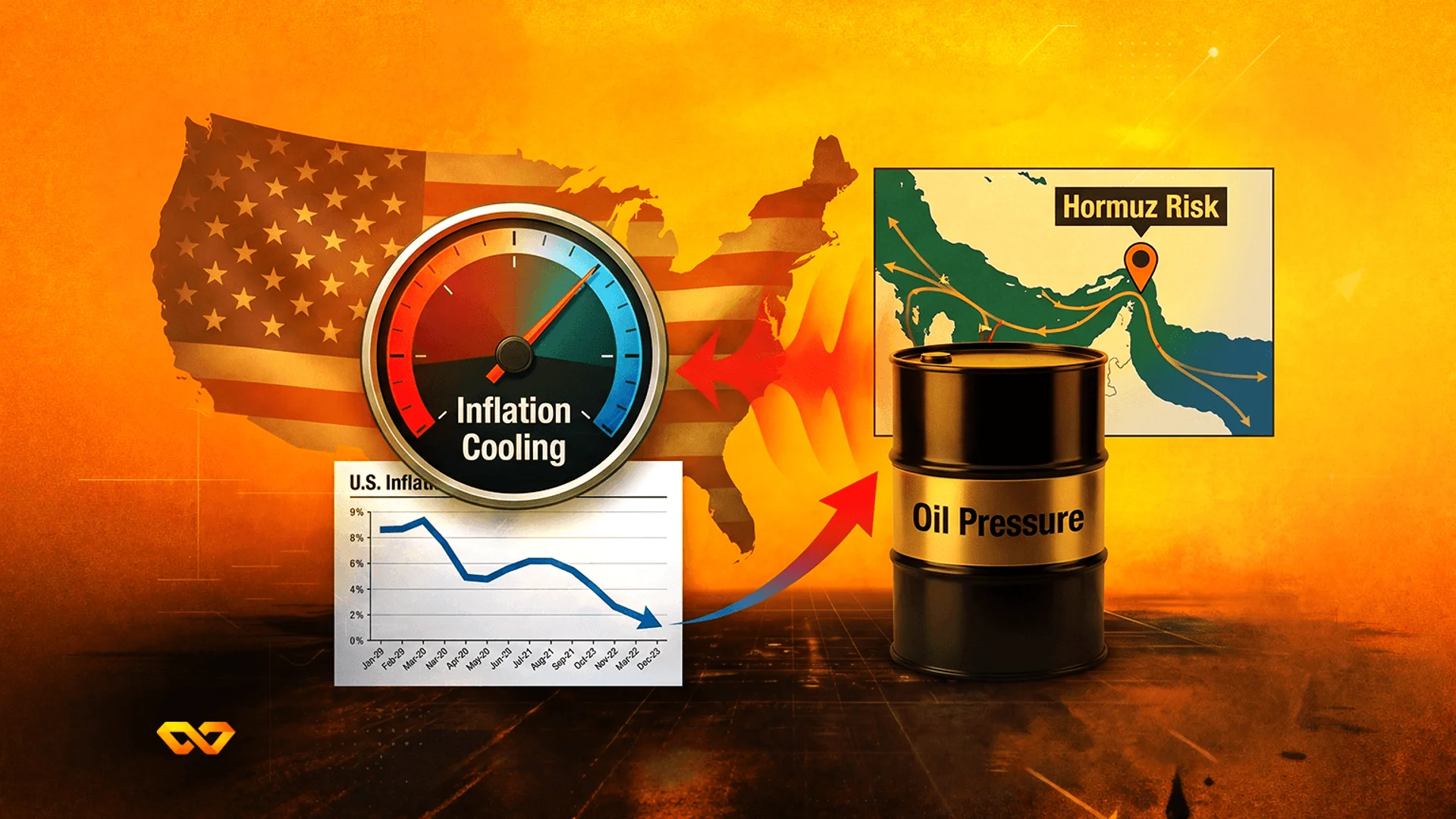
Asian spot LNG prices surged 10% to $20.2 per mmBtu, while US gas prices topped $4 due to shipping disruptions in the Strait of Hormuz. Oil prices rose sharply amid renewed Middle East conflict, complicating the economic outlook despite cooler-than-expected US inflation data. While soft CPI and PPI data eased immediate Federal Reserve rate-hike fears and lowered bond yields, markets remain wary of rising energy costs.
Gold price (XAU/USD) remains under bearish momentum as it stays below the 20-day EMA. Analysts suggest further downside potential if the price breaks the technical support level of $3,940. As of July 20, the price is approaching the tip of a technical triangle formation near the $4,000 area.
Silver prices (XAG/USD) fell toward the $57.00 level on July 16, driven by ongoing geopolitical tensions in the Middle East. By July 20, spot silver rose 1.8% to $56.85 an ounce but faced strong resistance at the $57.50 level. Prices were further influenced by Brent crude climbing above $90 a barrel as the US-Iran conflict neared a broader regional war.
China's crude oil imports plunged 41.3% in June to their lowest level since 2016, effectively capping global price hikes despite Middle East supply disruptions. However, imports are expected to recover in July to an average of 7.8 million barrels per day. This projected surge is driven by increased refinery purchases of Russian crude and a higher volume of tanker arrivals from the Middle East.
Gold prices declined early in the week due to a stronger US dollar and high interest rates, further pressured by the emergence of a technical 'Death Cross' pattern. Despite a slight bounce and attempts to hold support levels on Friday, gold ended the week down 2.5%. This performance marks the second consecutive weekly decline for the precious metal.
Gold prices recovered to trade above $4,100 on July 10 as traders assessed US-Iran geopolitical risks. By July 15, the market consolidated above $4,000 an ounce despite failing to break through resistance at $4,100. However, gold fell below the $4,000 level on July 17, marking its first daily close below this threshold since November 2025.