Track the evolution of major financial and economic events
On September 6, the Liquid Network Bitcoin sidechain paused its operations following a security breach involving the unauthorized withdrawal of $320 million worth of BTC. Consequently, cryptocurrency exchanges have suspended all LBTC deposits and withdrawals. Blockstream is currently attempting to contact those responsible for the withdrawal to address the incident.
Ethereum founder Vitalik Buterin dismissed claims that AI-driven security threats could trigger a 50% crash in Bitcoin's price. He emphasized the blockchain's cryptographic resilience and available upgrade options as robust defenses against AI-related risks. Furthermore, Buterin suggested that AI's role in blockchain technology should be viewed as a means to enhance security defenses rather than just a source of threats.
Bitcoin surpassed the $80,000 and $81,000 milestones, testing levels above $82,000 on September 4. This rally was primarily driven by falling bond yields, which helped offset concerns regarding the cryptocurrency's historically weak performance in September. However, the sustainability of these gains remains questioned due to ongoing ETF volatility.
Bitcoin's price surged past the $82,000 mark, hitting a new peak and significantly exceeding previous targets. The rally was supported by fading expectations for Federal Reserve rate hikes, which strengthened the cryptocurrency's bullish momentum. Furthermore, spot Bitcoin ETFs recorded massive daily inflows exceeding $730 million. This surge represents the third-largest daily inflow of the year, contributing to the record-breaking price action.
On September 3, Bitcoin officially surpassed the $80,000 milestone, reaching a peak of $80,477 within a few hours. This significant price surge was primarily driven by dovish signals from the Federal Reserve. These signals effectively dampened market expectations and bets regarding future interest rate hikes.
Tether is facing a lawsuit alleging it froze $42.4 million in USDT based on an informal request. The legal action claims the freeze occurred months before a formal seizure warrant was officially issued by authorities. The case focuses on the legality and timing of freezing digital assets without a formal legal mandate at the time of the action.
In August, Binance recorded record-breaking inflows exceeding $15.7 billion, driven by a rebound in Bitcoin's price and overall crypto market valuations. The exchange captured over 75% of the total digital asset ecosystem inflows during the month, significantly outperforming its competitors. This surge highlights Binance's dominant position in the market as it recovered from previous volatility.
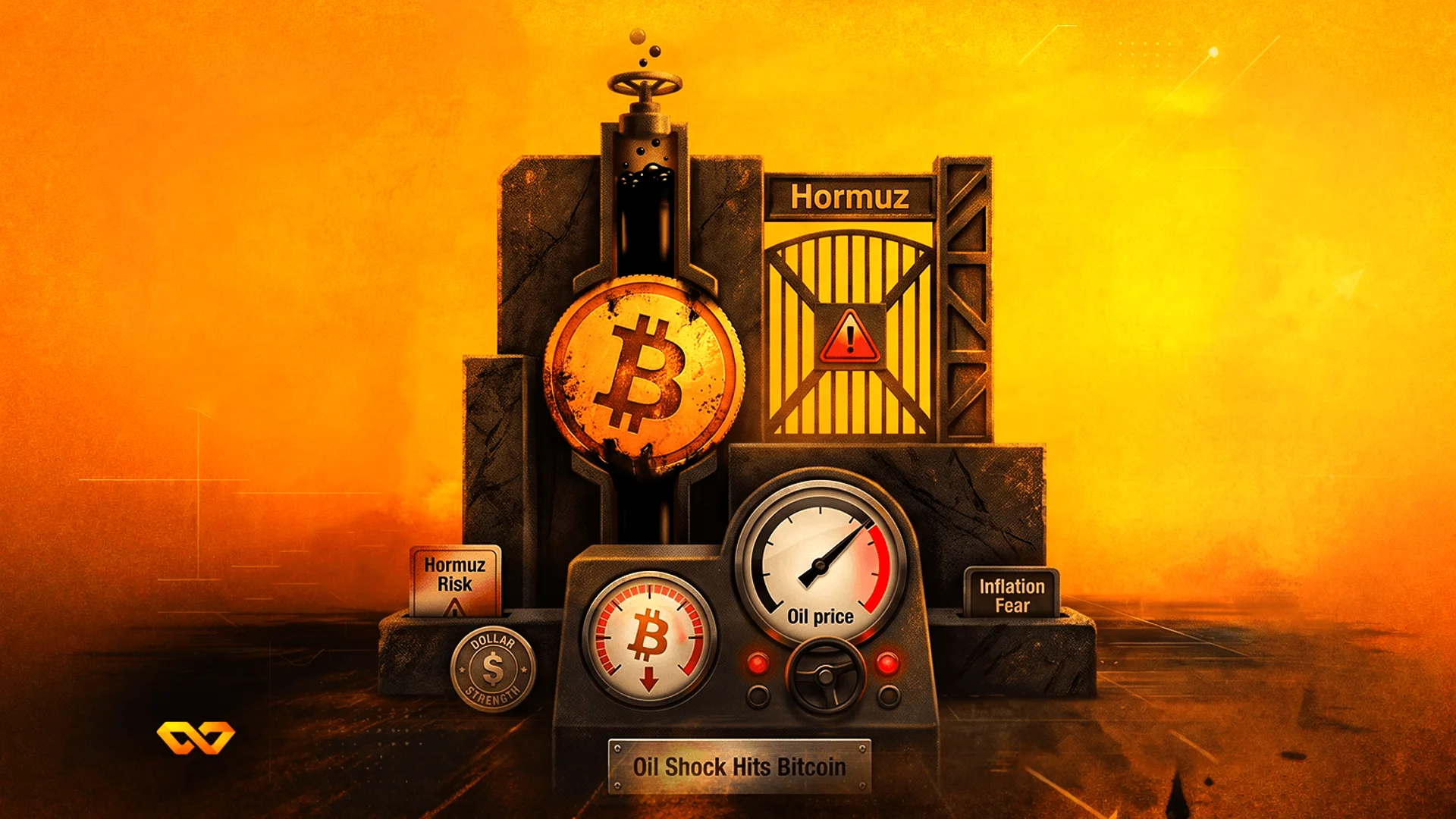
On September 1, Bitcoin's price dropped by more than 2% to a low of $77,161 before staging a modest recovery. This downturn coincided with escalating geopolitical tensions between Washington and Tehran. Furthermore, oil prices surged above $90, reflecting a broader risk-off sentiment in the global markets.
On August 31, Strive acquired an additional 1,800 Bitcoin for $143 million. This purchase brought the company's total holdings to 23,156 BTC. As a result, Strive now maintains the fifth-largest corporate Bitcoin treasury in the world.
On August 31, Robinhood Chain recorded $2.66 million in 24-hour app revenue, surpassing major networks including Ethereum, Base, and Hyperliquid. This rapid growth underscores shifting dynamics within the decentralized finance (DeFi) sector. The performance presents a notable challenge to Ethereum's established economic model.
On August 30, the Cronos Network paused its operations following a significant exploit on Tectonic, its decentralized lending protocol. On-chain analysis estimates that approximately $119.5 million was drained from the lending pools during the attack. The network suspension serves as a direct response to mitigate the impact of the security breach.
On August 28, the Solana network approved the SGP-0002 proposal to double its disinflation rate to 30% during its first-ever network-wide vote. The proposal passed by a very narrow margin after a Kraken-linked validator switched sides in the final moments of the voting process. This historic event marks a significant milestone in Solana's economic policy and governance history.
IREN shares dropped 8% on August 28 following the release of its fiscal year 2026 financial results. Although the company reported $4 billion in contracted AI Annual Recurring Revenue (ARR), the costs of transitioning into an AI cloud provider weakened its overall profitability. These transition expenses were a primary factor in the stock's decline despite the significant revenue figures reported.
Bitcoin maintained its position above the $80,000 threshold as the Federal Reserve's Jackson Hole economic symposium commenced on August 27, marking a significant rise from the previously tested $70,000 level. For the first time in 40 years, the symposium's agenda focuses specifically on payments and financial infrastructure. These focus areas directly overlap with the cryptocurrency sector, aligning with Bitcoin's recent price stability.
On August 27, Charles Schwab announced the expansion of its cryptocurrency platform to include new assets. The update introduces support for Solana, Avalanche, and Chainlink to its existing offerings. This move aims to provide investors with a broader range of options within the digital asset market. The expansion highlights the firm's continued integration of blockchain-based assets into its service ecosystem.
Bitcoin ETFs recorded $2.8 billion in inflows over eight consecutive trading sessions as of August 27. This surge in capital coincides with the Bitcoin price testing a significant psychological resistance level of $80,000. Markets are closely monitoring these developments as the digital asset maintains its momentum. These figures highlight the sustained institutional interest in Bitcoin through exchange-traded products.
Bitcoin is currently testing a new resistance level at $82,500, with the Relative Strength Index (RSI) climbing above 82, indicating overbought technical conditions. A massive $2.9 billion liquidation zone has been identified, which could trigger a 'bull trap' if the price is rejected at current levels. Such a rejection might lead to a retracement toward support levels between $68,000 and $72,000. These facts highlight significant market risks as Bitcoin faces critical price thresholds.
StarkWare announced on August 27 the successful execution of the first Bitcoin transaction designed to resist quantum computing threats. This technical milestone marks a significant step toward securing the network against future quantum capabilities. However, the company emphasized that Bitcoin still requires a protocol-level upgrade to be fully secure against such threats.
On August 26, Revolut began a phased rollout of its first euro-pegged stablecoin, EURR, in Denmark, Poland, and Portugal. The token is issued by Bridge and is built to support multiple blockchains and external wallets. This launch marks Revolut's strategic entry into the stablecoin market within select European jurisdictions.
On August 26, Hyperliquid activated the AQAv2 update to initiate HYPE token buybacks and burns. This mechanism is designed to manage the token's circulating supply through systematic repurchases and permanent removal from circulation. The activation marks a significant milestone in the project's tokenomics strategy starting from the specified date.
Bitcoin reached a 15-week high of $81,265 on Tuesday, marking a significant 28% surge over an eight-day period. This peak followed a period of strengthening bull market indicators that pushed the price past the $80,000 mark. However, the asset subsequently experienced a slight pullback below $80,000 due to profit-taking by market participants following the new record.
Bitcoin surpassed the $80,000 mark on August 25, reaching its highest level since mid-May. The cryptocurrency recorded a total growth of 28% during August, fueled by a weakening US dollar. This rally is attributed to the dollar's decline and expectations of supportive US policies for the cryptocurrency sector.
On August 25, US stock markets rose with the Nasdaq gaining 0.7% and the S&P 500 advancing 0.4%. Simultaneously, Bitcoin surged past the $80,000 milestone, breaking through previous price targets despite broader market uncertainty. Traders showed resilience toward new trade policies targeting Canada and Iran as the markets await Nvidia's upcoming earnings report.
On August 25, Zcash reached an eight-year high as its price broke above the $850 mark. The rally was primarily driven by traders positioning themselves ahead of the anticipated launch of Grayscale's Zcash ETF on NYSE Arca. This price action reflects market sentiment surrounding the upcoming institutional integration of the cryptocurrency.