Track the evolution of major financial and economic events
On April 15, President Trump issued several pipeline permits to facilitate the transport of crude oil and petroleum products between the U.S. and Canada. The permits include approval for the construction of a new pipeline, according to White House documents.
In March, central banks in Poland, Uzbekistan, and China made significant gold purchases. According to the World Gold Council report, central banks took advantage of lower prices to boost their gold reserves.
On April 14, Chinese state iron ore buyer officials informed local mills that they could resume bidding for certain BHP cargoes priced in U.S. dollars. This move is part of the government's efforts to support domestic mills amid economic challenges.
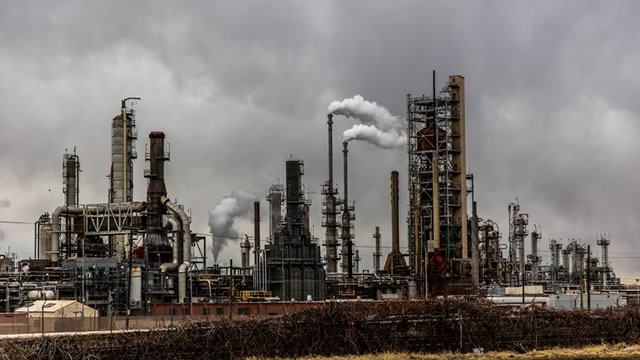
Middle East tensions threaten global oil supplies, potentially leading to shut-ins of up to 9.1 million barrels per day. Oil prices surged sharply, with Brent crude exceeding $121. Additionally, several countries, including Pakistan, are facing severe fuel shortages, raising concerns about critical supply shortages in the coming months.
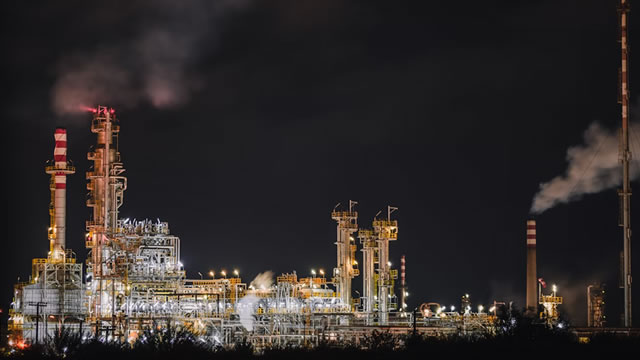
Qatar's shutdown of the world's largest LNG facility has disrupted global helium supply, threatening critical sectors such as semiconductor manufacturing, medical applications, and national defense technology. This disruption is directly linked to the ongoing conflict in the Middle East and its impact on energy facilities. Experts have warned that the petrochemical supply shock is affecting a range of industries in Asia, resulting in a 29% increase in costs of raw materials like PTA and Caprolactam. This impact also extends to textile and apparel production in India.
On March 31, the Global X Copper Miners ETF (COPX) surged by 7.92% to a price of 76.35. Reports include analyses on the demand for critical metals and the impact of inflation on markets in early 2025. The coverage also featured technical analysis from Ira Epstein regarding gold and other metals.
US gas prices surged nearly 25% in March, marking the largest monthly increase on record. Brent crude is trading near $102 a barrel, while WTI is around $95. JPMorgan warned that policy measures will have limited impact unless safe passage through the Strait of Hormuz is assured. On March 27, oil prices rose again above $110.
On March 16, the U.S. Export-Import Bank issued letters of interest for $4.2 billion to support Japan and South Korea's purchases of enriched uranium. $2.4 billion is allocated for Japanese utilities and $1.8 billion for South Korean utilities. This move aims to reduce reliance on Russian suppliers and secure a domestic nuclear fuel chain within the U.S. On March 17, Oklo announced that the U.S. Department of Energy approved its Nuclear Safety Design Agreement for its test reactor. On March 21, Amazon-backed X-energy filed for an IPO, capitalizing on rising interest in nuclear power due to increasing energy demand from AI.
The global gas crisis is escalating, with fuel prices surging by 11% on March 15. Amid this crisis, California is debating fuel rationing options. A dozen countries have already implemented fuel restrictions, mirroring the energy crisis playbook of the 1970s.
China's Hunan Nonferrous Metals shut down the Beaver Brook mine in Canada, the largest potential North American producer of antimony, in early 2023. Following Beijing's export controls, antimony prices surged from approximately $5,900 per tonne to over $50,000. Antimony is a critical mineral for defense industries, used in ammunition, night-vision goggles, and missile seekers.
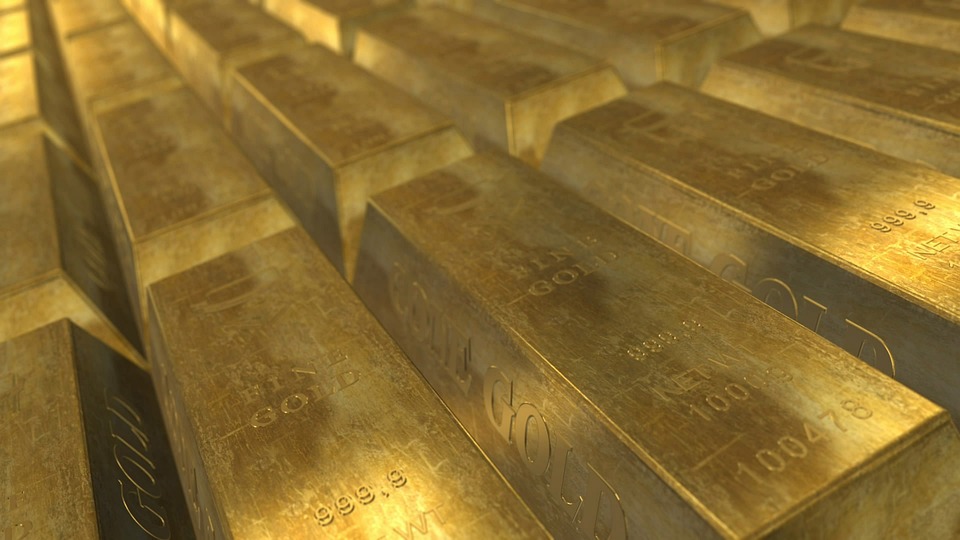
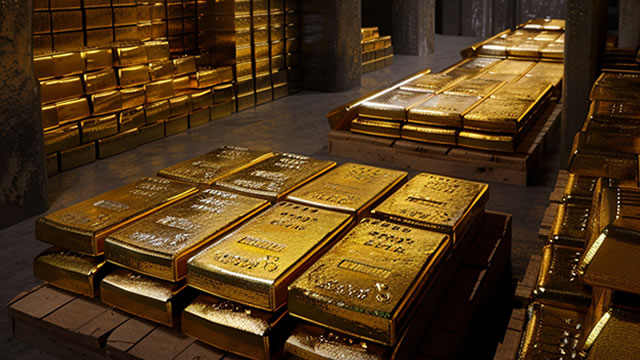
Gold prices surged to a record $5,100 per ounce on March 13, amid a slump in consumer sentiment and rising inflation fears. However, prices slid 3.3% on March 18, as the market anticipated a delay in rate cuts until 2027. By March 23, prices had dropped to $4,355.60, with increased demand for safe-haven assets due to geopolitical tensions. By the end of March, Wells Fargo reaffirmed its bullish outlook on gold, raising its price target to $6,100-$6,300 per ounce.
On March 13, U.S. Treasury Secretary Scott Bessent announced a temporary easing of sanctions on Russian oil until April 11, 2026, amid rising energy prices due to the war in Iran. Tensions escalated in the region following attacks on oil and gas facilities, causing oil prices to surge above $100 per barrel. On April 8, a two-week ceasefire between the U.S. and Iran was announced, leading to a drop in oil prices below $100 per barrel.
On March 11, QatarEnergy halted its LNG production, resulting in five consecutive days with no shipments. No LNG carriers have passed through the Strait of Hormuz since February 28, including vessels from the UAE. This shutdown represents the removal of 20% of the world's LNG exports from the market.
Gold prices (XAU/USD) have recorded their highest-ever weekly close, staying above the $5,100 mark. Fears of trade wars and geopolitical risks have driven strong demand for the precious metal. Additionally, a weaker US Dollar has supported the rise in gold prices, which reached $5,260 per ounce. Geopolitical tensions and uncertain trade policies remain key factors driving gold prices higher.
Very Large Crude Carrier (VLCC) rates have surged, reaching $170,000 per day, tripling since the start of 2026. This increase is driven by soaring demand from India and fears of a potential U.S. military action in Iran. Shipping rates on the key Middle East-to-China route have hit a six-year high, with VLCC charter rates reaching between $200,000 and $208,000 per day.
OPEC+ is considering an oil output increase of 137,000 barrels per day for April 2026, following a three-month pause in production increases. This move aims to prepare for peak summer demand and market share strategies for key members like Saudi Arabia. Amid geopolitical tensions, Saudi Arabia has started increasing oil output as a contingency plan in case of a U.S. attack on Iran, reinforcing its role as a reliable supplier.
Gold and silver prices have experienced significant fluctuations due to economic data and geopolitical tensions. Gold price rose to around $5,250 per ounce after previously suffering declines. Silver prices increased by 2.13% to near $86.50, driven by rising geopolitical risks in Iran. Traders are looking for strong support at the $83 level for silver, while the strength of the US Dollar is exerting downward pressure on gold prices.
Oil prices experienced significant volatility due to inventory changes and geopolitical concerns. On February 23, Brent crude surpassed $71 per barrel, influenced by developments in U.S.-Iran nuclear negotiations. As fears of supply disruptions rose, prices reached a seven-month high, prompting traders to take protective measures. On February 25, the U.S. Department of Energy reported a substantial increase in inventories, heightening concerns about oversupply.