Track the evolution of major financial and economic events
Financial markets are currently awaiting key US economic data to gauge the Federal Reserve's future policy path. The non-farm payrolls report is scheduled for release today, providing insights into the labor market's performance. This will be followed by Consumer Price Index (CPI) data next week to monitor inflation levels and their impact on Fed decisions.
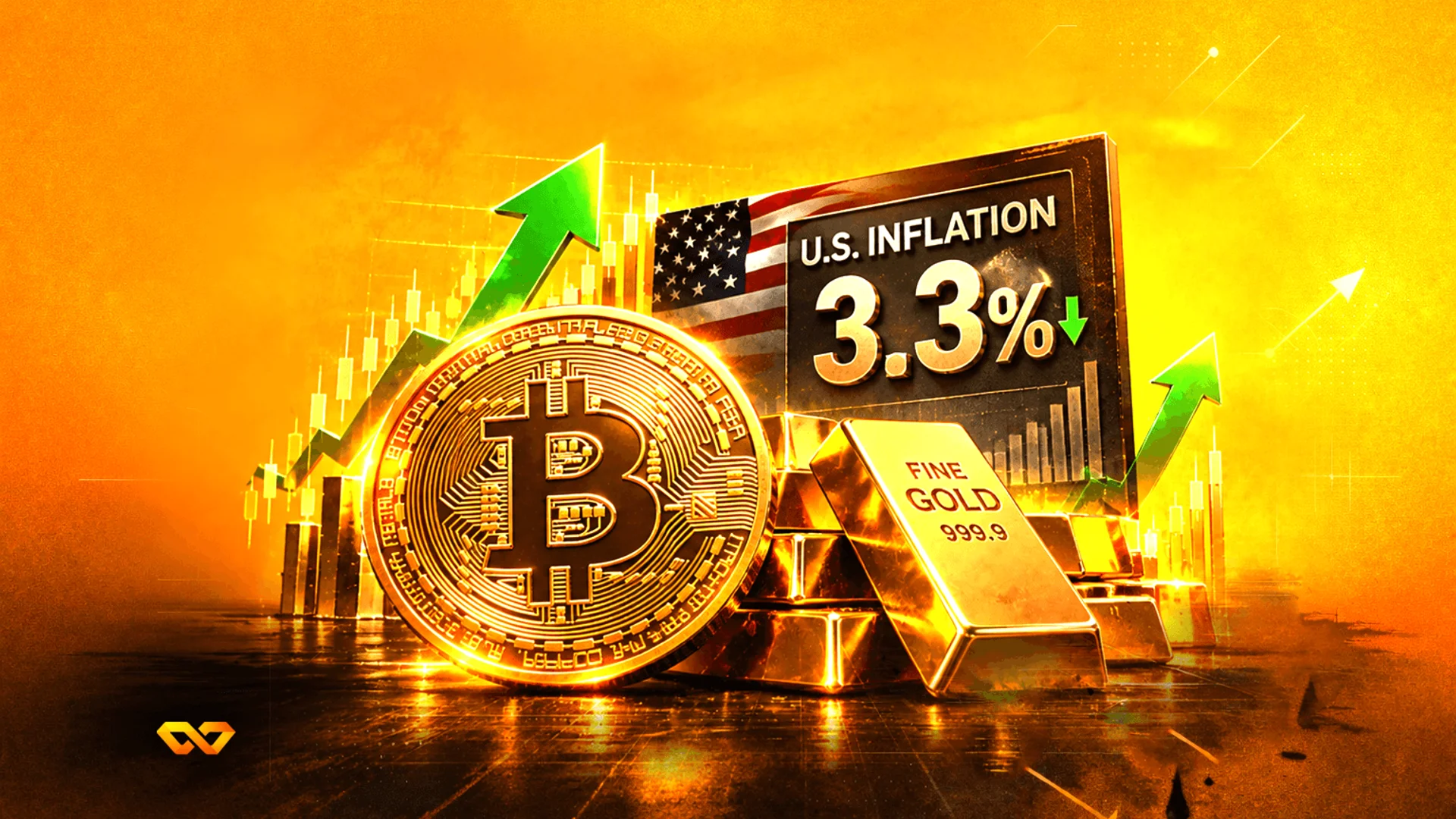
In July, the annual US PCE Price Index remained steady at 3.7%, slightly exceeding market expectations of 3.6%. Meanwhile, the annual core PCE inflation rate, which excludes food and energy, stayed unchanged at 3.3%. On a monthly basis, the PCE Price Index increased by 0.2% in July, following a 0.1% contraction in the previous month.
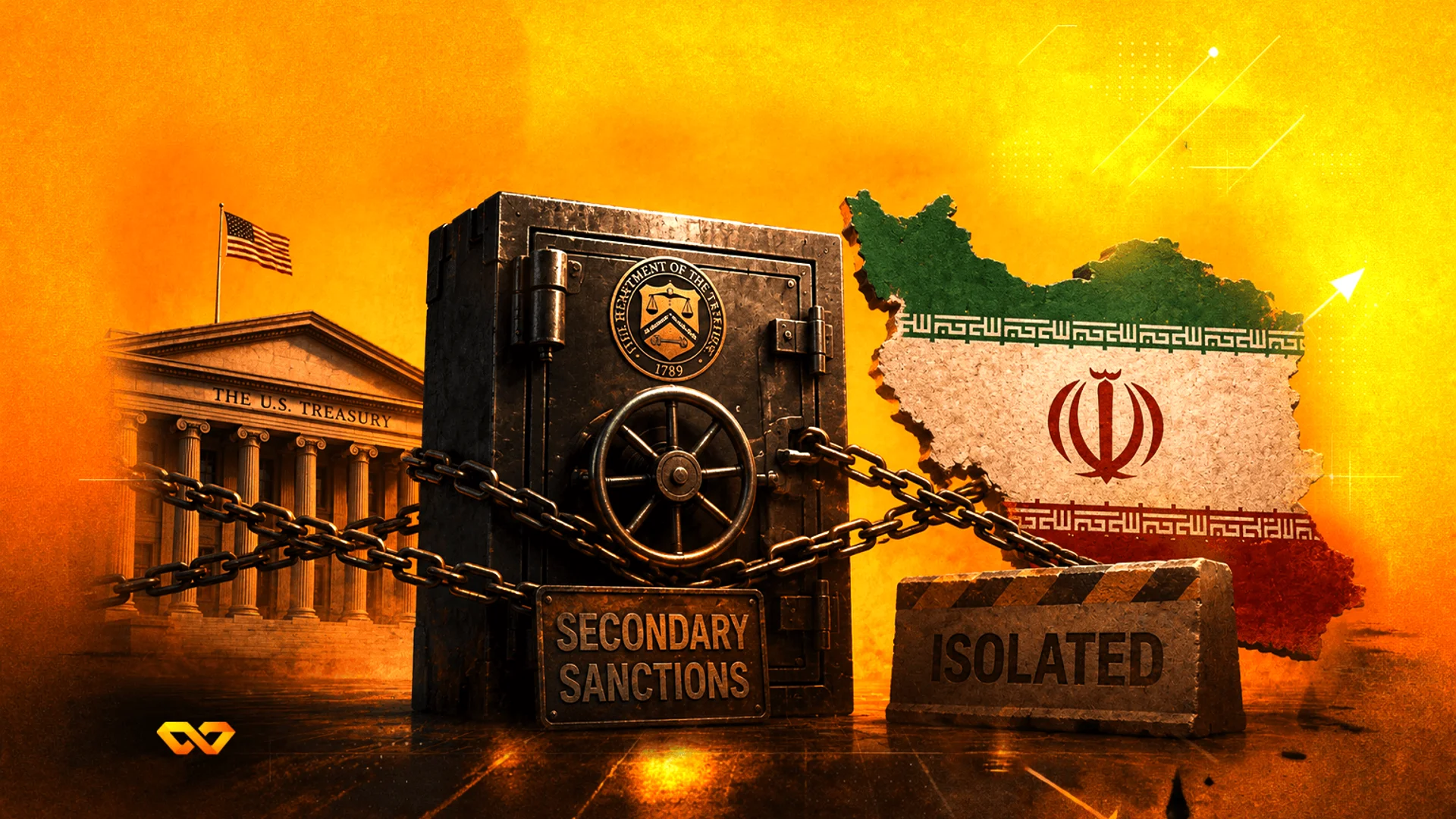
Gulf stock markets experienced a collective rise on August 23, driven by a surge in global oil prices. This rally followed growing market concerns regarding the potential imposition of new sanctions on the Iranian energy sector. On August 24, the US Treasury announced plans to broaden secondary sanctions to further sever Iranian economic ties.
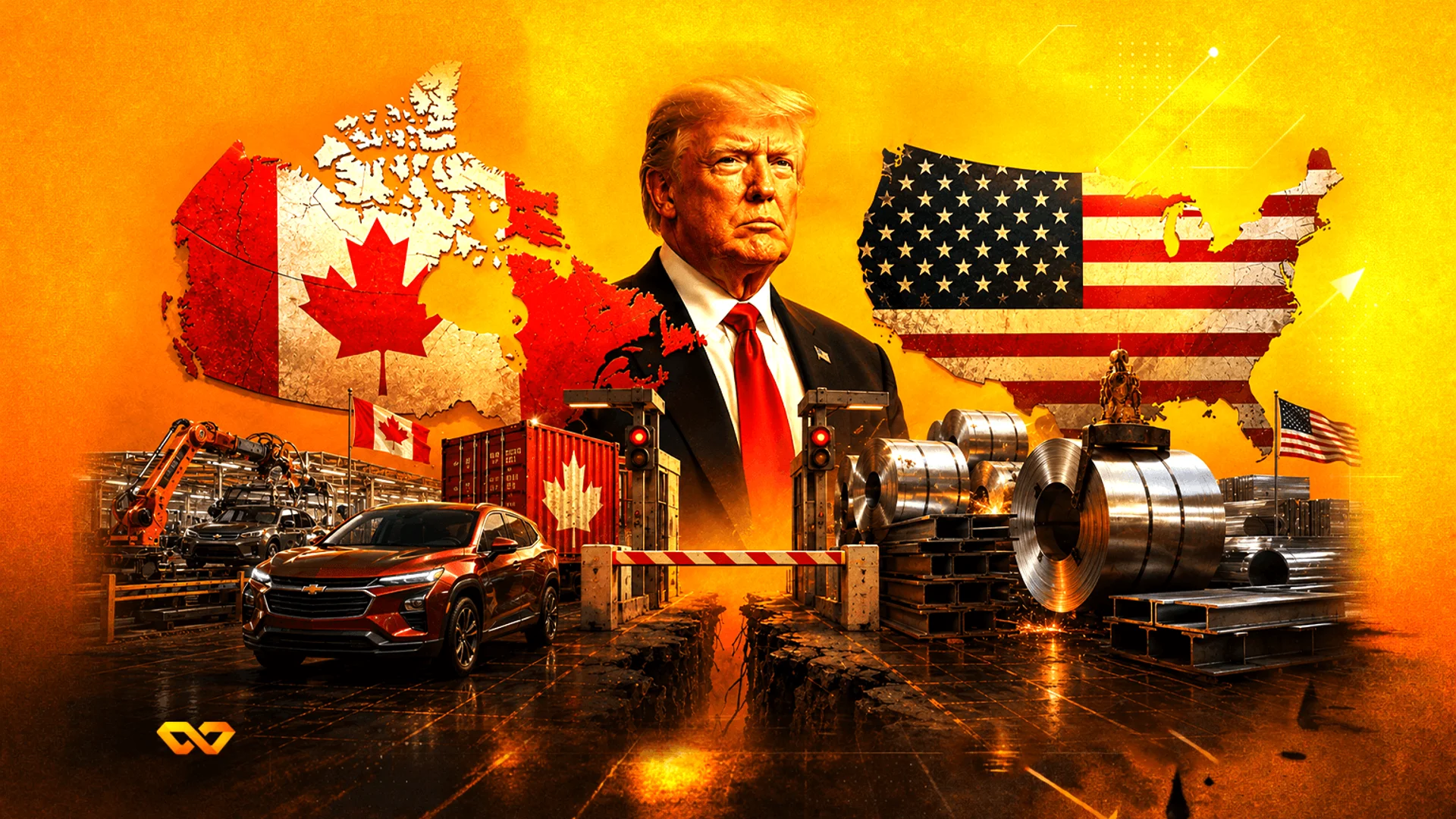
U.S. tariffs on Canadian imports officially entered into force on August 22. This action follows the collapse of trade negotiations that were aimed at avoiding a tariff escalation between the two nations. The talks were originally intended to prevent the implementation of new trade barriers. Consequently, the tariffs are now active as a result of the failed diplomatic efforts to reach an agreement.
On August 21, President Trump announced a temporary measure to allow up to 300,000 metric tons of ground beef imports without high tariffs. The initiative is intended to cool rising market prices by increasing the available supply of duty-free meat. This policy serves as a short-term intervention to reduce costs for consumers.
U.S. retail sales fell by 0.6% in July to $763.6 billion, signaling a cooling in consumer spending. This decline significantly missed the consensus forecast, which had anticipated a 0.1% increase. Following the data release on August 14, gold prices rallied to a session high of $4,387 per ounce.
The S&P 500 faces a pivotal week as corporate earnings and US consumer inflation data serve as the primary market catalysts. Geopolitical tensions, specifically the US-Iran conflict, are currently weighing on market outlooks for the coming period. Additionally, the consumer price index is expected to show a modest increase while remaining above the Federal Reserve's 2% target.
Financial markets are awaiting the July U.S. jobs report, with expectations for nonfarm payroll growth between 80,000 and 83,000 and a slight unemployment uptick to 4.3%. Concurrently, U.S. 10-year Treasury yields rose to 4.67% on solid data, while the Japanese Yen was impacted by Treasury interventions. Geopolitical tensions in the Strait of Hormuz also drove WTI crude oil prices up by 3.60% to $77.93 per barrel.
New Zealand's annual inflation rate for the second quarter reached 4.1%, exceeding market expectations and the central bank's targets. The jump in consumer prices was primarily driven by surging fuel costs. Consequently, fears have deepened that interest rates will need to rise significantly in the coming months to combat the accelerating inflation.
The UK economy exceeded estimates with 0.1% growth in May, bringing the three-month GDP growth to 0.7%. Meanwhile, strong U.S. retail sales and resilient jobless claims data boosted the U.S. Dollar Index (DXY). This positive economic data reinforces the Federal Reserve's cautious stance regarding interest rate cuts as markets monitor speeches from central bank officials.
U.S. national debt has surpassed 100% of the country's GDP for the first time since the World War II era, reaching a total of $39.4 trillion. The Congressional Budget Office projects that under current fiscal policies, the debt-to-GDP ratio will climb to 175% over the next 30 years. This milestone has triggered economic warnings regarding fiscal sustainability, while concurrent reports highlight concerns over the potential impact of AI on increasing wealth inequality.
US mortgage rates reached a near one-year high, with the average 30-year fixed rate climbing to 6.58% by July 23. This increase, fueled by inflation fears linked to rising oil prices, led to a 7% weekly drop in home purchase applications. Despite softer-than-expected inflation data released mid-month, rates remained consistently above 6.5%, marking a significant slump in mortgage demand compared to the previous year.
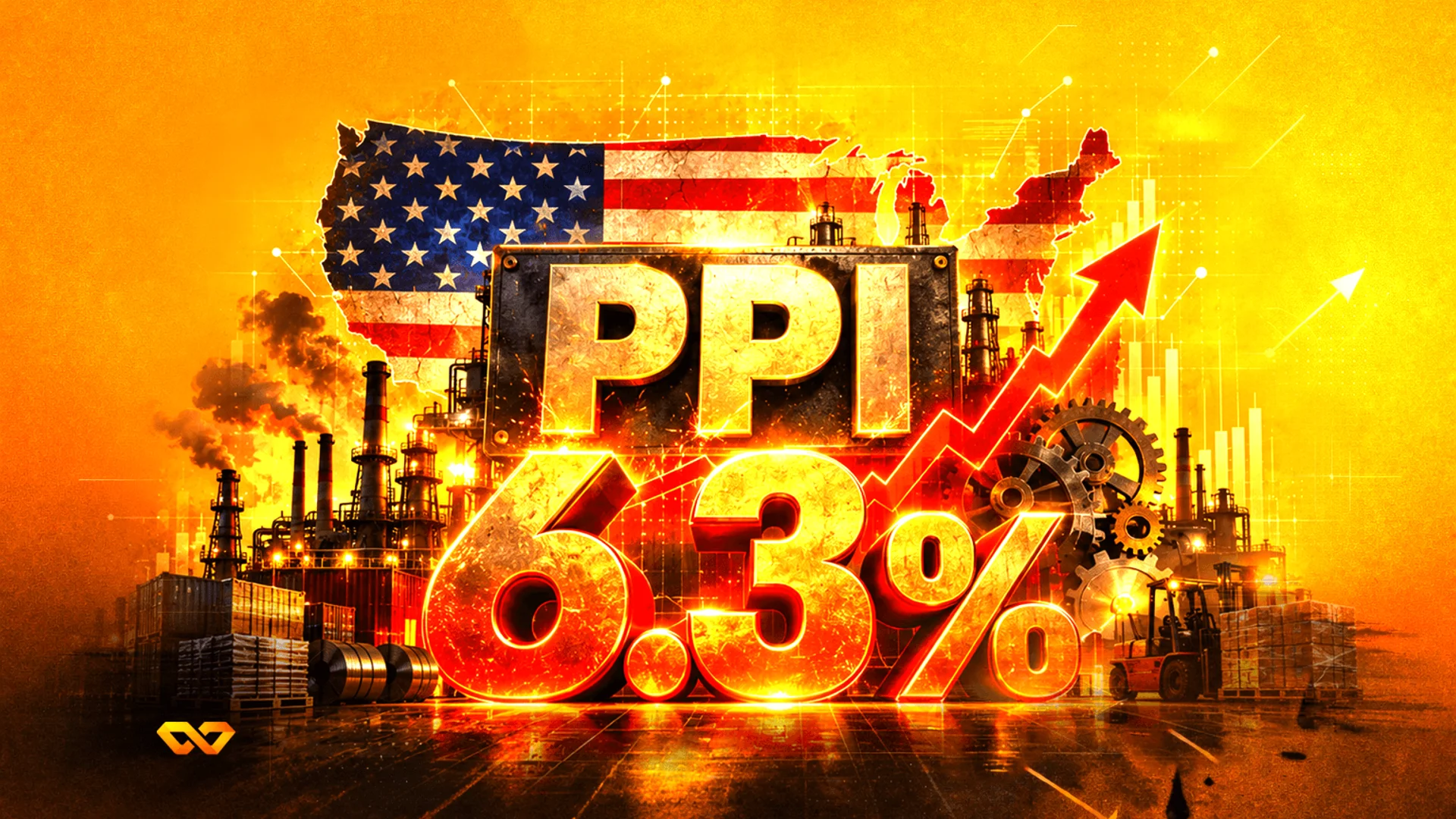
Financial markets focused on the release of the Producer Price Index (PPI) and crude oil inventory data on July 14 to assess inflation trends. On July 15, data revealed that the PPI for June declined by 0.3%. This result was lower than market expectations, which had anticipated zero growth for the period.
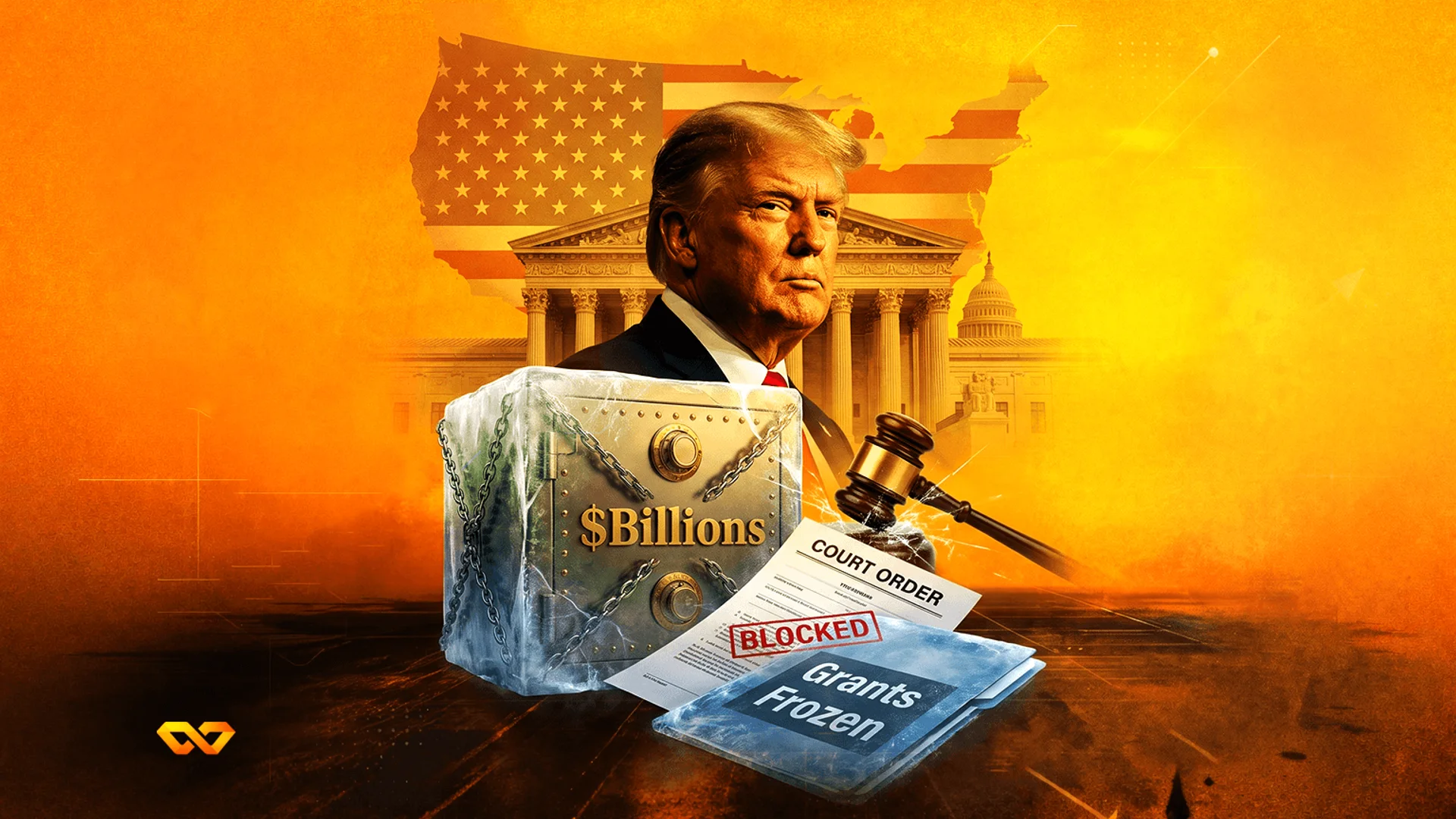
Trump's policies led to nearly $83 billion in cancellations and delays for clean energy, manufacturing, and EV projects. While a judge ruled against administration officials attempting to cancel billions in grants, critics argued these cuts held critical programs hostage to political interests. Additionally, Trump ordered a review of a judicial scientific reference manual, resulting in the federal judiciary withdrawing the climate science chapter due to allegations of political bias.
The European Commission unveiled an Electrification Action Plan targeting a 46% share of total energy consumption by 2040 to slash fossil fuel reliance. This shift is estimated to replace two-thirds of EU gas consumption and potentially save 200 billion euros on energy import bills. Meanwhile, the EU is considering delaying fines for methane emission violations following U.S. pressure, though energy companies continue to push for more comprehensive legislative rewrites regarding gas leaks.
US stock futures stabilized in July following President Trump's remarks regarding Iran, which eased geopolitical tensions. Market performance remained steady as concerns over interest rate hikes and regional conflicts diminished. Investors concluded the period by balancing ongoing geopolitical factors against upcoming earnings reports from major technology firms.
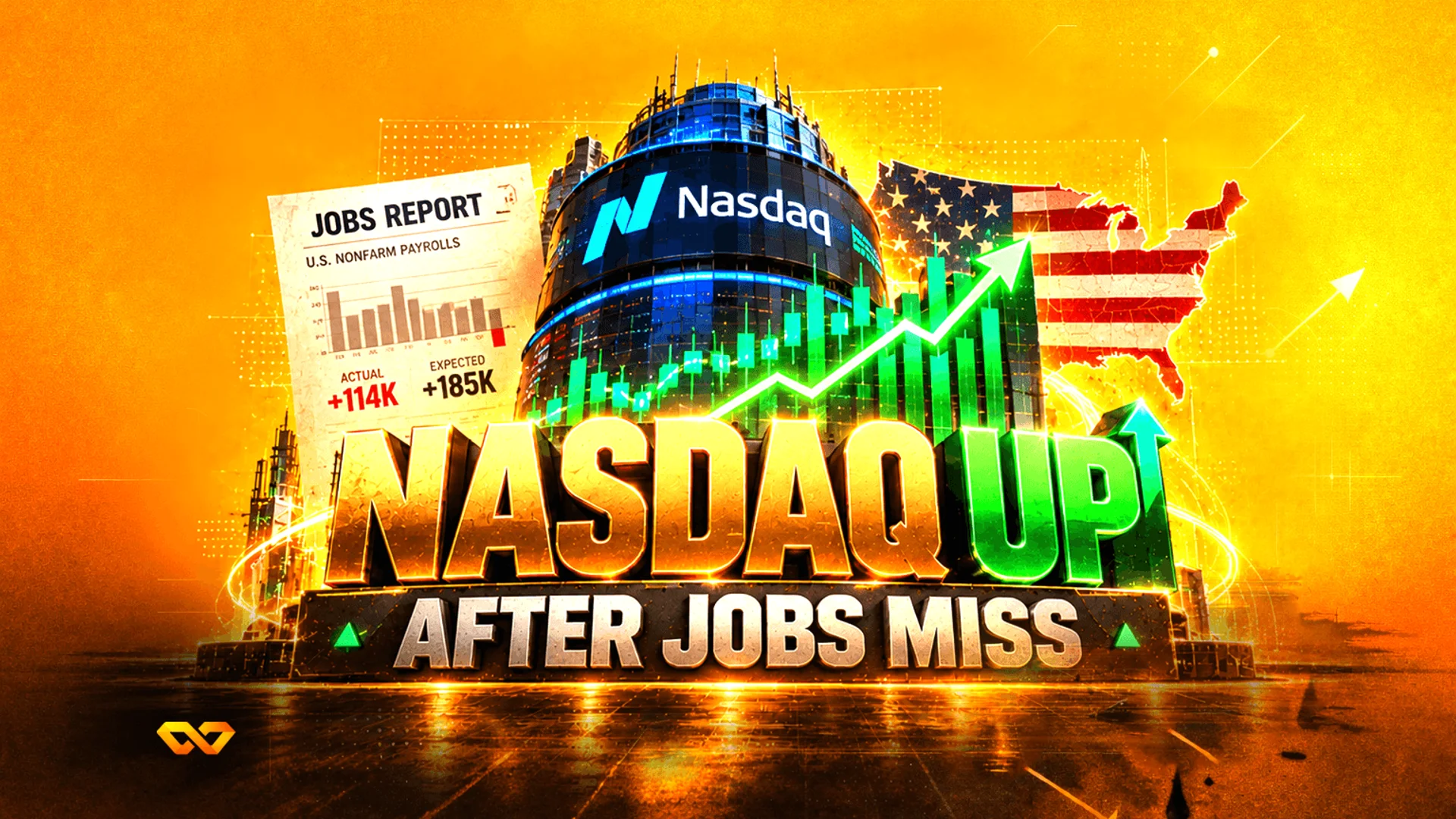
The Nasdaq rose 0.46% driven by a surge in technology and semiconductor shares after US initial jobless claims fell to 215,000, coming in lower than expected. While the consumer staples sector and the Dow Jones saw declines, investor sentiment improved, shifting the CNN Fear and Greed Index into the Neutral zone. US stocks continued their gains in the final hour of trading following a soft inflation reading.
US consumer inflation expectations surged to a three-year high in June, even as subsequent economic data indicated a cooling trend in inflation levels. The market experienced dense news flow, including hawkish FOMC minutes and geopolitical tensions, though major assets lacked decisive movements. In corporate news, Morgan Stanley reported its quarterly earnings, while IBM shares saw a notable decline during pre-market trading.
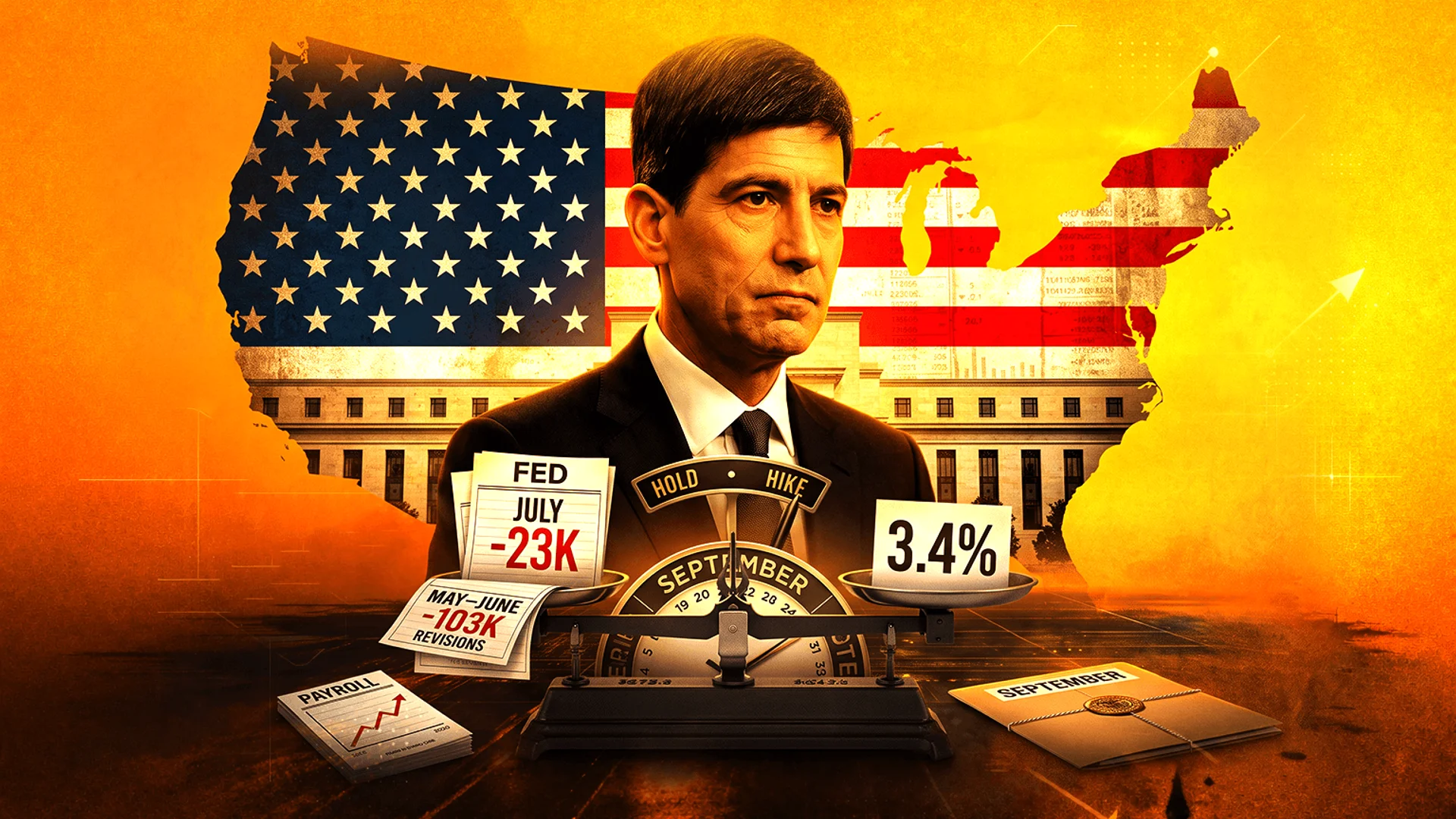
Bond markets are awaiting US wage and inflation data to assess the Federal Reserve's future monetary policy path. Super-core inflation has reached 3.9%, with the San Francisco Fed noting that recent increases have been driven by acyclical factors. Investors are also closely monitoring an upcoming testimony by Kevin Warsh for further economic signals.
Chinese authorities increased the offshore 'connect' scheme quota to promote international renminbi usage, leading investors to enter Chinese markets as they diverged from global trends. Subsequently, Chinese regulators began pressuring rating agencies to limit triple-A designations for higher-interest borrowers. These steps reflect a dual focus on boosting currency internationalization and tightening credit rating standards.
JPMorgan strategists warned of a potential summer market swoon, noting that AI momentum will face headwinds from broader macroeconomic drivers. The firm plans to target M&A deals valued under $500 million, specifically focusing on business successions among baby boomers. Additionally, CEO Jamie Dimon highlighted that geopolitical risks and persistent inflation remain significant threats despite the current resilience of the U.S. economy.
Federal Reserve working papers found that unauthorized immigration during the Biden administration increased U.S. home prices by 2.2% and rents by 1.4%. Research from the Dallas Fed further estimated that illegal immigrant flows accounted for 30% of home price growth and 20% of rent increases. Consequently, federal authorities issued new guidance to financial institutions regarding credit risks associated with borrowers lacking U.S. work authorization.
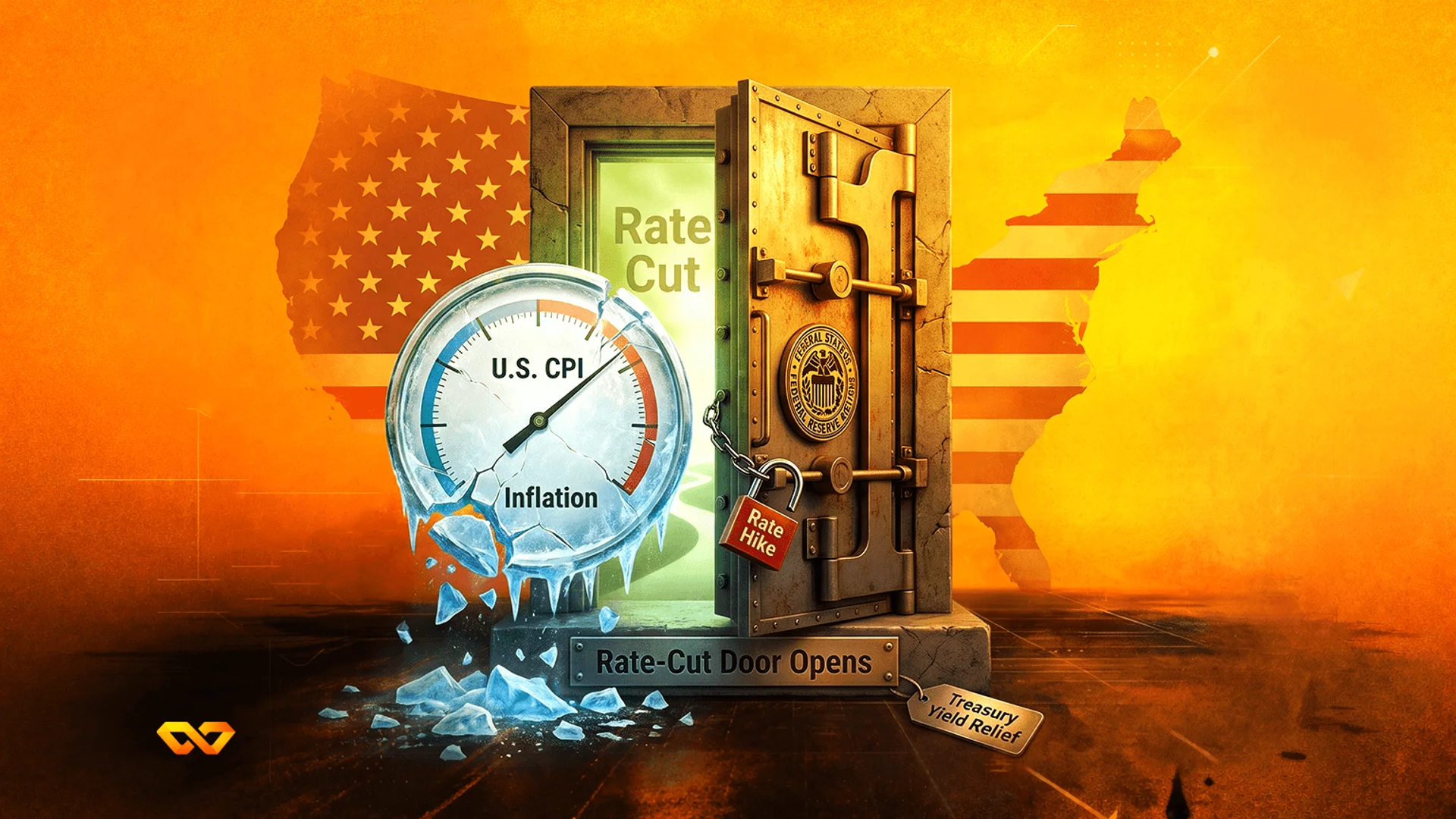
Global markets are awaiting US CPI data and interest rate decisions in Poland and the Czech Republic, with expectations that rates will remain on hold. Cooling US jobs data and sliding oil prices following the reopening of the Strait of Hormuz have led to an unwinding of Federal Reserve rate-hike bets. Consequently, the Fed is now expected to maintain current interest rates until summer 2027 due to slowing inflation.
The Eurozone economy stabilized in June as inflation rates declined, leading to a stabilization in bond yields and a drop in German 10-year government bond yields. By mid-July, European bond yields held steady near their highest levels in several weeks. These movements are primarily driven by investor concerns regarding persistent inflation pressures within the Eurozone.