Track the evolution of major financial and economic events
On April 5, the jobs report revealed a stunning hiring surge that shattered expectations. Experts warned that Monday could be a 'difficult day' for the market following this data. Concerns are growing over a private credit crisis looming over Wall Street.
On April 4, FCA chief Nikhil Rathi warned that pursuing court cases could disqualify consumers from a projected £9 billion car finance redress scheme. The regulator is gearing up for a standoff with claims management companies and law firms pushing for litigation. The issue relates to historical discretionary commission arrangements within the car finance sector.
On April 3, Trump proposed a historic $1.5 trillion surge in defense spending, the largest since World War II. Economist Steve Hanke described the move as a massive militarization that lacks a clear funding plan.
On April 2, 2025, President Trump introduced higher 'reciprocal' tariff rates for U.S. importers. The following day, companies and countries began altering their supply chains to reduce their trade tax bills. Entities are also striking deals with the White House to mitigate the impact of these tariffs.
U.S. mortgage rates have reached a 6-month high, dampening hopes for an affordability boost in the housing market. The increase in rates has been driven by geopolitical instability following the start of the Iran war in late February. However, bond buying by Freddie Mac and Fannie Mae is acting as a buffer, preventing mortgage rates from climbing even higher. Additionally, rate hike odds have surpassed 50% for the first time this cycle.
Mexico's annual inflation rose to 4.63% in the first half of March, surpassing analyst expectations. This marks a significant increase from the 4.13% recorded in late February. Renewed price pressures complicate the monetary policy outlook for Mexico's central bank (Banxico).
On March 24, Moody's downgraded the credit rating of a private credit fund managed by KKR and Future Standard to junk status. The primary reason for the downgrade is the growth of bad loans within the fund. There is also a trend of retail investors rushing to withdraw funds from other major private credit funds like Blackstone and Apollo.
Concerns about liquidity in private credit markets are rising amid redemption pressures. On March 19, an escalating debate began on whether the runs on private credit funds are a temporary hiccup or the start of a systemic panic. Analysts are also questioning the assumption that alternative asset classes are permanent, large-scale features of capital markets.
Projections indicate imminent cuts to Social Security benefits that will significantly impact current retirees. These cuts come at a critical time as many rely on these benefits to meet their financial needs.
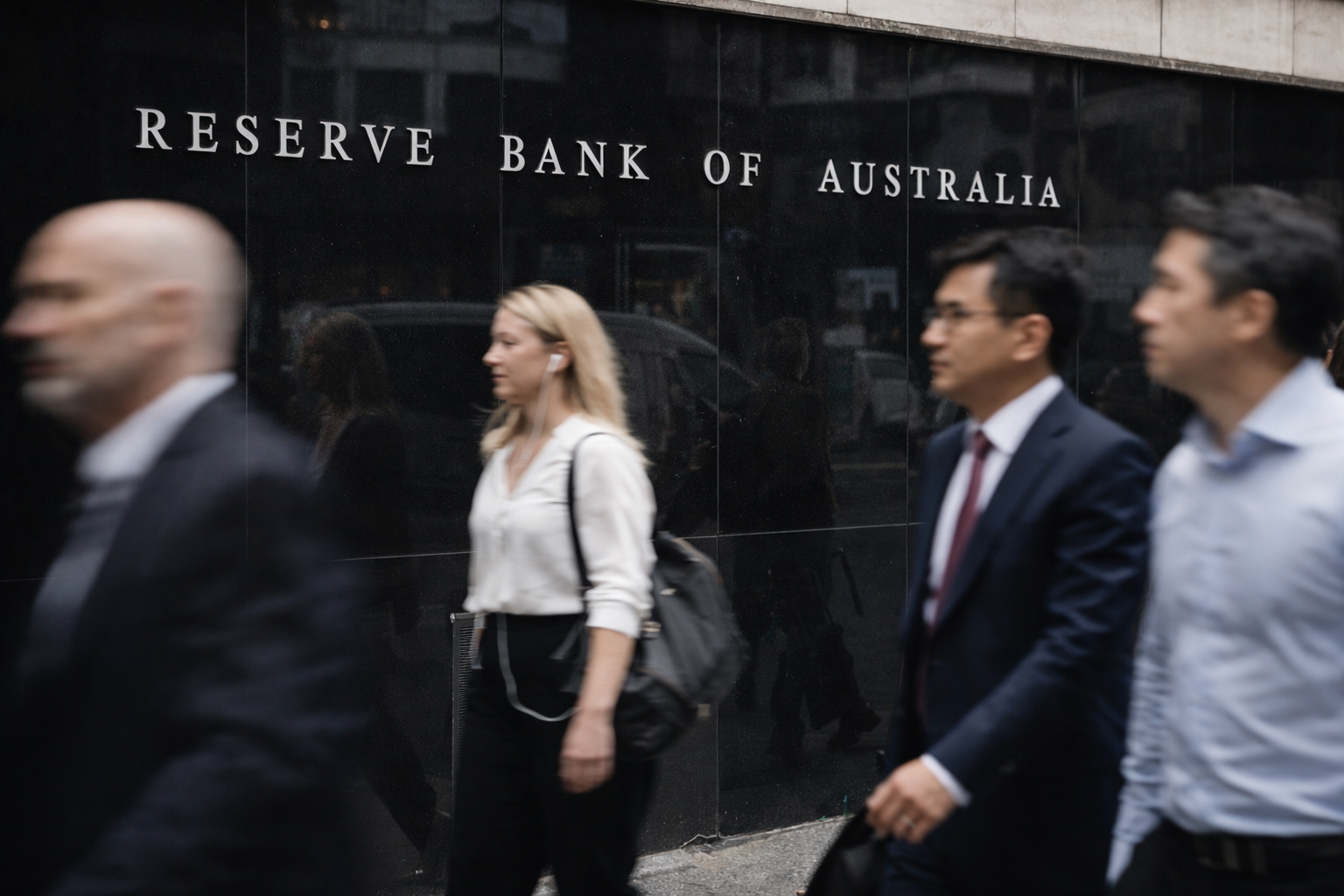
On March 17, the Reserve Bank of Australia raised its benchmark interest rate by 25 basis points to 4.1%, amid a surge in oil prices due to geopolitical tensions between the US and Iran. Samsung and Nvidia announced deeper collaboration in AI chip manufacturing. By March 23, the war between Iran, Israel, and the US had entered its fourth week, with the Iranian Parliament Speaker warning of potential attacks on financial institutions linked to the US Treasury.
Oil prices have surged sharply, surpassing $100 per barrel, threatening Poland's inflation outlook and hindering hopes for rate cuts. On March 23, the National Bank of Poland lowered borrowing costs but indicated that inflation might remain contained. As tensions rise in the Middle East, concerns grow about the impact of rising energy prices on the European economy.
US GDP growth for the fourth quarter was revised down to just 0.7%, while core inflation remained high at 3.1% in January. New home sales collapsed by 17.6% month-over-month, the largest drop since July 2013, with home prices falling 6.8% year-over-year. Expectations indicate that the central bank has not made the desired progress in reducing inflation as hoped.
Germany's industrial sector, particularly in Baden-Württemberg, is facing a structural collapse due to green transformation policies. There are concerns that the German economy is shifting towards a state-controlled command economy driven by subsidies. Fiscal pressures and an energy transition crisis are driving venture capital and growth financing abroad. In local elections, the Alternative for Germany (AfD) party made historic gains, significantly increasing its number of seats and becoming the second strongest party in Germany.
Morgan Stanley forecasts a major AI breakthrough by 2026, driven by scaling laws. The bank warns that most of the world is not yet prepared for the economic and technical implications of this breakthrough. Meanwhile, major companies like OpenAI and Nvidia continue their massive investments in AI, while firms like JPMorgan and HSBC face challenges due to AI-related fears and its impact on the job market.