
Brent Hits 6-Week High After U.S. Strikes on Iranian Oil Tankers
Key Facts
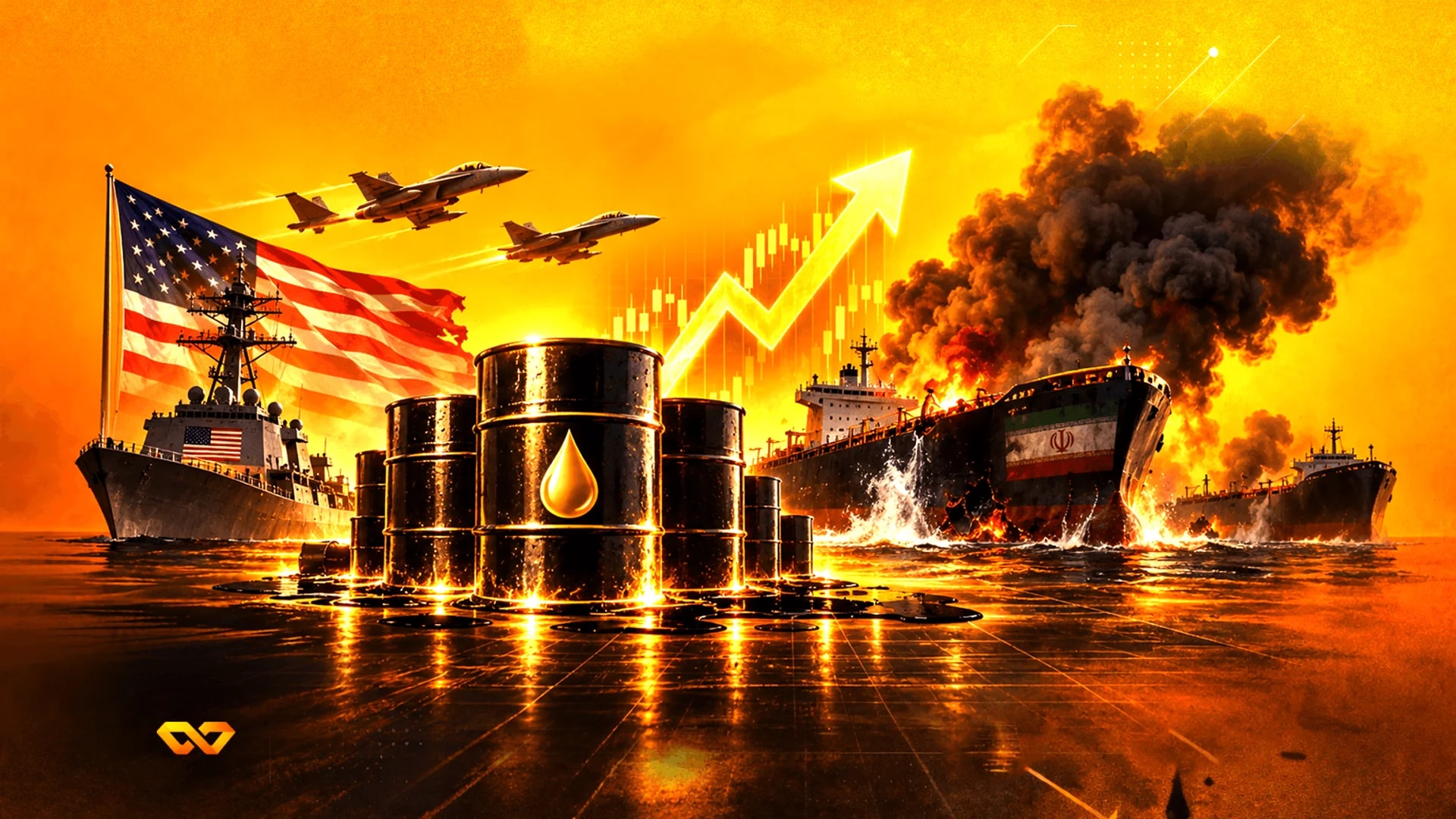
A military escalation between the United States and Iran pushed oil prices to their highest in 6 weeks, with Brent crude passing $97 per barrel. Separately, the Financial Times reported, citing unnamed sources, that an attack struck Saudi Aramco's Jazan facilities. Aramco did not confirm any damage, Reuters explicitly said it could not independently verify the report, and no responsible party has been identified.
These reports follow U.S. Central Command's announcement that it struck three Iranian oil tankers — M/T Downy, M/T Stark 1 and M/T Kylo — in response to ballistic missile attacks on U.S. warships. Attacks on Saudi facilities are not a new geographic widening of the conflict: the Associated Press documented strikes on Saudi targets in July and August 2026. OilPrice cited a TankerTrackers.com estimate of average Hormuz flows at 5.04 million barrels per day over the latest 28 days, with uncertainty from vessels switching off tracking equipment; this is an estimate rather than a comprehensive measurement of oil movements.
Alongside shipping developments, the U.S. Energy Information Administration schedules its weekly petroleum inventory report for September 10, 2026 at 12:00 noon U.S. Eastern time, following a Labor Day delay. Inventory data therefore remain among the releases due this week.
Latest Updates · 2
- Notable·
Update: Tensions have escalated further as Tehran threatened to target U.S. oil and gas companies operating in the region in retaliation for strikes on its tankers. Additionally, reports indicate Iranian plans to establish a new restricted zone and shipping corridor within the Strait of Hormuz in coordination with Oman, potentially imposing further constraints on international maritime traffic.
- Notable·
Update: In a move reflecting growing economic pressure, Iranian authorities intend to raise domestic petrol prices to manage fuel shortages triggered by the military conflict with the United States. This decision highlights the internal strain on Iran's energy sector as logistical challenges mount following strikes on regional maritime infrastructure.