
5,000 sorties from European bases during Iran war before April ceasefire
Key Facts
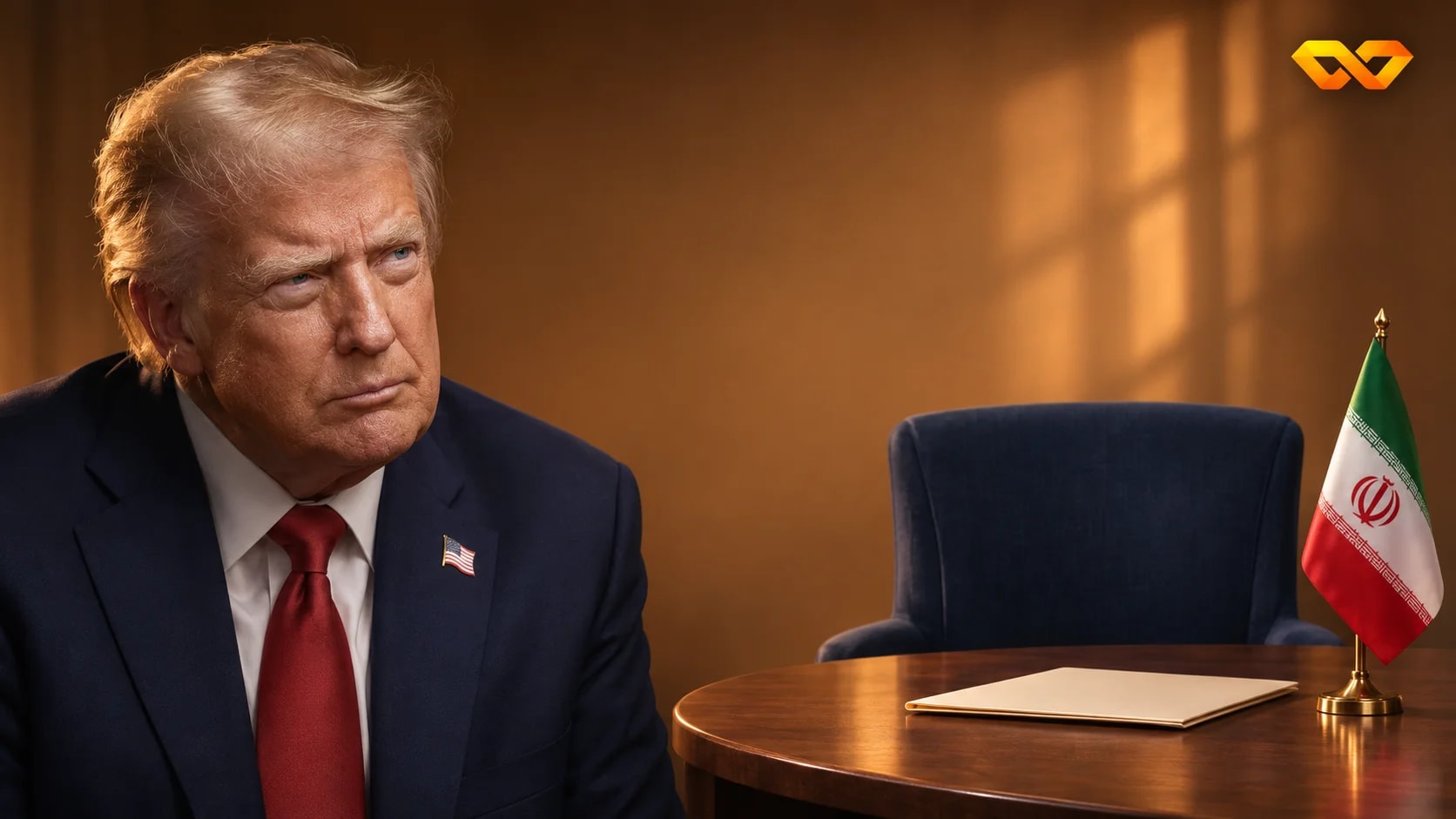
U.S. President Donald Trump said on July 8 that, in his view, the ceasefire with Iran had ended, in remarks made on the sidelines of the NATO summit in Ankara and published by The Portugal News on the same date. The comments came amid renewed tensions, after NATO Secretary-General Mark Rutte said U.S. strikes had followed attacks on ships in the preceding 24 hours. Rutte said Iran had violated the agreement, linking the strikes to those attacks. Trump said he no longer wanted to deal with Iranian leaders, calling them "scum" and "liars." In his latest remarks on November 20, Trump focused on the terms of a deal Washington would accept, keeping the end of fighting and negotiations at the forefront of developments between the two countries.
At his news conference in Ankara, Rutte placed the use of European bases within the broader context of Operation Epic Fury, saying the bases had seen up to 5,000 sorties between the end of February and mid-April, when the ceasefire began. The figure relates to that earlier period, not to the strikes that followed the ship attacks in July. Rutte said arrangements for using the bases were governed by bilateral agreements between the United States and European allies, and that NATO itself was not involved in the operation inside Iran. He thus distinguished between Washington's cooperation with European countries and an institutional role for the alliance in the operations. He added that weakening Iran's nuclear and missile capabilities was important for the Middle East, Europe and the world.
On November 20, Trump said Tehran wanted a deal to end hostilities, but rejected the formula he said it was seeking, calling for "a real deal, not a fake deal." At the news conference, he reiterated that Iran would not have a nuclear weapon. He used an expletive to describe how the Iranian government had treated its people over 51 years, according to the official White House transcript. The remarks focused on Washington's terms for any settlement and did not include a new announcement that the ceasefire had ended. They came as regional parties sought to contain the risk of renewed confrontations.
A Middle Eastern diplomat told the Associated Press that Arab Gulf states were concerned about the possibility of large-scale hostilities resuming and were working through existing channels of communication in pursuit of a lasting solution, even if only a partial one. Among the formulas the diplomat cited was removing restrictions on shipping through the Strait of Hormuz in exchange for limited sanctions relief for Iran. Such an arrangement could open the way to broader negotiations covering the nuclear program, while the proposal remained part of mediation efforts. The strait is particularly important to global energy trade, the agency said. The remarks did not indicate that a final agreement had been reached.
On November 21, Iranian Deputy Foreign Minister Kazem Gharibabadi said Tehran had remained in contact with Qatari mediators who visited Iran on Friday to explore "whether diplomacy could be given another chance." The contacts followed earlier rounds of Qatari mediation, while proposals remained under discussion by both sides. Reuters reported on November 2 that contacts between Iran and the United States had continued after Iranian talks with Qatari mediators ended with revised proposals but no breakthrough. Iranian Foreign Minister Abbas Araqchi said at the time that consultations through mediators were intensive and Tehran had submitted its terms and proposals, adding that progress depended on "political rationality in Washington." The course of the talks remains tied to how far the sides' positions converge on ending the fighting and the terms of any settlement.
Reuters reported that Iran's seven-step proposal remained the basis for talks in November, and that Tehran had shortened it so it could be implemented within two days. Its elements, according to the agency's account, included ending the U.S. blockade of Iranian ports, reopening the Strait of Hormuz, a U.S. exemption from restrictions on Iranian oil sales, lifting new sanctions, and then discussing other issues. Araqchi said that, under Iran's position, a return to nuclear-program talks could take place only after confirming that Tehran's conditions had been met. The formula sets out an order that begins with shipping and sanctions issues before moving on to the nuclear file. Nothing in the available facts confirms that Washington accepted these conditions or set a date for resuming nuclear negotiations.
Optimism about the possibility of advancing talks was reflected in the oil market on November 2, when prices fell as Qatari-Iranian contacts raised hopes of ending the war and stabilizing supplies from the Middle East. Brent crude settled down 7.63% at $104.77 a barrel, while West Texas Intermediate fell 7.36% to $96.46. The decline came after Brent ended October at its highest level in six months, amid concerns that the conflict could escalate after the U.S. midterm elections. By contrast, Sultan Al Jaber, chief executive of ADNOC, said global oil inventories had been depleted by about one billion barrels since the war disrupted shipping through the Strait of Hormuz. The figures underscore the sensitivity of energy markets to the course of the war and mediation as talks continue.