
Oil Surges Above $107 After Trump Rejects Iranian Peace Proposal
Key Facts
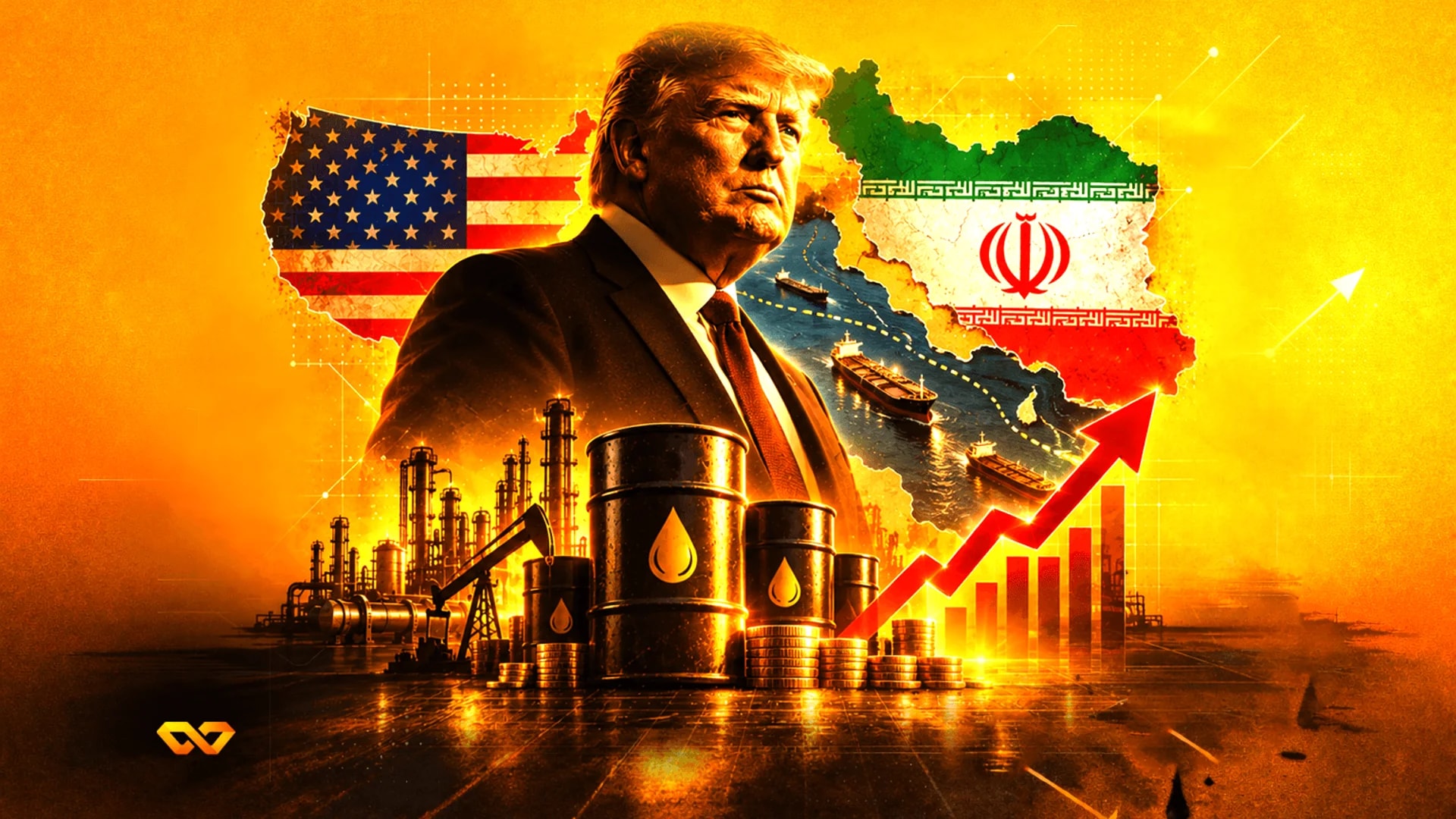
Oil prices surged to trade above $107 per barrel following President Donald Trump's rejection of an Iranian peace proposal. The price action comes amid growing expectations that the United States may resume military strikes after the upcoming midterm elections.
The rejection of the proposal regarding the Strait of Hormuz has reignited geopolitical concerns across global energy markets. This escalation follows a period of anticipation for diplomatic outcomes, with markets now pivoting to assess the impact of potential military action on crude supplies through critical waterways.
Latest Updates · 5
- Notable·
Update: The United States and China announced plans on September 28, 2026, to reduce mutual tariffs. This agreement comes amid escalating geopolitical tensions involving Iran.
- Major·
Update: The US and China detailed a plan on September 28, 2026, to cut tariffs on $30 billion of imports from each country. The agreement follows through on outcomes established during the recent summit between President Donald Trump and President Xi Jinping.
- Notable·
Update: The US rejection of the Iranian proposal impacted the bond market, pushing yields higher on September 28, 2026. This rise in bond yields occurred alongside the continued climb in oil prices as concerns persisted over the safety of navigation in the Strait of Hormuz.
- Notable·
Update: The impact of the US decision spread to global markets, with European equities and technology shares declining on September 28, 2026. The downturn was driven by heightened concerns over how tensions in the Strait of Hormuz might affect global supply chains and energy costs.
- Notable·
Update: US stock futures declined on September 28, 2026, amid reports that OpenAI has halted training for its AI models. This technical development, alongside the Iran-related geopolitical tensions, contributed to increased selling pressure on major equity indices.