
Brent Rallies as Renewed American-Iranian Attacks Deepen Supply Risks
Key Facts
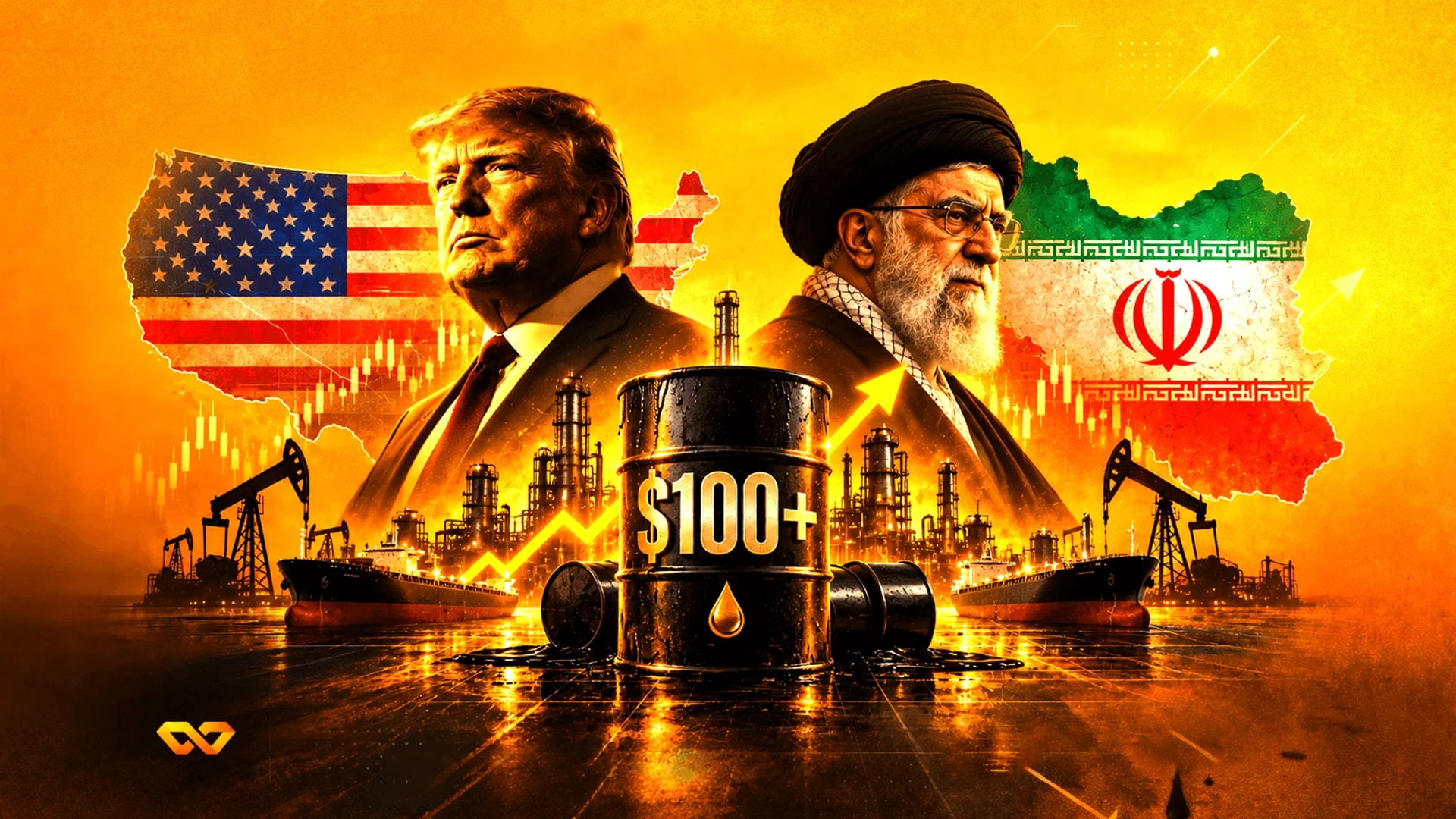
Front-month Brent crude futures settled 3.4% higher at $101.21 per barrel on September 9, 2026, after reaching $101.58, their highest close since May 22 as the conflict between the United States and Iran escalated.
On September 10, 2026, Brent extended its rise by 5.9% to above $105 per barrel, while benchmark American crude gained 6.1% and crossed $100 for the first time since before the end of May. The gains showed that the supply-risk premium had spread across the crude market.
The rally followed a new wave of attacks on shipping. U.S. Central Command said it destroyed 5 Iranian oil tankers on September 8 after the Islamic Revolutionary Guard Corps targeted an American warship with missiles twice in 2 days. On September 9, Iran said it had attacked 10 ships near the Strait of Hormuz, according to Reuters.
The market's sensitivity reflects the Strait of Hormuz's role in global supply. Before the war, the waterway handled about 20% of worldwide oil and gas supplies, and traffic remained far below prewar levels. An International Monetary Fund staff analysis in July estimated that the strait's effective closure had removed about 20 million barrels per day of crude and refined products from their normal routes.
The market absorbed the initial shock through a prewar supply surplus of about 2 million barrels per day, an increase of nearly 2 million barrels per day in non-Gulf production versus 2025, and inventory drawdowns. The International Monetary Fund staff analysis estimated a market deficit of about 4 million barrels per day from March through May, met almost entirely by drawing down stocks.
EIA data reinforce the picture of a tight market. The agency estimated that global inventories had fallen by about 400 million barrels since the start of 2026 and forecast average draws of 3.0 million barrels per day in quarter 3 and 1.7 million barrels per day in quarter 4. It projected Brent to average about $90 in the second half of 2026, but noted that its forecast inputs were finalized on September 3 and exclude subsequent events.
Persistently high oil prices raise fuel, transportation and production costs, extending the shock into inflation and economic activity. On managed supply, 7 OPEC+ countries decided on September 6, 2026, to keep their October 2026 production requirements at September levels and scheduled their next meeting for October 4, 2026. Hormuz traffic, the pace of supply restoration, inventory trends and producer decisions therefore remain the principal signals to watch.
Latest Updates · 2
- Notable·
Update: Oil prices surged further following reports of a sharp decline in Saudi Arabian production, intensifying global supply shortage concerns. Additionally, escalating tensions in the Red Sea region have heightened geopolitical risk premiums, compounding the existing pressures observed in the Strait of Hormuz.
- Notable·
Update: In a development reflecting the crisis's expansion into gas markets, reports indicate a Qatari state-owned company is seeking to purchase US liquefied natural gas (LNG). This strategic move aims to secure supplies amid disruptions caused by the escalating US-Iran tensions, highlighting a significant shift in regional energy flows.