
Iraq Probes Strike on New Andros Carrying About 2,000,000 Barrels; No Spill
Key Facts
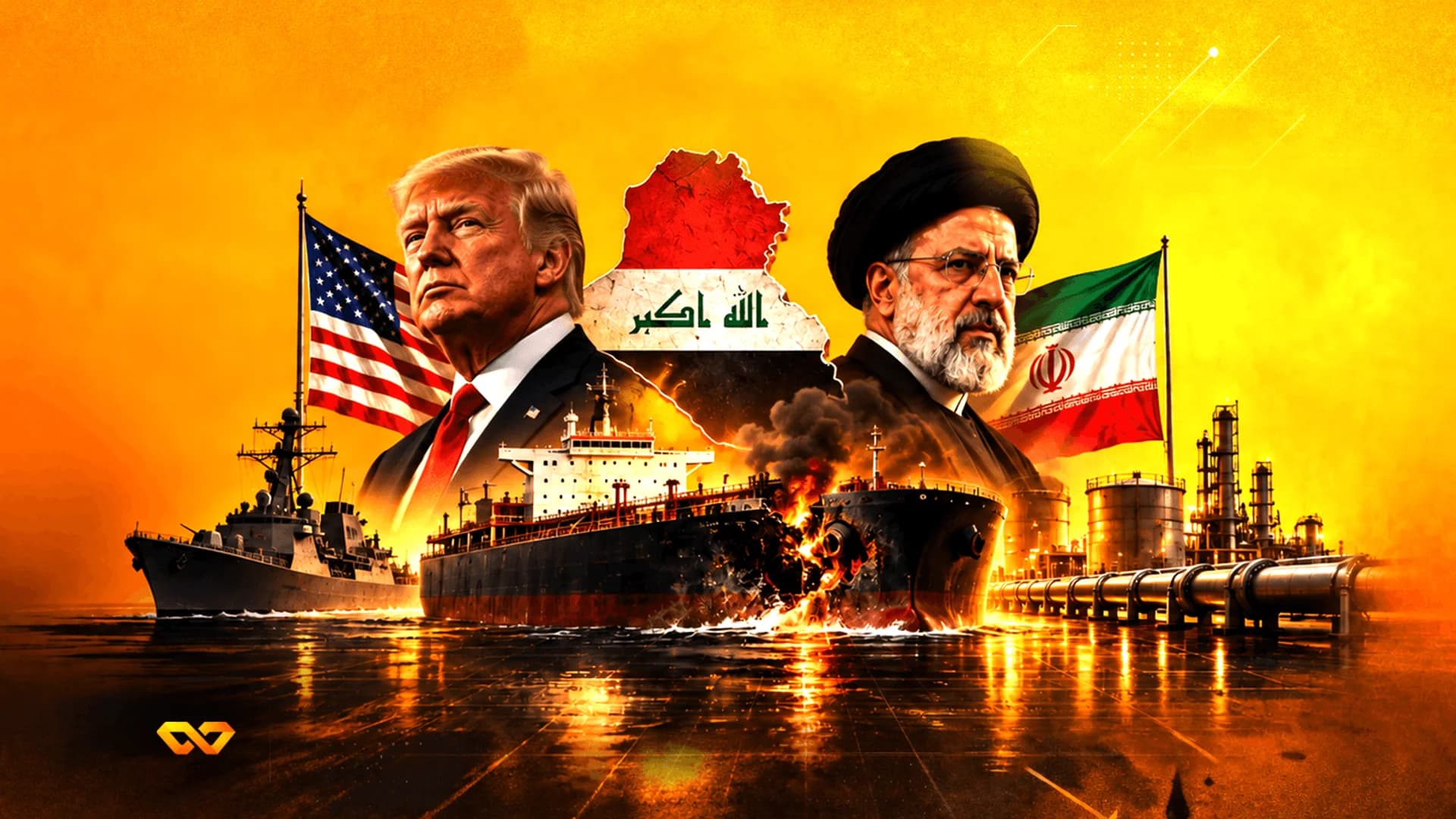
Iraq's transport and oil ministries said a fuel-oil tanker was struck by an unknown source inside Iraqi territorial waters on September 9. Damage was limited to the vessel's hull, with no crew injuries or cargo leakage, and authorities opened an investigation into the source and cause.
Reuters cited Iraqi port officials as identifying the vessel as New Andros, a Panama-flagged tanker carrying about 2,000,000 barrels of Iraqi fuel oil. The officials said a fire broke out after it was struck at around 6:00 a.m. before rescue boats extinguished the blaze. No injuries were reported among the 22 crew members.
The Transport Ministry placed the strike at 5:30 a.m., compared with the port officials' estimate of around 6:00 a.m. It said authorities isolated the vessel and placed it under observation while monitoring the surrounding area for leakage or risks to navigation and the marine environment.
The government statements did not identify the weapon or responsible party. Although port officials told Reuters that a drone struck the tanker, the transport and oil ministries described the source as unknown. The available evidence therefore does not establish that the United States or Iran carried out the strike or that it was retaliatory action in their confrontation.
Separately, United Kingdom Maritime Trade Operations (UKMTO) said, according to Reuters, that it received reports of several merchant vessels being subjected to disabling fire in the northern Gulf and Gulf of Oman during regional military activity. It could not then confirm casualties or environmental impact. The reports establish broader shipping risk but not a connection to New Andros.
The incident occurred during a broader escalation attributed to both sides. United States Central Command said it destroyed 5 Iranian crude-oil tankers on September 8 after what it described as Revolutionary Guard attempts to strike an American warship. On September 9, Iran said it attacked 10 ships near the Strait of Hormuz following the American operation, according to Reuters.
Data from the United States Energy Information Administration explain the market's sensitivity to maritime incidents. Oil flows through the Strait of Hormuz averaged 4,900,000 barrels per day in quarter 2 of 2026, compared with 21,600,000 barrels per day in quarter 4 of 2025. The agency also assessed production shut-ins at about 6,700,000 barrels per day in August and assumed Middle East flows would remain constrained during quarter 4 of 2026.
The next development will be the Iraqi investigation's findings on the source and cause, along with assessments of the tanker's hull, handling of its cargo and any new operating restrictions. Until evidence identifies the responsible party, the incident adds maritime and energy risk but does not prove a new strike in the confrontation between the United States and Iran.