
Middle East Conflict Widens as Iran Retaliates Against Bases in UAE and Jordan
Key Facts
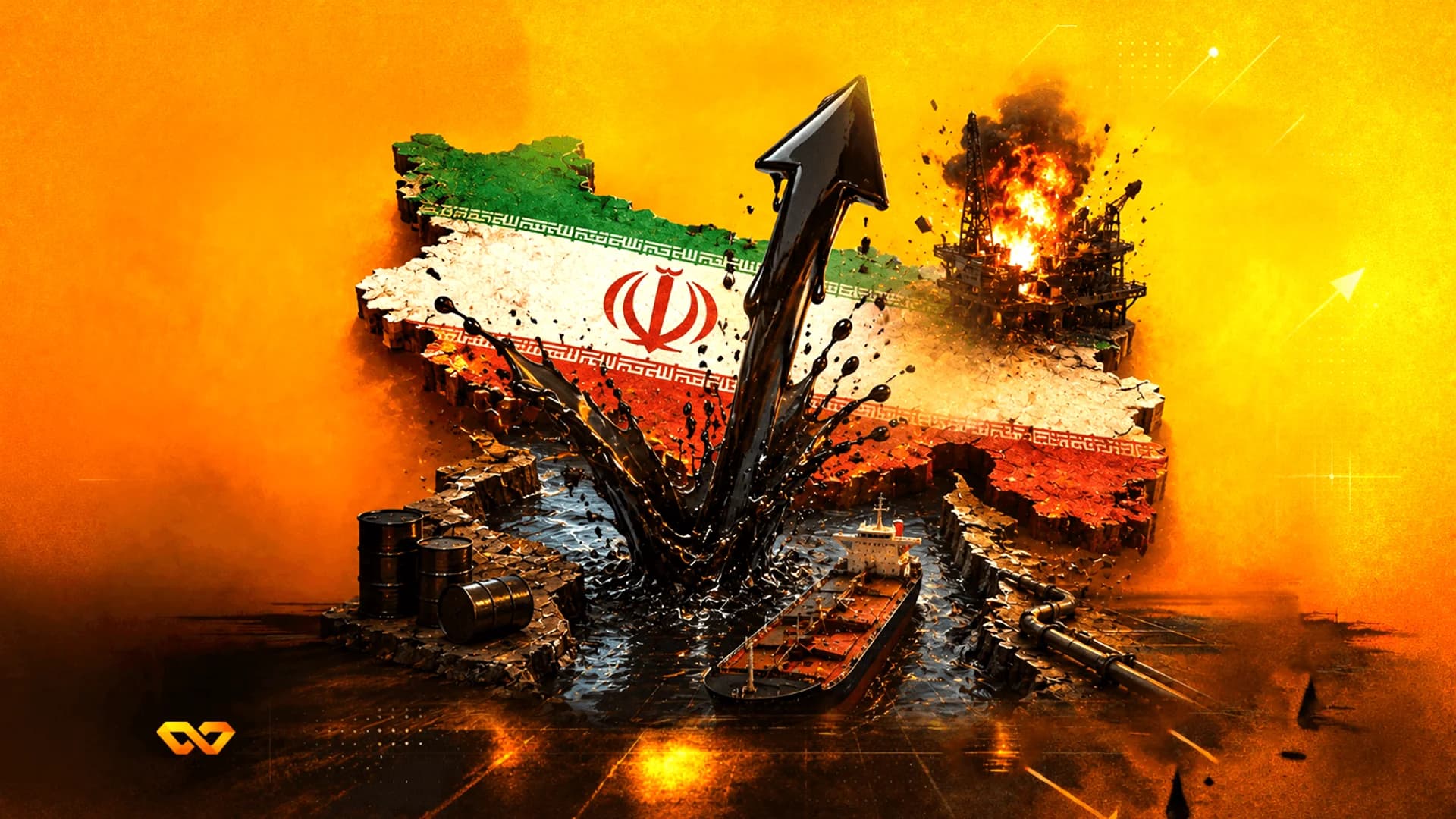
In a major escalation threatening to pull the region into a broader conflict, Iran announced retaliatory strikes against military facilities in the UAE and Jordan following U.S. attacks on Larak Island. According to reports, the Iranian army targeted Al Minhad Air Base in the UAE with drones, while the IRGC confirmed strikes against two U.S. bases in Jordan. This development marks a critical shift in the confrontation, moving from localized engagements in the Strait of Hormuz to direct attacks on regional infrastructure and U.S. allies.
These reciprocal attacks place global energy security at significant risk as concerns mount over supply disruptions through the Strait of Hormuz and surrounding maritime routes. Per market data, oil prices had already jumped more than 2%, settling above the $90 threshold for Brent crude following the initial U.S. strikes. With the conflict's geographic scope widening to include multiple regional actors, analysts anticipate sustained buying pressure as geopolitical risk premiums reach multi-year highs.
Brent crude sat above the $90 level at close August 30, 2026, and is likely to test higher resistance levels as markets react to the latest Iranian retaliation. Investors should closely monitor for further military responses from Washington or its regional allies, alongside U.S. crude inventory data and rising maritime insurance costs. Official statements from the Pentagon will be crucial in assessing damage to the targeted bases and the subsequent impact on regional stability.
Latest Updates · 7
- Notable·
Update: UAE authorities announced the interception of an Iranian drone over its territorial waters, vowing a decisive response to this breach of sovereignty. Meanwhile, President Donald Trump stated he is in no hurry to negotiate with Tehran, further reinforcing expectations of sustained military and diplomatic tension in the region.
- Notable·
Update: Brent crude prices surged by more than 3% following additional U.S. strikes targeting Iranian rocket launchers near the Strait of Hormuz. This tactical escalation further intensifies price pressures, coinciding with U.S. retail gasoline prices averaging over $4 daily throughout August 2026 for the first time.
- Notable·
Update: Concerns are mounting as depleted U.S. oil reserves lose their effectiveness as a strategic buffer against price shocks while the conflict persists. The diminishing capacity of the Strategic Petroleum Reserve (SPR) leaves global markets increasingly vulnerable to sharp volatility should regional supply disruptions escalate further.
- Major·
Update: Geopolitical tensions escalated sharply after U.S. President Donald Trump threatened to destroy Iran's Kharg Island, the nation's primary oil export hub. This direct threat to energy infrastructure marks a significant shift in U.S. rhetoric, heightening expectations for a surge in oil risk premiums as global supply centers are now directly in the line of fire.
- Notable·
Update: These geopolitical developments have directly impacted equity markets, with energy stocks led by Chevron rising alongside climbing oil prices. Meanwhile, the technology sector showed mixed performance, as Intel shares gained while software names like ServiceNow faced downward pressure.
- Notable·
Update: The geopolitical escalation has spilled over into global financial markets, with cryptocurrencies showing notable resilience as Bitcoin BTC held steady near the $78,000 level at close August 31, 2026. This stability occurred while equity markets faced clear selling pressure, suggesting a shift by some traders toward alternative assets to hedge against the risks of regional conflict.
- Notable·
Update: Additional details reveal that the U.S. strikes specifically targeted rocket launchers utilized to deploy sea mines in the Strait of Hormuz. This action follows the completion of a U.S. military operation to clear international shipping lanes of mines last week, clarifying the specific nature of the threats previously disrupting maritime traffic.