
US Tariffs on Canada Take Effect Following Collapse of Trade Talks
Key Facts
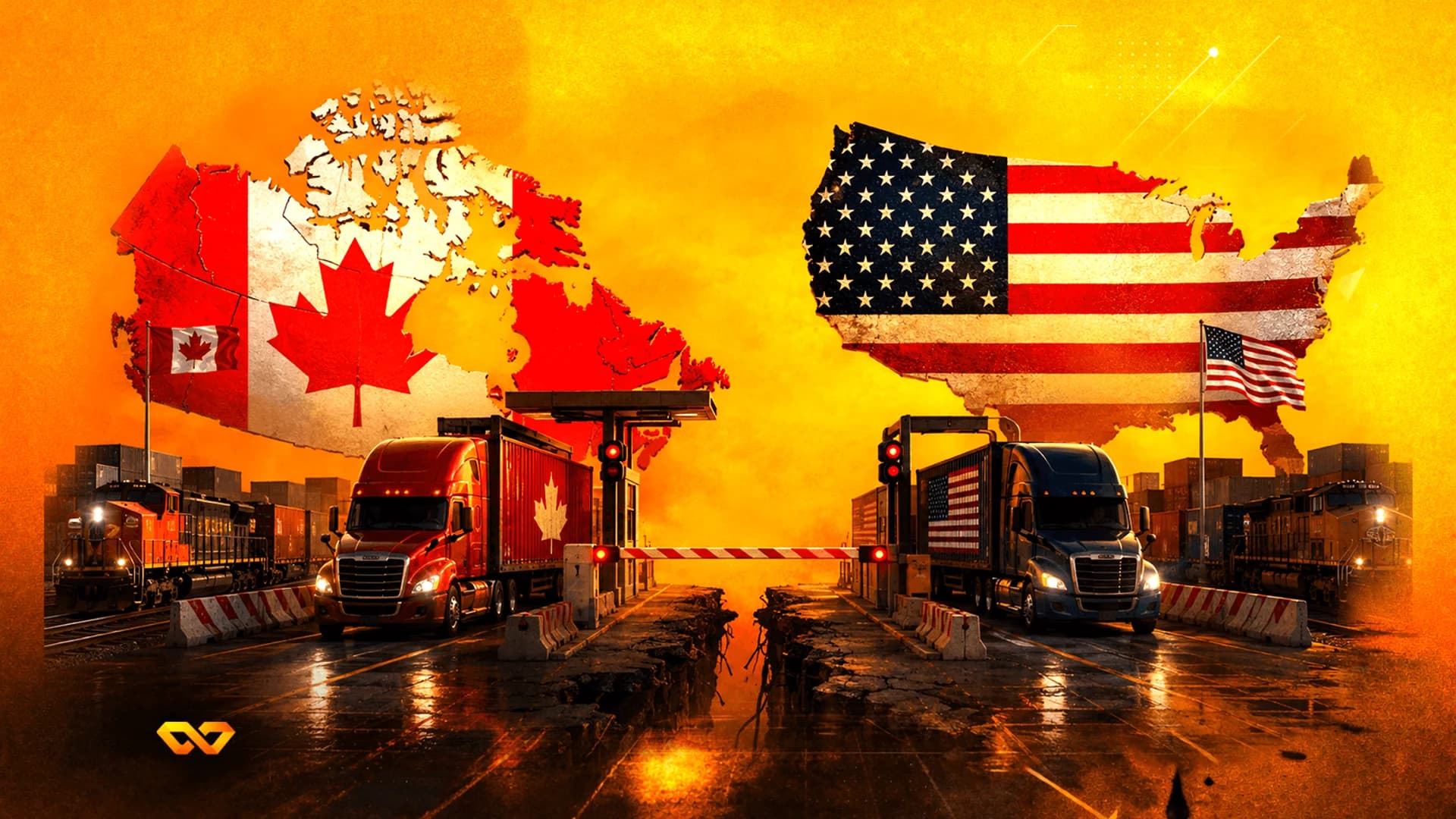
In a move reflecting escalating North American trade tensions, US tariffs on Canadian imports have officially entered into force. The implementation follows the collapse of trade negotiations that were previously aimed at avoiding a tariff escalation. According to reports, the failure to reach a final agreement on the auto and metal sectors has reversed previous market optimism regarding a tentative deal.
These developments occur at a sensitive time for the Canadian economy, as market data suggests potential pressure on cross-border industrial sectors. Per recent economic data, Canada reported a year-over-year inflation rate of 3% on August 17, 2026, exceeding the 2.9% forecast. The breakdown in talks adds significant uncertainty to industrial supply chains that are highly integrated between the two nations.
Traders should monitor official responses from Ottawa and the subsequent impact on trade flows in the coming days. Notably, Canada's housing starts data from August 18, 2026, showed a decline to 229.1k, highlighting a cautious economic backdrop as new trade barriers take effect.
Latest Updates · 3
- Notable·
Update: The Canadian government has officially announced it will implement retaliatory tariffs starting next month in response to the U.S. measures. Canadian negotiators characterized the latest U.S. proposals as unfair and uneconomic, casting doubt on the reliability of any future trade agreements between the two nations.
- Notable·
Update: The US has imposed 50% tariffs on specific categories representing approximately 5% of Canada's annual exports, invoking a Great Depression-era law never previously used for this purpose. The scope of affected goods is broad, ranging from consumer products like hockey sticks to medical supplies such as tongue depressors.
- Notable·
Update: Canadian negotiator Carney confirmed that the US tariffs now in effect have been set at 50%, noting that Canada rejected final US terms characterized as unfair and uneconomic. According to reports, this development underscores a deep divide in negotiating positions regarding the protection of domestic sectors.