
Trump Threatens 50% Tariffs on Canadian Automotive and Steel Sectors
Key Facts
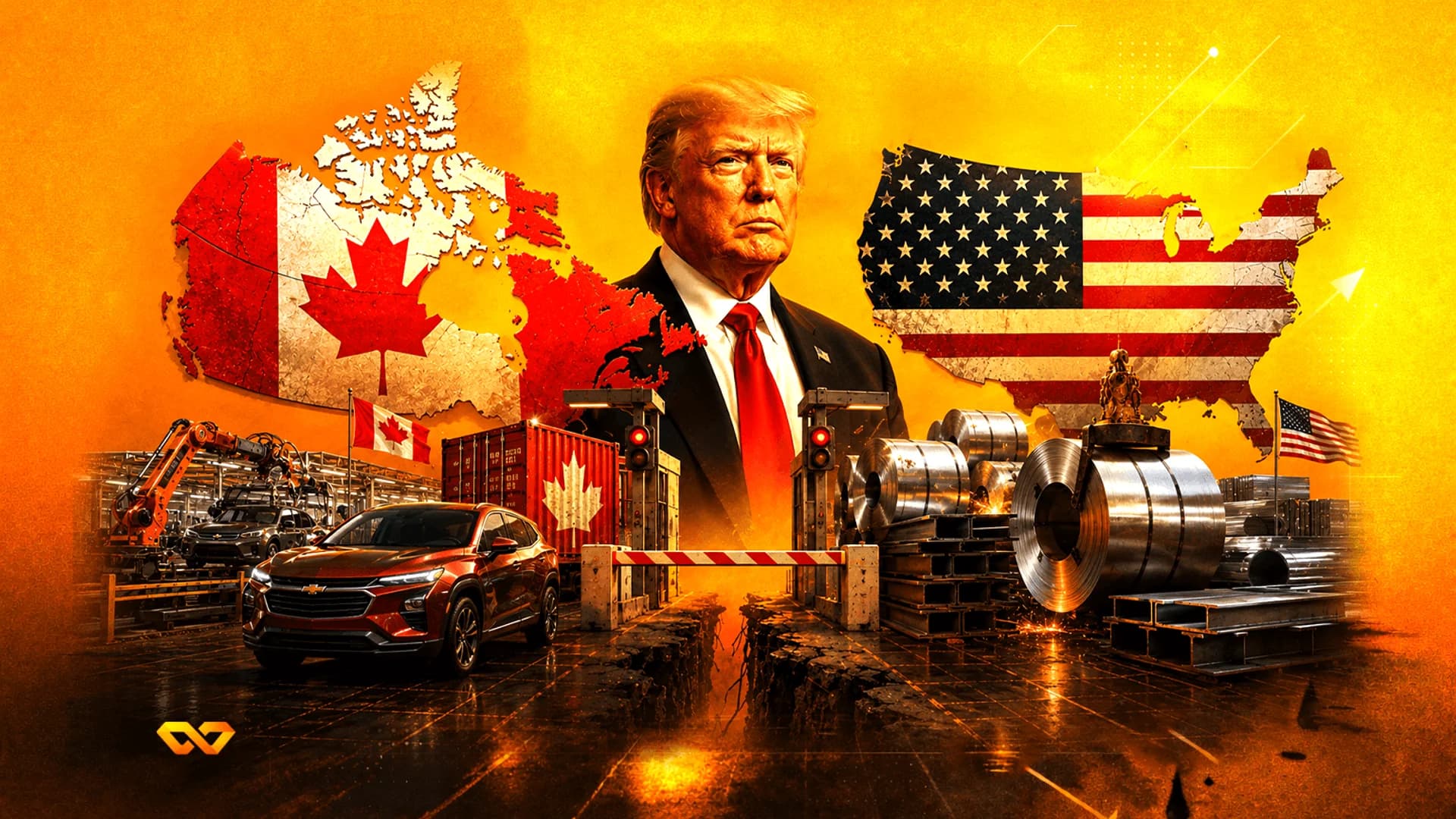
In a move reflecting escalating trade tensions in North America, President Donald Trump announced plans to impose sharp 50% tariffs on Canadian imports of cars, trucks, automotive parts, and steel. According to reports, these measures are slated to take effect on January 1, 2027. This direct threat follows the collapse of bilateral trade negotiations between the United States and Canada, signaling a major shift in economic relations.
This decision threatens to disrupt integrated industrial supply chains, particularly in the manufacturing sector which relies heavily on cross-border trade. These pressures emerge as market data shows softening construction activity in Canada, with Housing Starts recorded at 229.1k on August 18, 2026, missing the forecast of 248k and highlighting existing economic vulnerabilities ahead of the proposed tariff implementation.
Investors should closely watch for official responses from Canadian authorities or any signs of resumed trade talks to avert this escalation. Markets are also looking toward the EIA Weekly Petroleum Report on August 19, 2026, for further cues on energy demand amid this volatile trade environment.
Latest Updates · 6
- Notable·
Update: The trade crisis has taken a more escalatory turn as the Canadian Trade Minister confirmed the country's readiness to impose retaliatory tariffs on U.S. goods. This stance marks a strategic shift in Canadian policy from seeking a bilateral deal to preparing for direct trade confrontation in response to U.S. threats.
- Notable·
Update: Trade tensions have escalated further as Canada signaled its readiness to retaliate against the U.S. tariff threats. According to reports, this stance marks a shift from passive observation to active preparation for a bilateral trade conflict, potentially deepening the strain on North American supply chains.
- Major·
Update: The trade dispute has intensified following Prime Minister Mark Carney's announcement that Canada will impose 'dollar for dollar' retaliatory tariffs against the U.S. This official response marks a shift from a unilateral threat to a full-scale bilateral trade confrontation between North America's largest trading partners.
- Notable·
Update: Recent reports indicate fading hopes for an imminent resolution, as Canadian leaders have ruled out a trade deal before the 2026 US midterm elections. This development reinforces expectations that trade uncertainty and the threatened tariffs will persist for a longer duration than initially anticipated.
- Notable·
Update: Ford has emerged as a key corporate entity at risk due to this escalation, with approximately $3 billion in investments in Canada currently exposed. According to reports, the implementation of these tariffs could place direct pressure on the company's manufacturing operations and its competitive standing within the North American market.
- Notable·
Update: Financial markets reacted immediately to these developments, with shares of General Motors (GM), Ford (F), and Stellantis (STLA) recording declines. This downward movement followed the confirmed breakdown of trade negotiations between Washington and Ottawa over the weekend, intensifying investor concerns over production costs and supply chain stability.