
Hormuz Strait Closure Triggers Global Energy Crisis Amid Direct Military Conflict
Key Facts
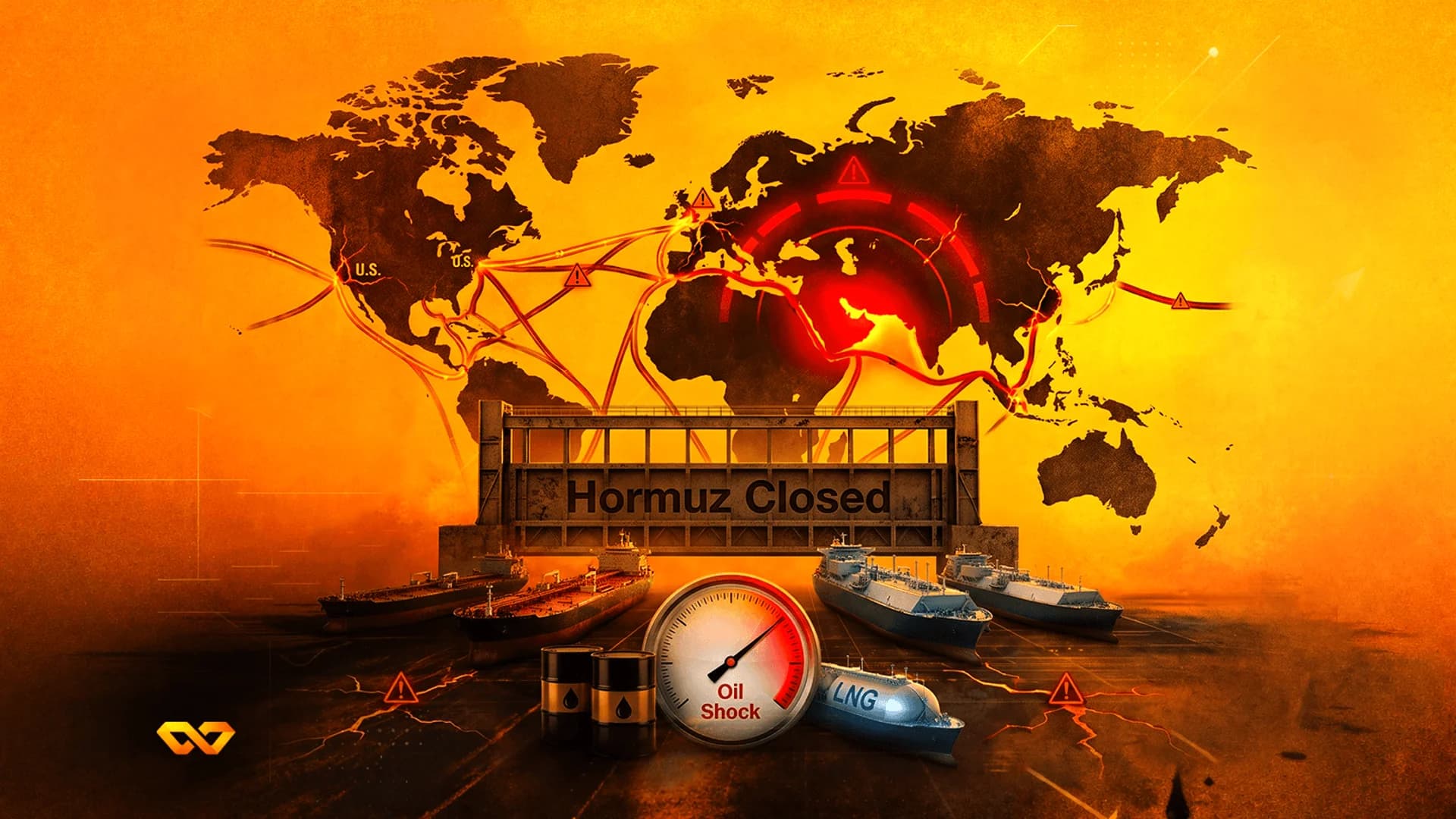
In a dramatic escalation placing the global economy under unprecedented strain, direct military conflict involving the U.S., Israel, and Iran has led to the complete closure of the Strait of Hormuz. According to analyst reports, this closure has halted vital oil flows, resulting in widespread global energy shortages. These developments confirm the market's worst fears regarding a total supply chain rupture in the world's most critical oil transit chokepoint.
The halt in trade through the strait has exposed significant energy dependencies, particularly in regions like Africa that rely heavily on Iranian and Chinese supplies. Compared to previous crises, the lack of immediate logistical alternatives places immense pressure on importing nations, as the strait typically handles approximately 20% of global oil consumption per Reuters data. Experts warn that a prolonged closure could trigger historic spikes in fuel prices and exacerbate global inflationary pressures.
Investors must closely monitor military movements in the region as the primary factor determining the duration of this disruption, with oil prices remaining susceptible to extreme volatility. Upcoming strategic reserve reports will be paramount in assessing how long nations can withstand this acute supply deficit.