
Hormuz Tensions Escalate as US Strikes Iranian Targets Amid Supply Risks
Key Facts
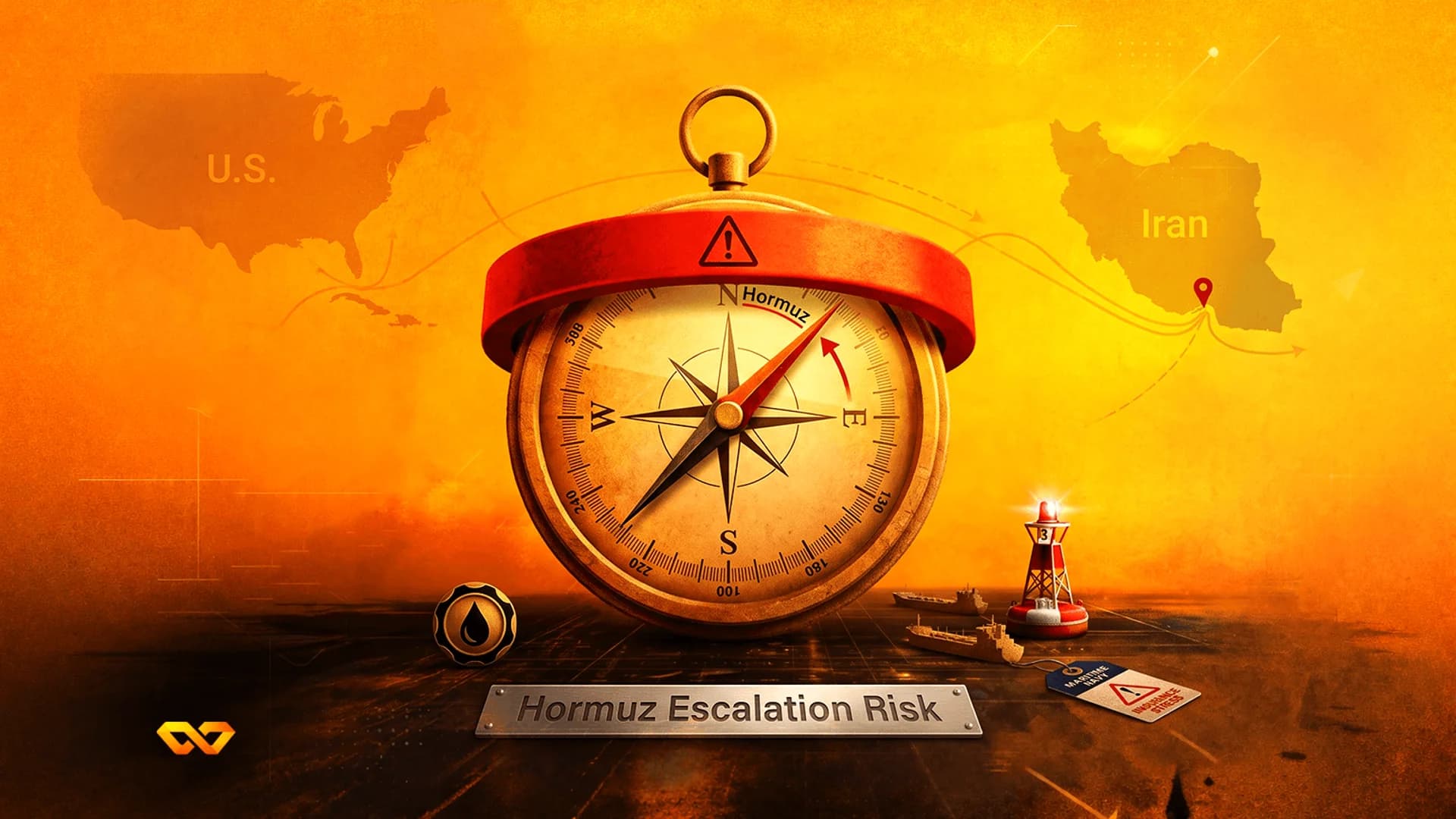
Amid rising geopolitical risks threatening the stability of global energy supplies, the United States continues to conduct military strikes against Iranian targets in response to regional threats. According to reports, Tehran has warned of an existential war, while the IRGC has threatened to target oil lifelines in the Strait of Hormuz and disrupt global energy workarounds. In a parallel diplomatic development, reports indicate progress in Israel-Lebanon talks regarding a pilot withdrawal of the IDF from two border zones.
These developments come at a critical juncture for oil markets, as approximately 20% of global oil consumption passes through the Strait of Hormuz daily, according to US Energy Information Administration (EIA) data. Historically, similar tensions have led to sharp spikes in Brent crude, with prices hitting record levels above $120 per barrel during previous regional crises (per Bloomberg data). Traders are currently monitoring the impact of these threats on maritime insurance and shipping costs, which have risen significantly in Middle Eastern trade lanes.
Looking ahead, markets are awaiting the OPEC meeting scheduled for July 13, 2026, which may address the implications of these tensions on global supply stability. Additionally, the US Monetary Policy Report on July 10, 2026, will be a key event for assessing how energy prices influence inflation expectations.