
Trump Scraps Hormuz Fees for Gulf Investment Deals, Reinstates Iran Blockade
Key Facts
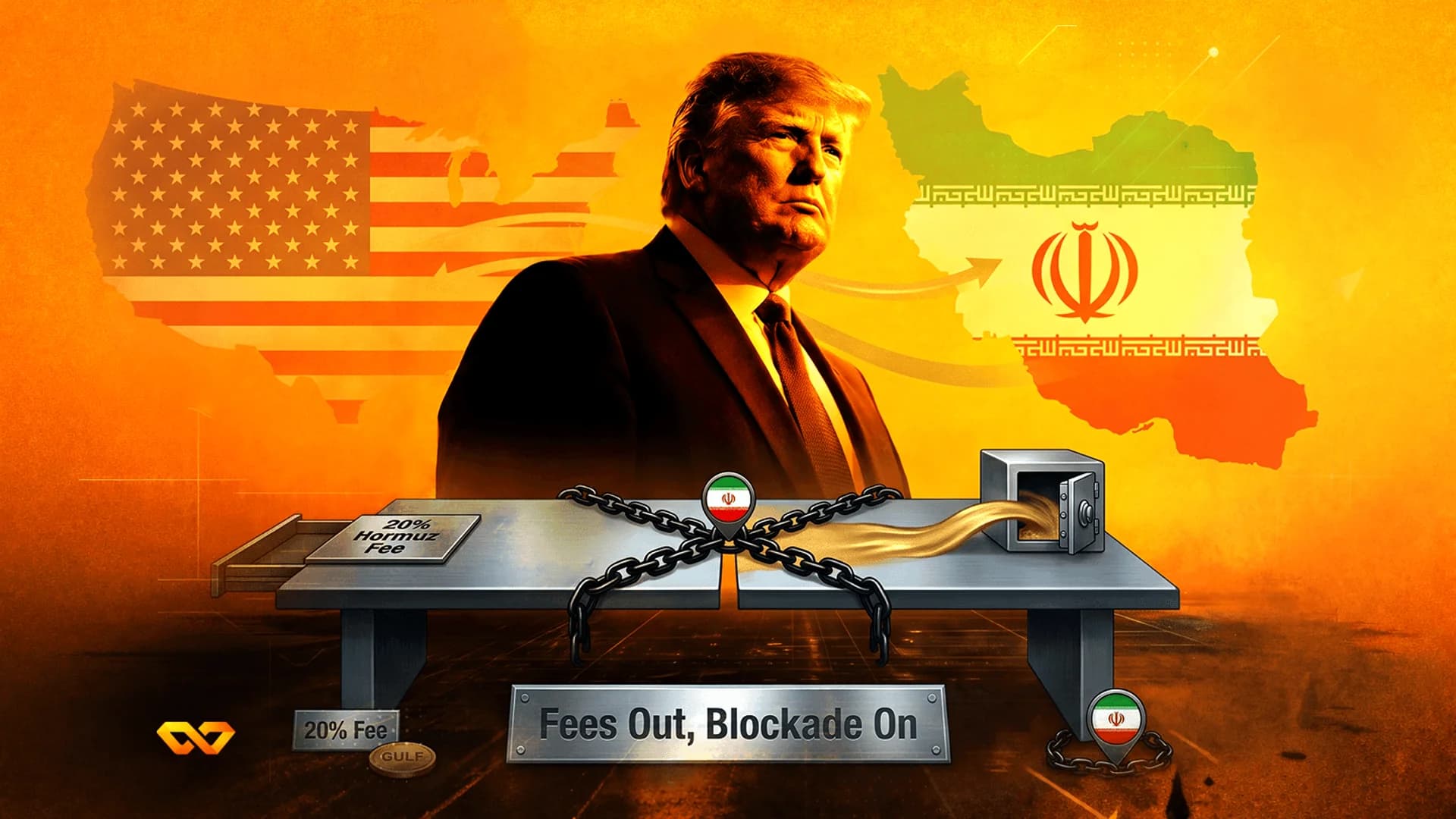
In a move reflecting a strategic shift in securing global waterways, President Trump has scrapped a proposed shipping fee in the Strait of Hormuz for Gulf states in exchange for commitments to investment deals within the United States. This economic pivot coincides with the reinstatement of a full maritime blockade targeting Iranian cargo following recent military clashes in the region. The shift aims to secure capital inflows from regional partners while intensifying logistical pressure on Tehran.
These developments arrive at a sensitive juncture for global energy markets as the White House seeks to balance shipping costs with supply security. According to Fox Business reports, the exemption for Gulf allies removes a financial burden that threatened supply chains, while the blockade on Iran maintains a high geopolitical risk premium. Analysts compare this to previous "maximum pressure" policies, noting that international trade remains sensitive to waterway stability, as seen in Germany's Trade Balance data from July 9, 2026, which showed a 0.9% growth in exports.
Traders should monitor the upcoming EIA Weekly Petroleum Report, following previous data that showed a crude inventory build of 2.998 million barrels.