
Oil Surges 12% as US Reinstates Iran Blockade Amid Hormuz Transit Halt
Key Facts
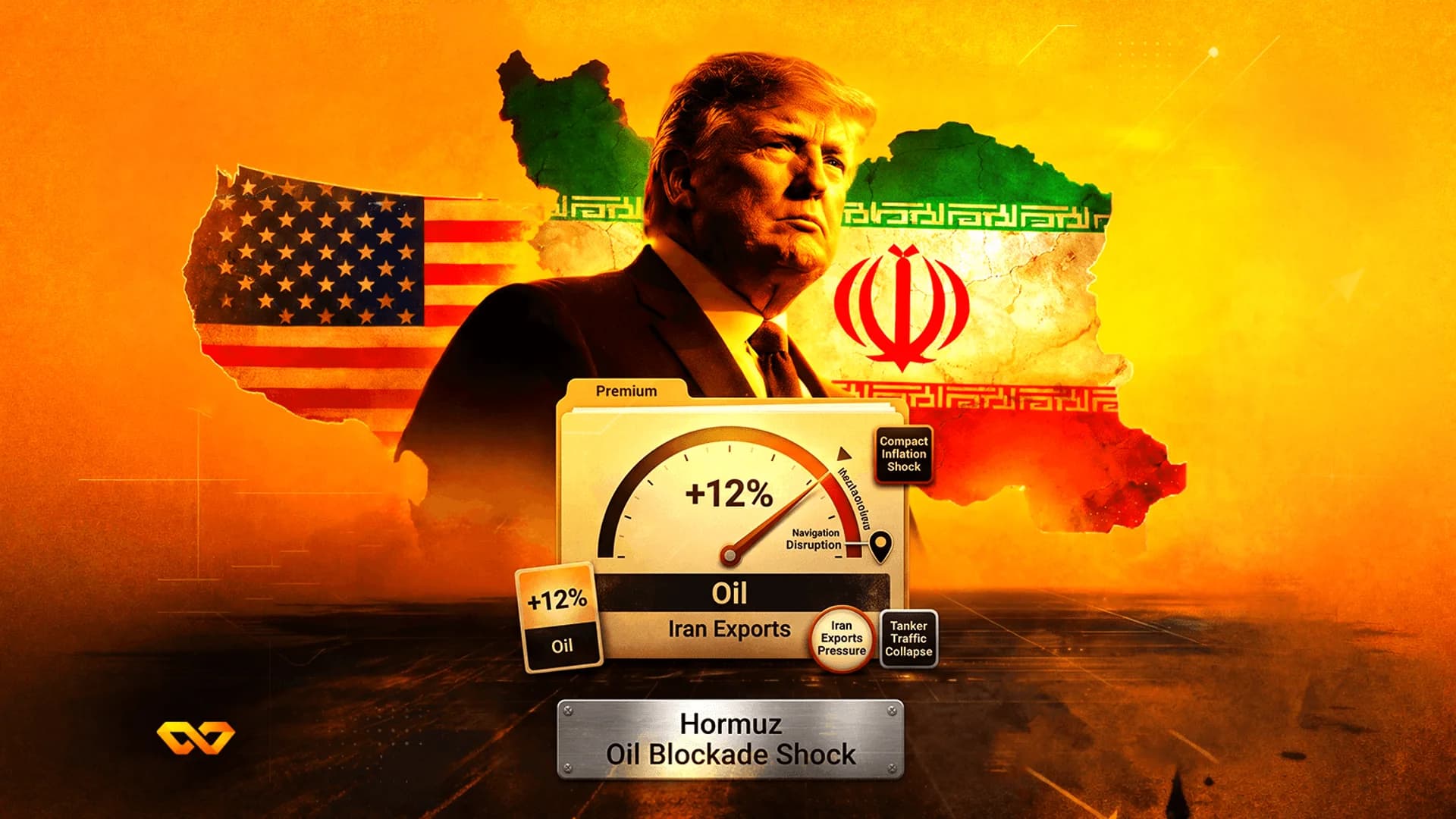
Amid escalating geopolitical tensions reshaping energy risk profiles, oil prices surged 12% since last Friday, hitting a one-month high during Tuesday's Asian trade. This rally is primarily driven by the United States reinstating a total blockade on Iranian oil exports, coinciding with the suspension of transit through the Strait of Hormuz following strikes in the UAE and Bahrain. According to reports, these developments have triggered an immediate return of war risk premiums as shipowners and charterers halt operations in the vital waterway.
The new U.S. blockade represents a strategic shift aimed at tightening financial pressure on Tehran, threatening to remove significant supply from global markets at a critical juncture. Compared to previous price levels, Brent Crude's breach of monthly highs reflects deep market anxiety over supply deficits, given that 20% of global consumption relies on this region. Per market data, oil futures are experiencing extreme volatility as investors price in the potential for prolonged disruptions caused by both the blockade and military hostilities.
Traders should monitor Brent Crude levels, which remain elevated as of the July 7, 2026 close, to gauge the sustainability of this bullish momentum. Key catalysts include Fed Governor Bowman’s speech on July 7, 2026, regarding energy-driven inflation, and the EIA Weekly Petroleum Report on July 8, which will be crucial in determining how global inventories can buffer the loss of Iranian and Gulf supplies.
Latest Updates · 8
- Notable·
Update: Analysts warn that ongoing tensions in the Strait of Hormuz threaten to terminate the recent period of relief in U.S. gasoline prices. According to reports, there are growing concerns that prices could return to the $4 per gallon threshold, potentially reversing recent disinflationary trends in the energy sector.
- Notable·
Update: Recent reports indicate an expansion of geopolitical tensions as Iran shifts its strategic focus toward the Red Sea as a new pressure point. This development raises further market concerns regarding the potential for maritime disruptions to spread to other vital waterways beyond the Strait of Hormuz.
- Notable·
Update: Brent Crude prices have breached the $85 per barrel threshold as the market narrative shifts toward a long-term structural deficit. According to reports, the conflict has pushed back the anticipated 2026 LNG oversupply wave to 2028, further compounding supply pressures driven by Super El Niño conditions and extreme global heat.
- Notable·
Update: The geopolitical escalation has spilled over into risk assets, with Bitcoin falling to the $62,600 level. Analysts attribute this decline to traders exiting crypto positions as global inflation fears intensify following the surge in energy prices.
- Notable·
Update: The energy crisis has spilled over into debt markets, with U.S. Treasury yields rising as investors weigh the inflationary impact of higher oil prices. This shift in the bond market reflects growing concerns that sustained energy costs could complicate the Fed's efforts to stabilize long-term inflation.
- Notable·
Update: Pressures have shifted to the physical market as Middle East spot prices trade at a premium to futures (backwardation), reflecting urgent demand for prompt delivery. According to reports, Asian refineries are now actively seeking non-Gulf crude alternatives to hedge against the risk of prolonged transit disruptions in the Strait of Hormuz.
- Notable·
Update: President Trump has threatened to impose a toll on the Strait of Hormuz, accelerating efforts by Saudi Arabia and the UAE to bypass the strategic chokepoint. Both nations are reportedly increasing reliance on alternative export routes and inland pipelines to mitigate supply vulnerability risks stemming from the ongoing blockade and regional hostilities.
- Major·
Update: The crisis has intensified as the US reinstated a comprehensive naval blockade on Iran, effectively slowing vessel traffic through the Strait of Hormuz to a trickle. This development marks a shift from kinetic military strikes to a direct disruption of global energy supply chains, likely sustaining upward pressure on oil prices.