
U.S. Intensifies Iran Strikes with Triple Daily Raids Amid Strait of Hormuz Crisis
Key Facts
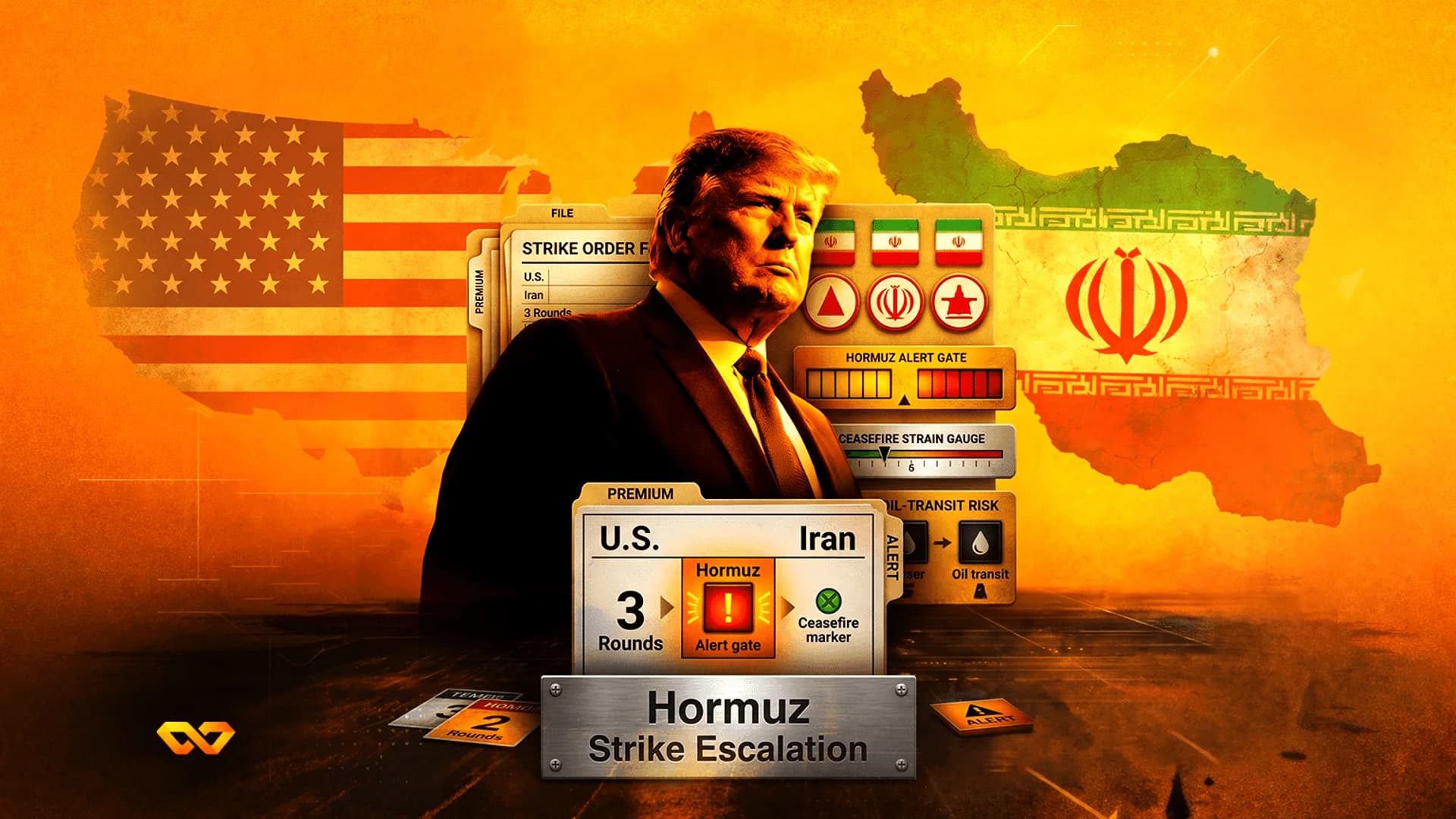
U.S. military operations against Iranian targets have entered a high-intensity phase, significantly raising the stakes for global energy security. According to reports, the campaign has accelerated to five strike rounds within a single week, with three separate waves of attacks occurring in just one day, signaling a major escalation in the military confrontation near the strategic Strait of Hormuz.
This surge in operational tempo has intensified market volatility as investors weigh the risks of a prolonged conflict and potential maritime blockades. Per market data, major energy equities are reflecting this heightened risk environment, with Chevron (CVX) trading at $176.40 and Shell (SHEL) at $82.23 as of July 10, 2026, as the geopolitical risk premium remains embedded in sector valuations.
Market participants are closely tracking price levels, with XOM at $138.825 and BP.L at 482.65 pence (close of July 10, 2026). Key catalysts to watch include further Pentagon briefings regarding the effectiveness of the triple-strike rounds and the upcoming API Crude Oil Stock Change report on July 7, which will provide the first statistical look at how this military escalation is impacting global supply dynamics.