
Middle East Tensions Surge as Interim Deal Fails and US-Iran Leaders Trade Threats
Key Facts
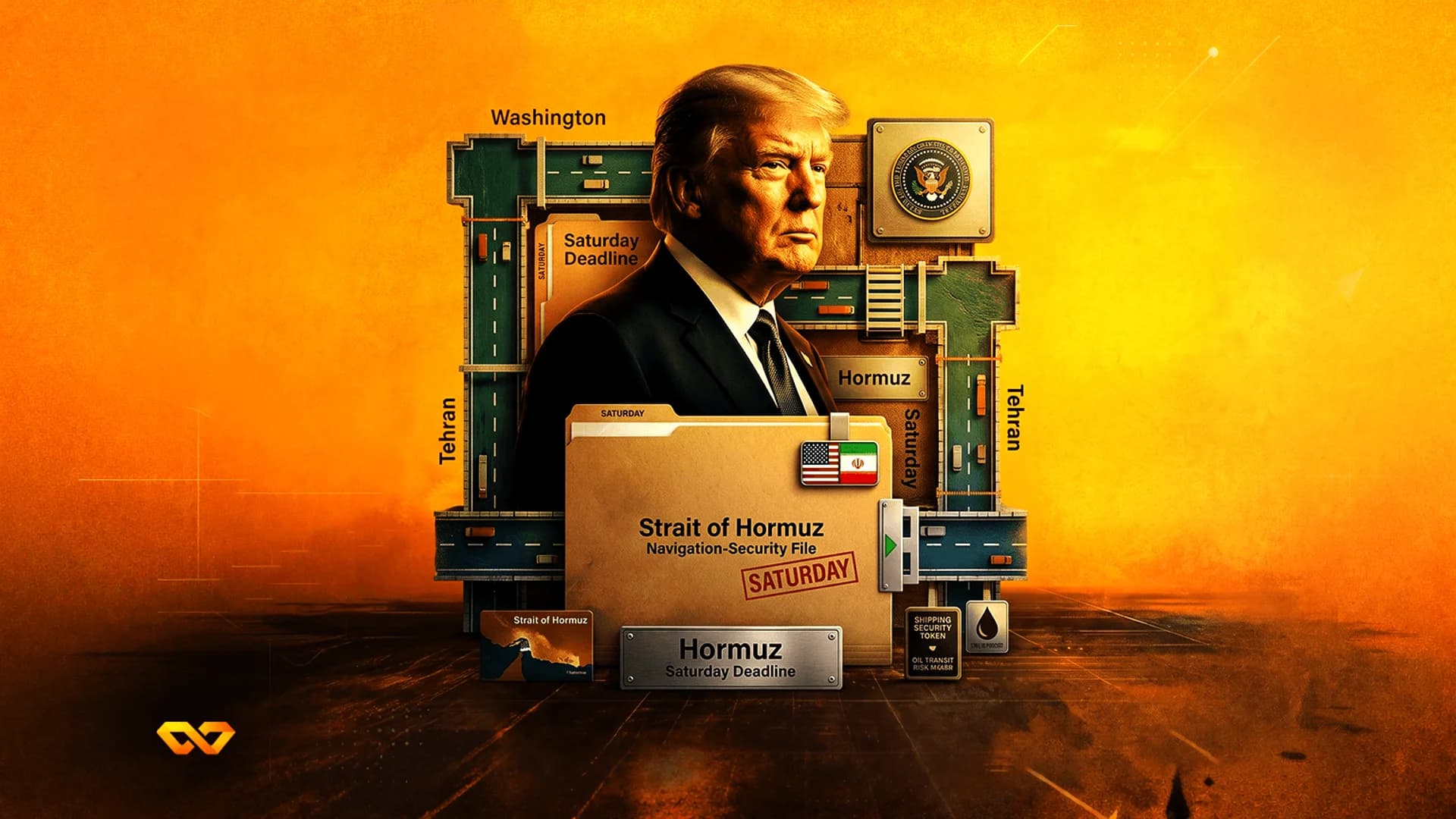
In a move reflecting the fragile geopolitical stability of global energy hubs, U.S. and Iranian leaders traded direct military threats on Saturday, signaling a sharp deterioration in recent diplomatic efforts. According to reports, the interim deal to end the war is buckling under the pressure of repeated crossfire in the Middle East. Iran’s supreme leader has vowed revenge, while former U.S. President Trump threatened a massive missile response to any assassination attempts, raising the stakes of the confrontation to unprecedented levels.
These escalating threats place renewed pressure on maritime trade routes, specifically the Strait of Hormuz, which handles approximately 20% of global liquid petroleum consumption per US Energy Information Administration (EIA) data. Analysts suggest that the collapse of interim agreements typically triggers a resurgence of geopolitical risk premiums in oil futures. Compared to previous regional crises, direct threats between top leadership tend to accelerate market volatility across global financial assets, per market data.
Looking ahead, traders are closely monitoring field developments that could translate these verbal threats into military action, especially as the economic calendar remains sensitive to regional stability. Markets are also awaiting further official statements that may confirm the end of the diplomatic path and a shift toward a direct confrontation that could redefine global oil supply dynamics.