
US PPI Surges to 6.5% as Hormuz Energy Crisis Stokes Inflation
Key Facts
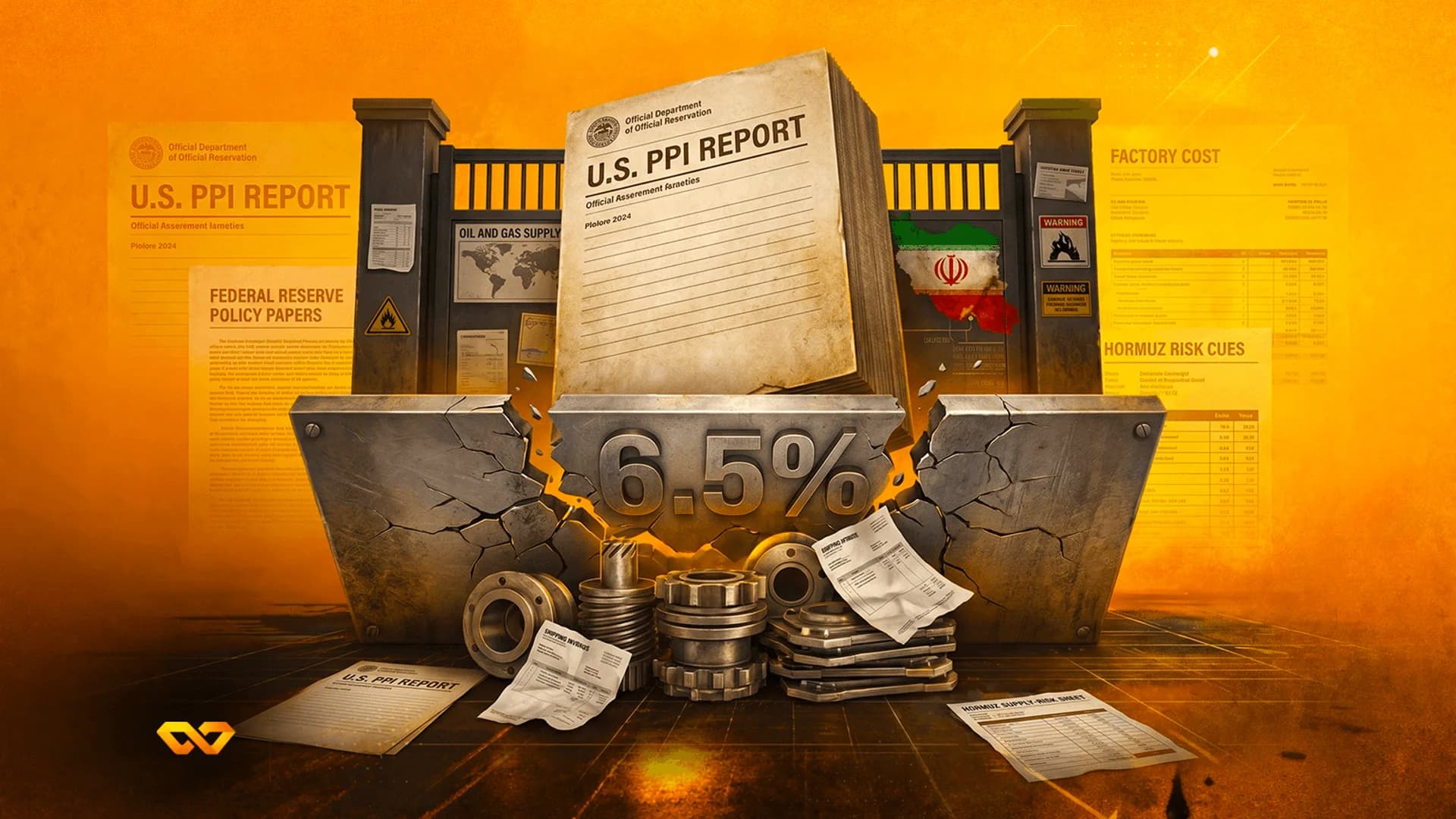
In a move reflecting renewed inflationary pressures, the latest data shows the US annual Producer Price Index (PPI) rose to 6.5% in May, exceeding economist expectations of 6.4%. This reading marks the highest level since December 2022, driven primarily by energy price shocks resulting from geopolitical tensions in the Strait of Hormuz. According to reports, these supply disruptions have significantly increased input costs for manufacturers across the country.
This surge comes at a sensitive time for global markets, as the energy crisis coincides with diverging economic performance; while India reported robust GDP growth of 7.8% per market data, the Eurozone faced a quarterly contraction of -0.2%. Experts suggest that sustained high energy prices due to maritime disruptions could lead to "sticky" inflation, complicating the path for central banks to implement rate cuts in the near term.
Looking ahead, investors are closely monitoring the OPEC meeting scheduled for June 7, 2026, for any potential supply relief. Market attention will also remain on the US labor market, where the unemployment rate held steady at 4.3% (as of June 5, 2026 close), providing the Fed with continued policy flexibility. Energy price benchmarks will be the primary catalyst to watch for future inflation trajectory.
Latest Updates · 1
- Notable·
Update: The AI technology boom has emerged as a new structural driver of global inflation, with surging resource demands in the US, China, and Europe pushing costs higher. This demand-side pressure complements the ongoing energy crisis, reinforcing expectations that elevated inflation may persist for a longer period.