
The information provided on EL7.AI is for educational and informational purposes only and does not constitute financial advice.
The information provided on EL7.AI is for educational and informational purposes only and does not constitute financial advice.
Sign in to access this content
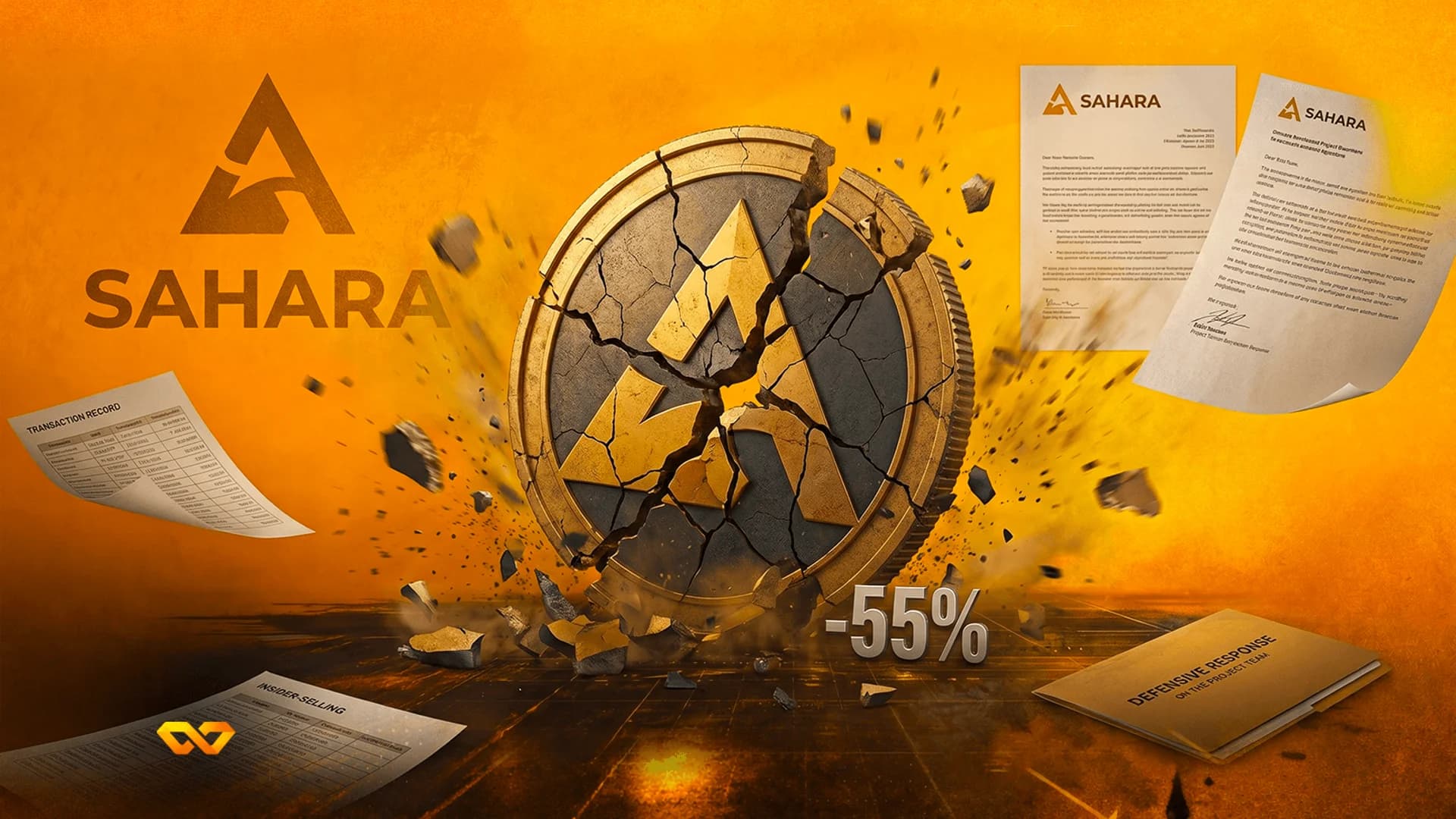
Sign InIn a move reflecting the fragile nature of investor trust in emerging crypto projects, the SAHARA token experienced a severe collapse exceeding 60%, hitting a price floor of $0.014. According to reports, this rapid decline triggered a massive liquidation event, flushing out $22.9 million in long positions compared to just $354,000 in shorts. Sahara AI has officially denied allegations of team selling, explaining that a 600 million token transfer was executed specifically to fund its Chainlink CCIP bridge infrastructure rather than for market liquidation.
This crash comes at a time when AI-focused blockchain projects are facing intense scrutiny, with the scale of liquidations exacerbating the downward pressure. In comparison to benchmark assets, Bitcoin remained relatively stable near the $69,000 level during the same period, suggesting the selloff was driven by project-specific catalysts rather than a broad market trend, per market data. Similar DeFi projects have historically faced intense selling pressure when whale wallet movements occur without prior transparency, heightening retail panic.
Investors should closely monitor liquidity levels around the $0.014 support (close June 10, 2026), as the high volume of liquidations suggests ongoing technical fragility. Looking ahead at the economic calendar, the market is awaiting a speech by the Fed's Barr on June 3, 2026, which could influence general risk appetite for digital assets. Rebuilding investor confidence will likely depend on Sahara AI providing further verifiable evidence regarding the transparency of its large-scale wallet movements.
Update: The Sahara AI team sought to calm markets by releasing on-chain records confirming that investor and treasury allocations remain untouched, while explicitly denying any security vulnerabilities despite the price drop extending beyond 60%. This move aims to bolster digital transparency and restore community trust following the intense sell-off.