Track the evolution of major financial and economic events
Trade negotiations between Canada and the United States have reached a stalemate as Prime Minister Mark Carney maintains a firm position against President Donald Trump. Consequently, Canada is moving closer to implementing retaliatory tariffs in response to current U.S. trade policies. This breakdown in discussions now threatens energy supplies for the $6 billion Champlain Hudson Power Express project.
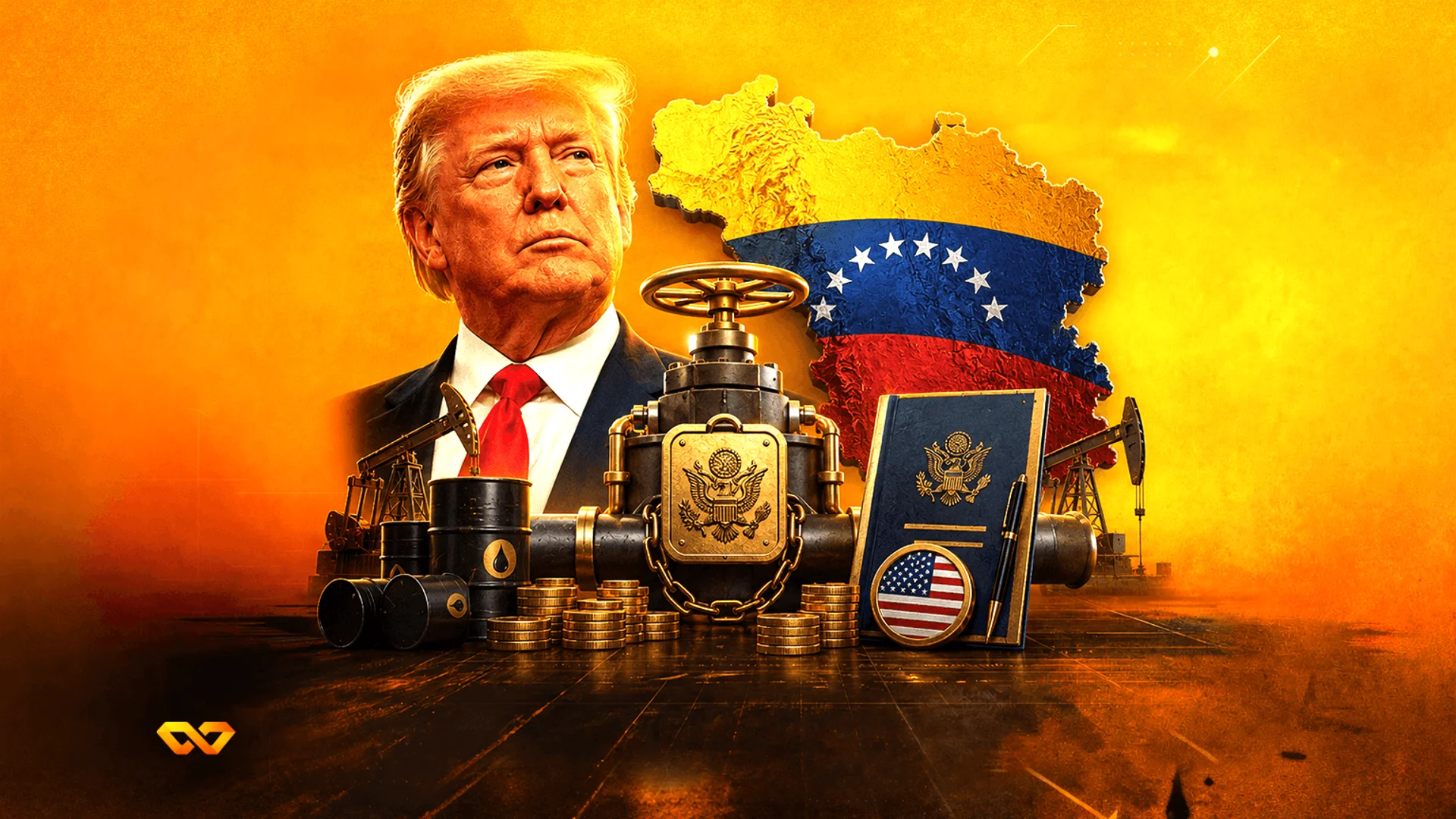
The US Department of Defense initiated negotiations for Venezuelan oil fields through an intermediary on August 28. On August 29, President Donald Trump announced a deal securing US control over 65 billion barrels of Venezuela's oil reserves. Venezuela's interim president stated that the agreement will assist in reviving the country's struggling economy.
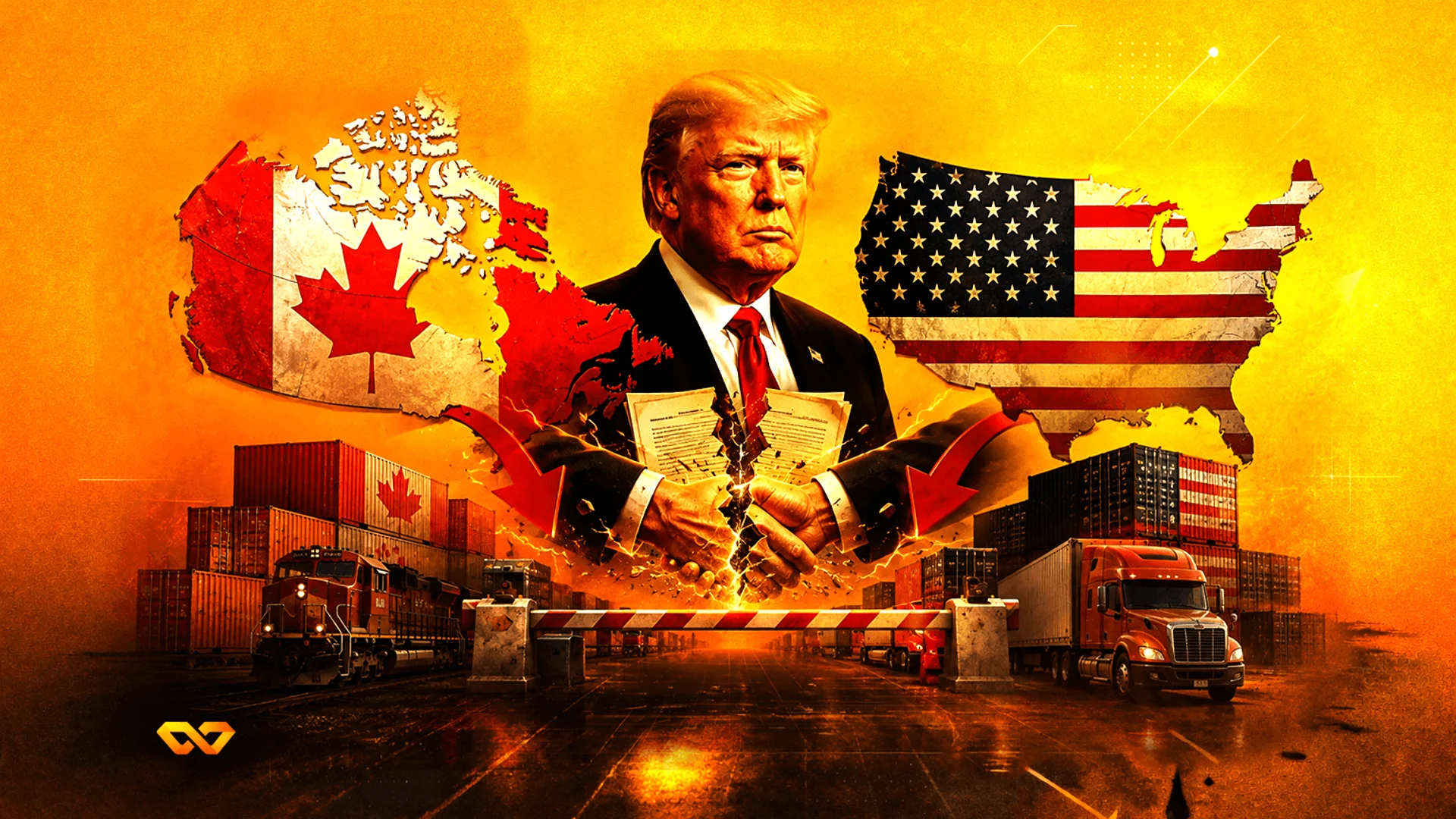
On August 24, trade negotiations between the United States and Canada collapsed after the parties failed to reach an agreement. In response to the breakdown of talks, Canada has imposed retaliatory tariffs on U.S. goods. This development marks a significant escalation in trade tensions between the two North American neighbors.
U.S. and Canadian officials engaged in urgent discussions on August 21 to secure a trade deal and avert new tariffs. By August 22, Canadian PM Mark Carney suspended the talks, characterizing the proposed U.S. terms as unfair. Canada subsequently vowed to implement dollar-for-dollar retaliatory tariffs in response to President Trump's proposed 50% hike. These events signal a breakdown in negotiations and a move toward reciprocal trade barriers.
On August 19, President Trump announced the commencement of a major economic operation against Iran, describing it as the most crushing to date. Following this announcement, oil prices extended their rally on August 20 amid growing concerns over tighter U.S. sanctions. These events highlight the immediate impact of geopolitical tensions on global energy markets.
On August 19, Donald Trump announced a pause on the imposition of 50% tariffs on additional goods from Canada. This announcement followed the conclusion of a last-minute trade deal between the two countries. The decision effectively halts the immediate threat of increased trade barriers and provides temporary stability for cross-border commerce.
U.S. and Canadian trade officials are negotiating a reduction in auto sector tariffs to 15% to mitigate ongoing trade tensions. While the U.S. had threatened 50% tariffs on $20 billion of Canadian imports, President Trump recently paused these measures for a three-day period to facilitate further discussions. Despite continuous meetings between negotiators, the specific levels of auto tariffs remain the primary sticking point in reaching a new trade deal.
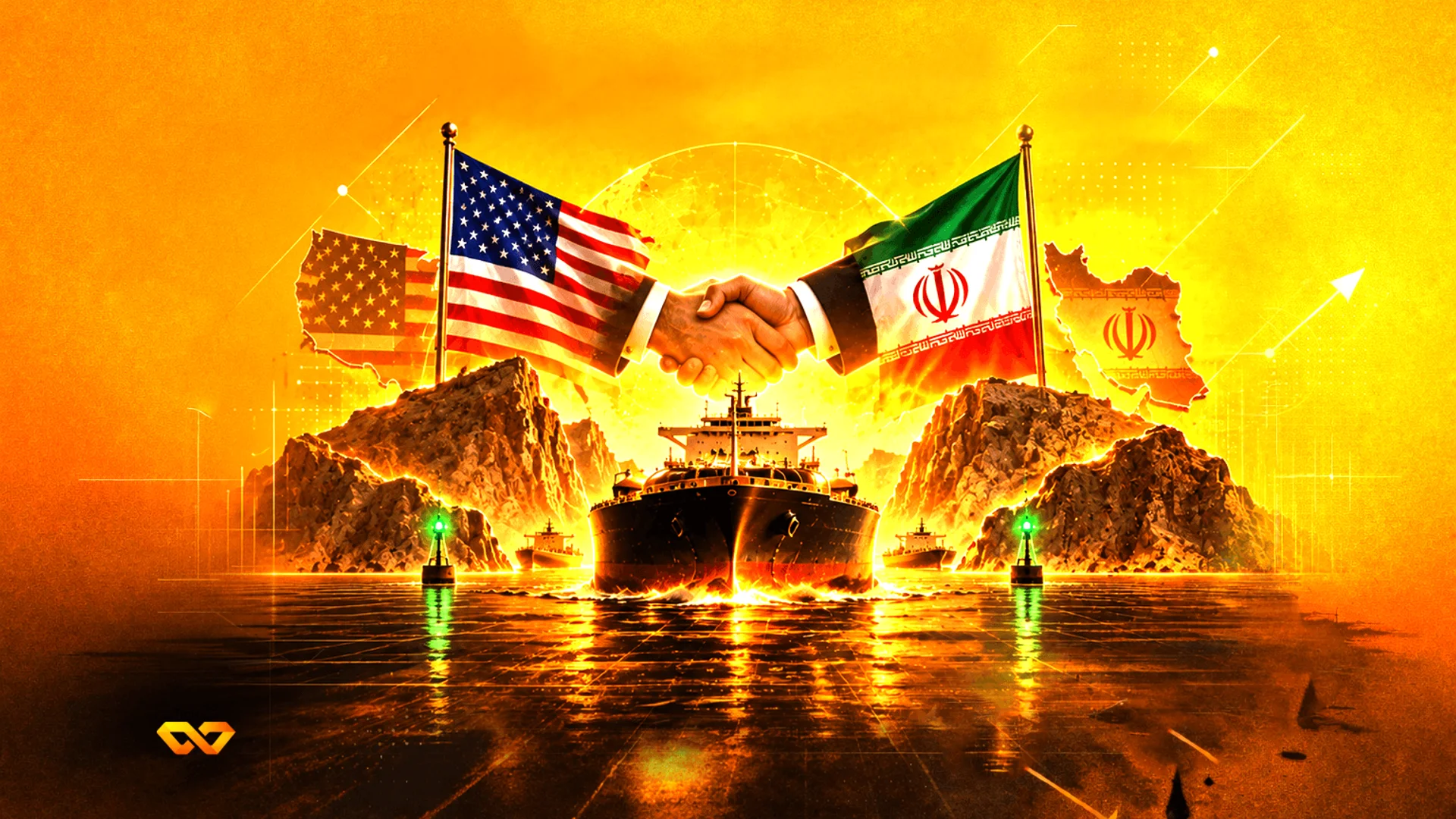
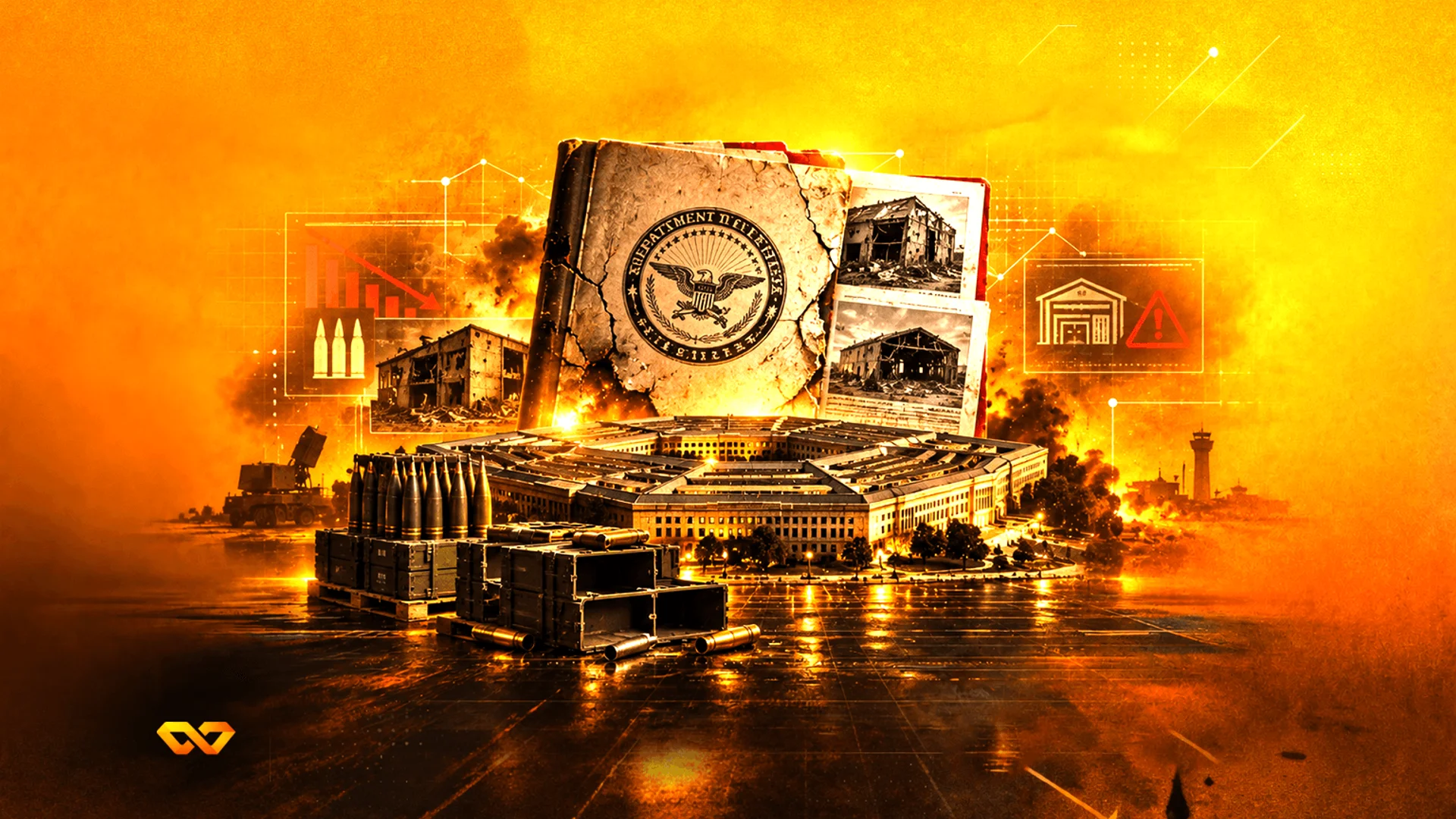
Negotiations between Iran and Oman regarding shipping arrangements in the Strait of Hormuz are moving forward despite significant Iranian conditions. Concurrently, reports have raised concerns over the adequacy of US missile inventories, such as Patriot and Tomahawk systems, following months of conflict. Market reactions were immediate on August 18, with bond yields and oil prices rising after the expiration of the US-Iran ceasefire agreement.
US Treasury Secretary Scott Bessent announced that unprecedented economic isolation measures against Iran will be unveiled next week. Scotiabank assesses that these measures could include sanctioning large Chinese banks and blocking their access to the US dollar system. Additionally, the Dow fell following Donald Trump's threat of military action against Oman should it interfere with US-Iran negotiations.
The UAE condemned an Iranian missile attack on an ADNOC-linked carrier in the Strait of Hormuz on August 8. Following this confirmed incident, unverified reports on August 10 suggested another tanker caught fire after being hit off the coast of Oman. The Emirati government has formally denounced these attacks, which have heightened concerns over maritime security in the region.
The US administration introduced measures to counter China's dominance in the solar and semiconductor sectors by considering price floors and new tariffs on polysilicon. Following reports of these potential trade restrictions, solar stocks experienced a significant surge. On August 6, President Trump officially signed a proclamation imposing a 15% tariff on imports of solar panels and related components. These actions aim to regulate the pricing of raw materials used in critical technology manufacturing.
The Trump administration prepared a new strategy as the global tariff deadline approached. On July 23, the administration began developing replacements for the 10 percent global tariffs set to expire at midnight. By July 25, President Trump had replaced the expiring tariffs with a series of new ones following the global deadline.
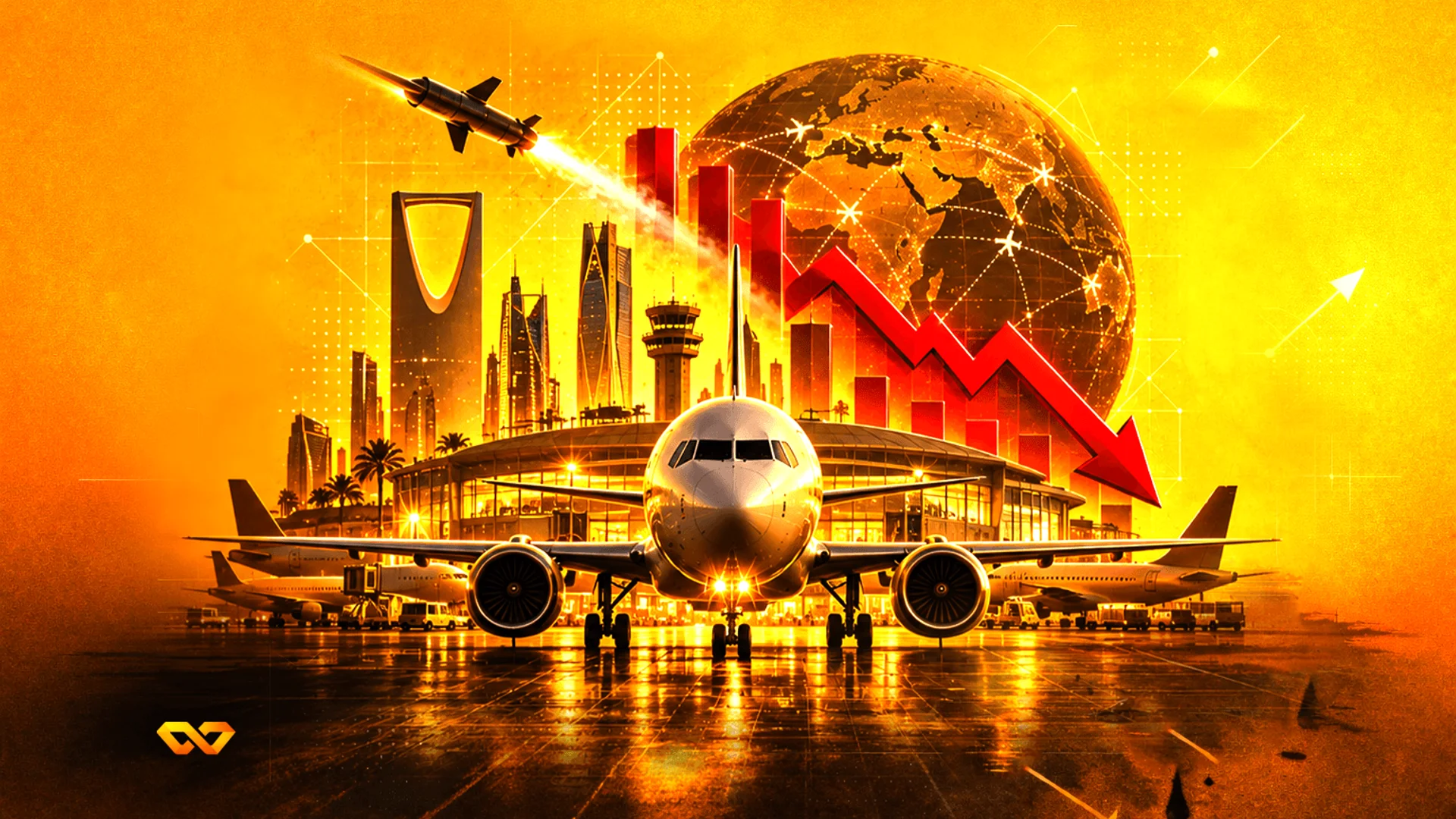
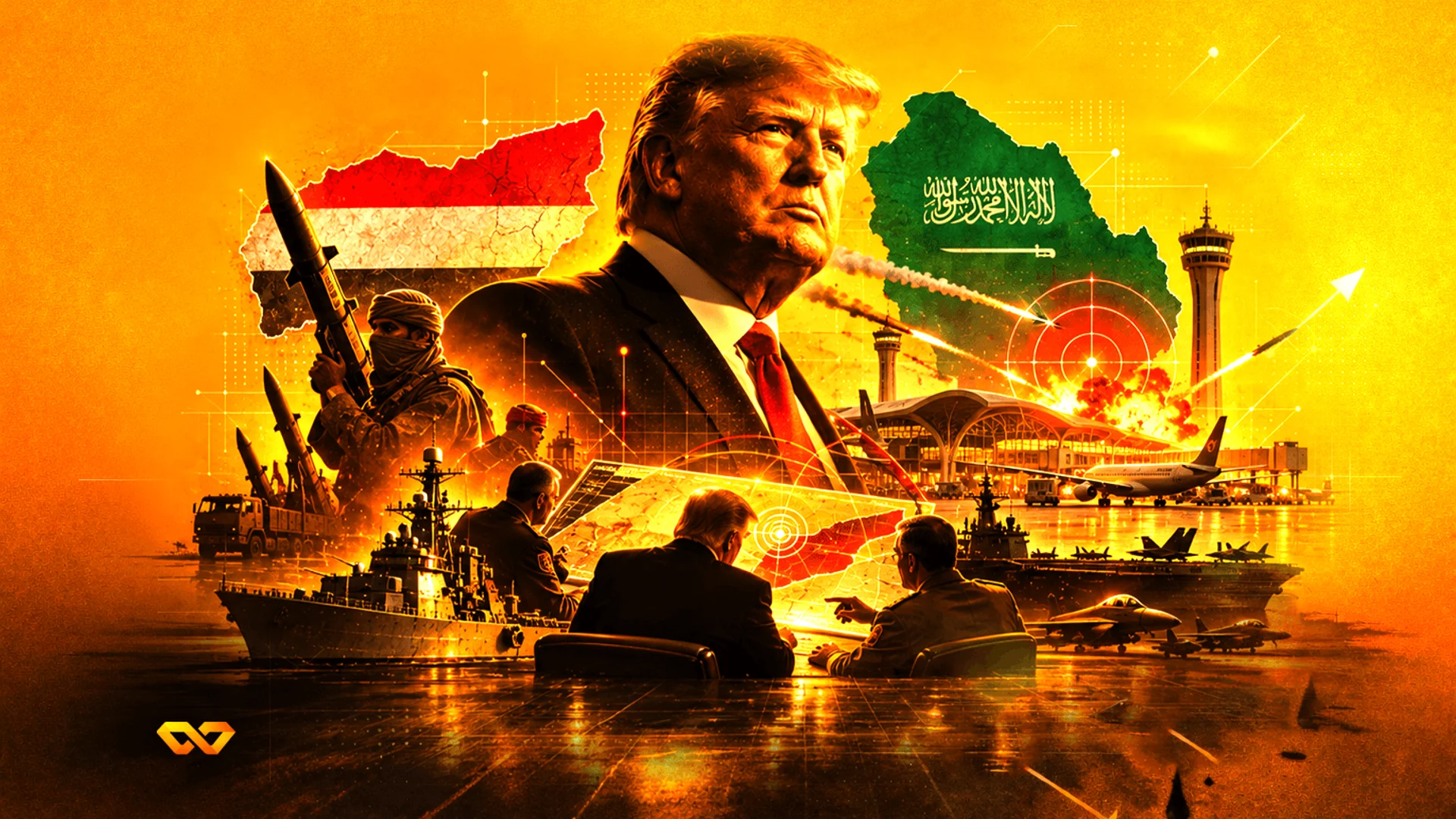
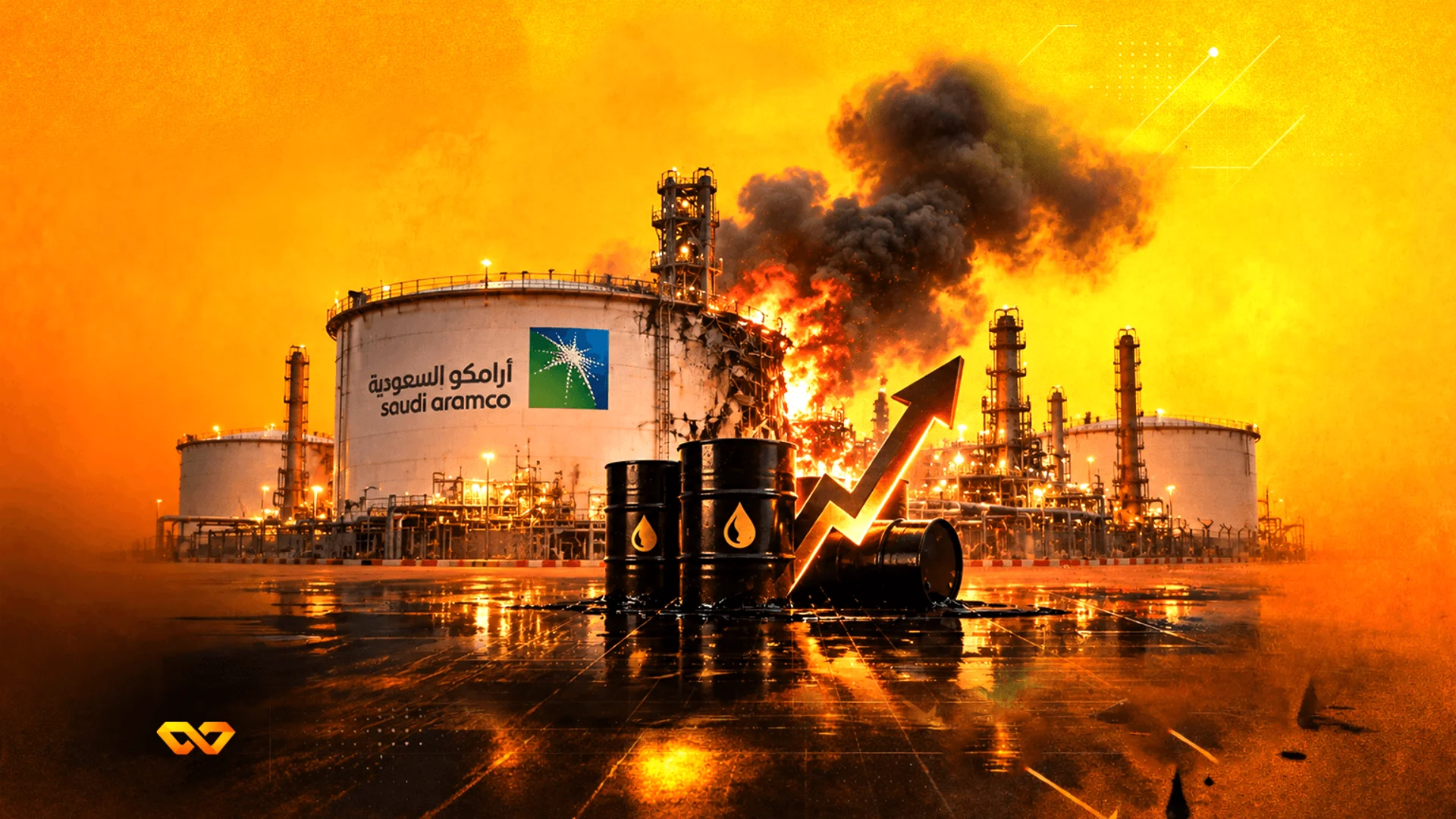
Yemen's Houthi group announced a naval blockade against Saudi Arabia, escalating regional tensions. The group threatened millions of barrels of Saudi oil passing through the strategic Bab el-Mandeb strait. Prediction markets currently estimate a 57% chance that the Houthis will successfully block Saudi ports by August 31.
President Trump criticized Canada over spreading wildfire smoke, threatening to add pollution costs to existing tariffs. On July 20, he signed three proclamations imposing additional 50% tariffs on various Canadian imports in response to alleged trade discrimination against the U.S. The administration is utilizing an untested legal provision to apply these duties, reigniting a major trade clash between the two nations.
President Trump is rushing to implement new tariffs by a July 24 deadline after the Supreme Court invalidated previous emergency-powers import taxes, leading to massive refunds. In response, Trump offered to reduce aluminum tariffs for companies that commit to building manufacturing facilities within the U.S. Furthermore, he announced a two-year 0% tariff exemption for generic drugs starting August 1, after which rates will sharply increase to 100% and eventually 200%.
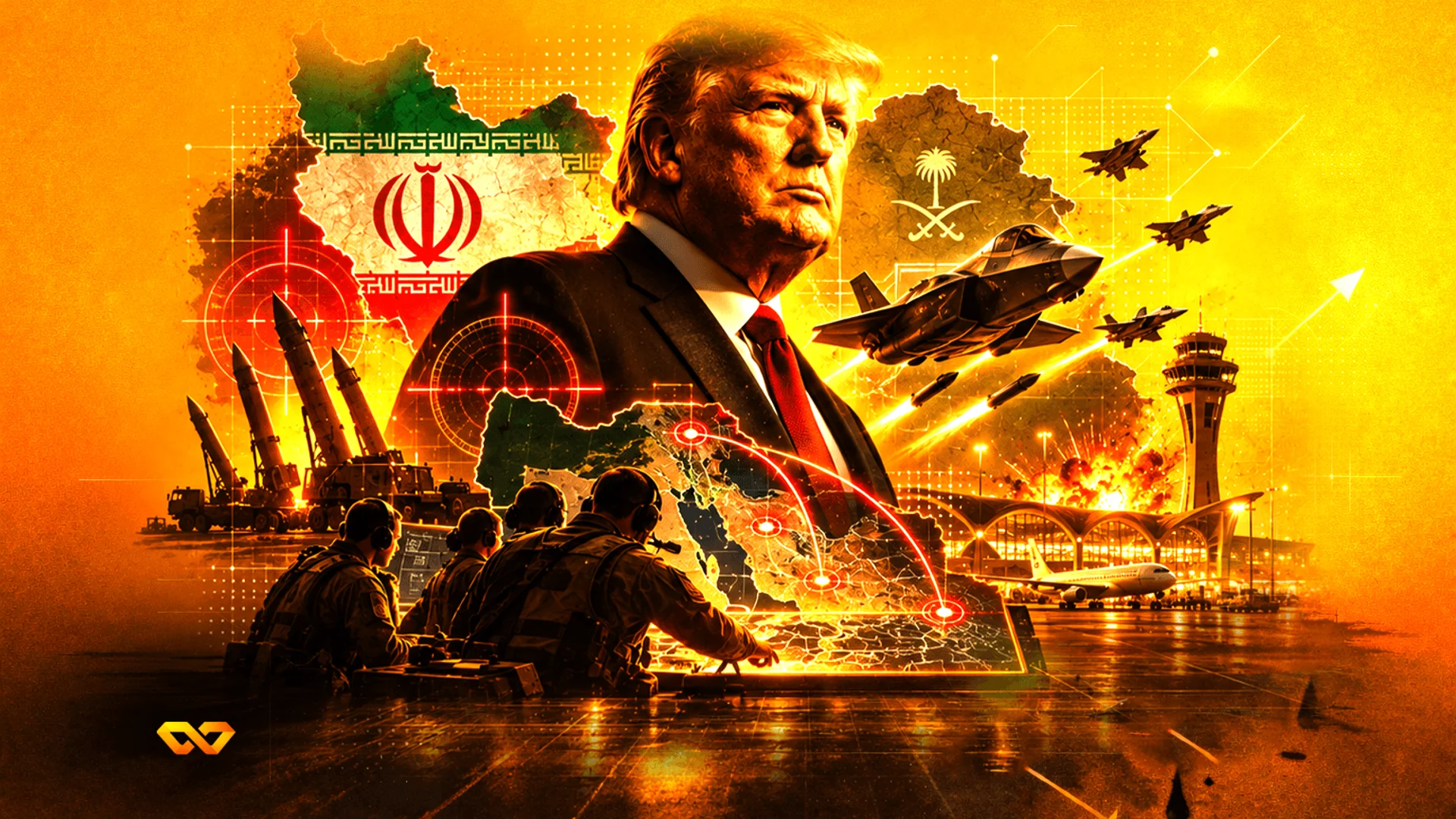
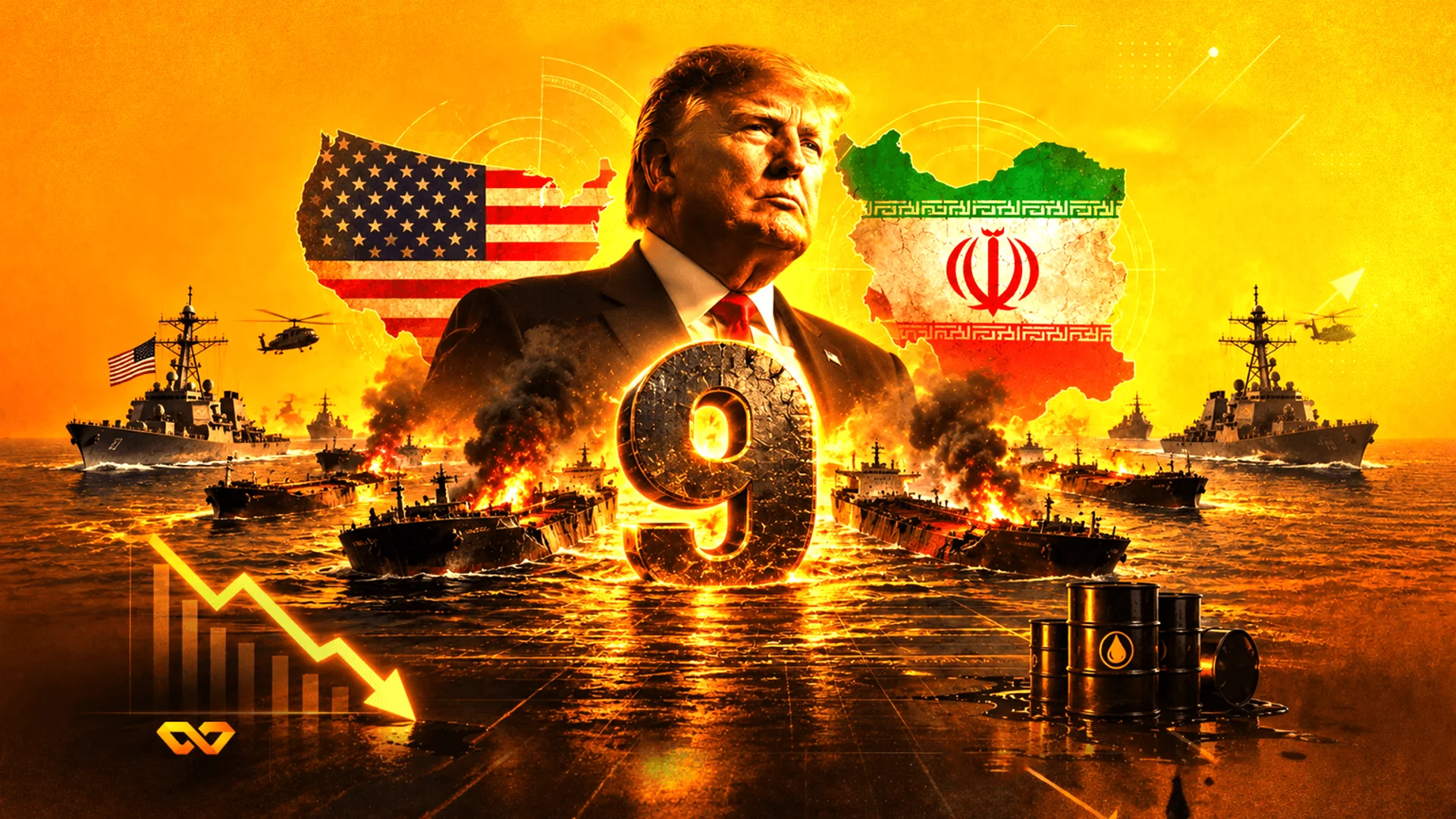
Tensions in the Strait of Hormuz escalated as the US continued military strikes against Iranian targets, while the IRGC threatened global energy lifelines. The Trump administration is reportedly considering major offensive options, including strikes on Iranian nuclear facilities, and has increased military support to Israel with additional refueling planes. Consequently, Brent crude prices surged over 4% to nearly $88 a barrel as tanker traffic in the Strait hit a three-week low and emergency reserves were significantly depleted.
US President Trump has threatened to impose tariffs on Brazil targeting the Pix payments platform, sparking a political storm ahead of the country's upcoming elections. The United States announced plans for these new tariffs while accusing Brazil of unfair trade practices. These measures are intended to replace previous tariffs that were struck down by the Supreme Court.
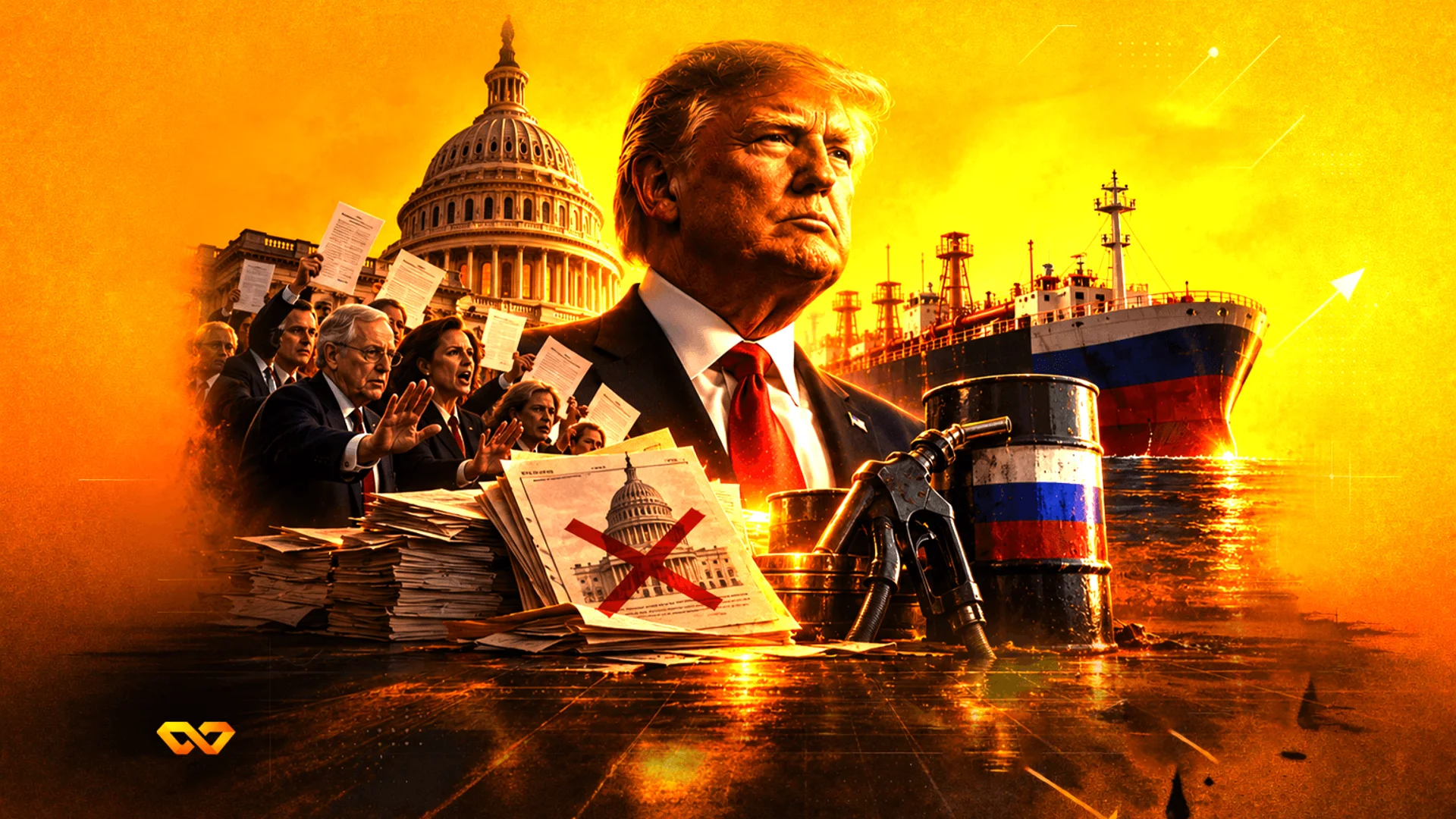
EU member states failed to reach an agreement on the 21st sanctions package against Russia due to internal opposition. Greece is blocking the measures to protect Dynagas, a shipping company specialized in transporting Russian LNG from Arctic projects. The EU currently faces a political standoff over the balance of sanctions between Russian oil and liquefied natural gas.
Regional mediation by Qatar, Oman, and Pakistan continues to address Tehran-Washington tensions, even as President Trump publicly threatened military strikes against Iran's 'Pickaxe Mountain' nuclear facility. Reports indicate the underground site is designed to produce 6,000 advanced centrifuges annually but remains non-operational. Subsequently, Iran informed the UN Security Council that US forces targeted a nuclear plant in Khuzestan province, asserting that the facility is strictly for peaceful purposes and under IAEA safeguards.
Oil prices rose and U.S. stock futures slipped on July 12 following tit-for-tat military strikes between the U.S. and Iran over the weekend. The two nations are currently disputing whether the Strait of Hormuz remains open to maritime traffic after the latest round of strikes. These events highlight increasing military tensions in the region and their immediate impact on global financial markets.
OpenAI and Google confirmed providing advanced AI services to Singapore-based subsidiaries of Alibaba, Baidu, and Tencent. Meanwhile, a new US sanctions bill includes provisions easing potential tariffs on China and India. Additionally, U.S. Treasury Secretary Scott Bessent reported a substantial decrease in China's purchases of Iranian oil.
On July 7, the U.S. launched strikes against Iran following oil tanker attacks, while the Trump administration revoked licenses for Iranian oil sales, driving crude prices higher. By July 11, the U.S. Treasury imposed fresh sanctions, leading Iranian Foreign Minister Abbas Araghchi to accuse Washington of violating a recent agreement. These events collectively increased the market risk premium amid escalating geopolitical tensions.
Iran resumed offensive operations in the strategic Strait of Hormuz on July 7, eventually announcing the closure of the waterway on July 12 following a naval incident. Despite these tensions, some global executives believe the worst of the energy shock has passed. Furthermore, certain companies are viewing the conflict as an opportunity to accelerate green initiatives and investments.
On June 30, Donald Trump's financial disclosure revealed over $1 billion in income from cryptocurrency deals, along with large sums from licensing and legal settlements. On July 8, AI Financial, the company behind the Trump family's crypto wealth, was in talks to sell its core business. The company had channeled more than $500 million to the Trumps prior to this abrupt reversal.