Track the evolution of major financial and economic events
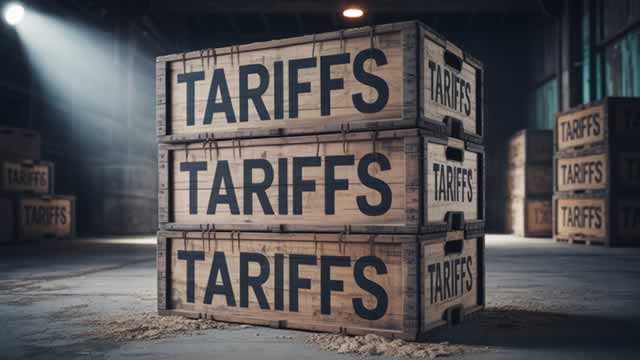
On May 6, President Trump announced plans to raise tariffs on cars imported from the European Union, highlighting the limited protection offered by existing trade deals. On May 8, Trump set a July 4 ultimatum for the EU to meet trade deal terms. On May 9, Trump threatened that all passenger vehicle imports from the European Union would face a 25% tariff starting next week.
Stocks started the week on a negative note due to rising tensions in the largely closed Strait of Hormuz. Iran warned the U.S. about being dragged back into a quagmire. Despite the geopolitical pressures, futures are pointing to small gains at today's market open.
The ongoing war in Iran is causing a global base oils shortage that is beginning to affect luxury vehicle drivers. Supercar engines rely on base oils for their ability to withstand extreme heat and high pressure. On May 4, shares of EU automakers slid after Trump announced that tariffs would rise to 25%.
On April 30, Trump revealed that he discussed a ceasefire in Ukraine with Russian President Vladimir Putin. On May 5, Russia announced it would observe a ceasefire with Ukraine on May 8 and 9, while Zelensky announced an earlier ceasefire starting on May 5-6. On the same day, the Russian military warned of major attacks on Kyiv if Ukraine targeted Moscow during Victory Day celebrations, and a Ukrainian drone hit a high-rise apartment building in Moscow.
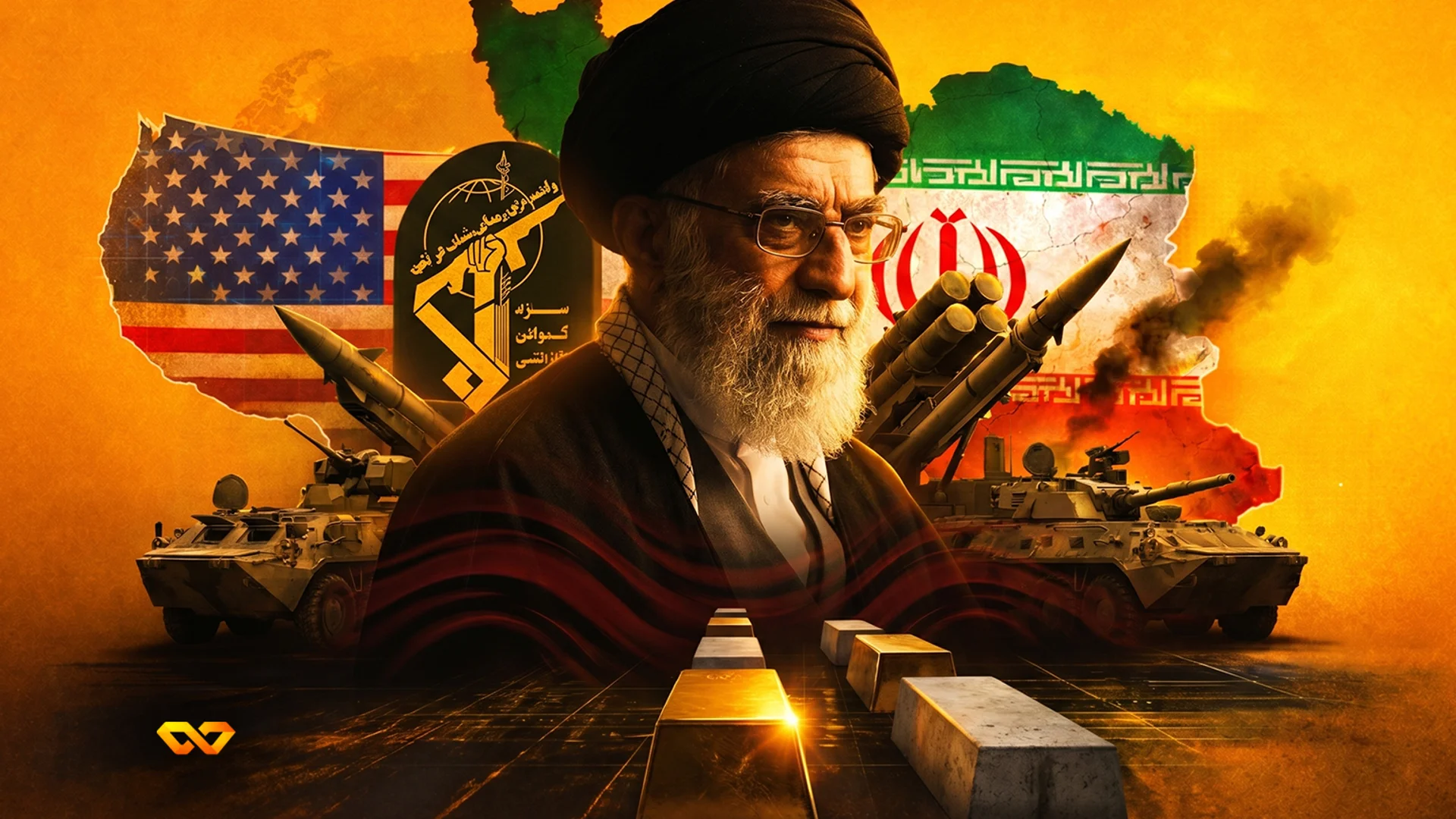
Gulf leaders convened in Saudi Arabia on April 28 to discuss a coordinated response to Iranian strikes. On April 29, the U.S. Treasury warned financial institutions about sanctions risks linked to Chinese refineries, as China purchases about 90% of Iran's oil exports. Tensions escalated with the U.S. conducting military strikes against Iran, while Iran proposed ending the war and lifting sanctions. On May 20, Xi Jinping called for a 'comprehensive ceasefire' in the Middle East.
On April 24, Chinese regulators instructed private tech firms to reject U.S. investment in funding rounds unless explicitly approved by the government. The guidance targeted AI startups including Moonshot AI and StepFun, as well as TikTok owner ByteDance regarding secondary share sales. These measures followed Meta's acquisition of AI startup Manus for over $2 billion, which triggered national security investigations. On April 27, China prohibited foreign acquisition of Manus and ordered involved parties to cancel the transaction. Additionally, Chinese battery maker CATL launched a $5 billion share offering in Hong Kong.
Reconstruction costs in Iran are estimated at approximately $270 billion, according to experts. Satellite analysis indicates that more than 7,600 buildings nationwide have been damaged or destroyed. Additionally, inflation in Iran is expected to rise above 70% due to the conflict.
On April 19, Iran re-closed the Strait of Hormuz, imposing transit restrictions until the US naval blockade is lifted. Reports indicate that Iranian Revolutionary Guard units fired warning shots at an oil tanker and a container ship. On the same day, Trump stated he still believes a deal with Iran is possible and will happen.
On April 19, President Trump declared a prohibition on Israeli strikes in Lebanon, leaving Netanyahu stunned. This coincided with the start of a US-brokered ceasefire. On May 7, Israel launched attacks on Beirut, indicating a potential resurgence of fighting between Lebanon and Israel and Hezbollah. On May 13, crude prices rose after Trump rejected Iran's counterproposal, while Israel sent the Iron Dome system to the UAE.
On April 17, Iran claimed to have established a blockade against US and Israeli vessels in the Sea of Oman. This was followed by escalating tensions, with the US ready to seize Iran-linked ships. On April 19, Iran closed the Strait of Hormuz, impacting Bitcoin's price, and Kuwait declared force majeure on oil shipments. On May 4, the US destroyed six Iranian boats, while the Iranian military fired missiles and drones at vessels. On May 15, Iran's foreign minister stated that current negotiations are suffering from a lack of trust.
Attention is focused on a second round of US-Iran talks, expected to yield significant results over the weekend. Markets continue to reprice based on peace prospects, fueling bullish sentiment among investors.
On April 17, the United States completed its military withdrawal from Syria, ending years of occupation in the oil and gas-rich northeastern sector. The US-backed Syrian Foreign Ministry declared that the state is fully capable of leading counter-terrorism efforts and has taken over military sites. This withdrawal follows a regime change, the fall of the Assad government, and the installation of Ahmed al-Sharaa as President.
Market optimism has surged due to de-escalation efforts in the Middle East. On April 17, reports indicated that the US and Iran are considering a two-week truce extension, while China is urging Iran to reopen the Strait of Hormuz to maritime traffic. Additionally, Israel is nearing a one-week ceasefire agreement with Hezbollah in Lebanon.
Markets are facing 'dramatic' volatility amid escalating tensions in the Iran conflict. Former NEC director Gene Sperling described this volatility as 'dramatic' and 'head-spinning'. The conflict is directly impacting energy sectors, inflation expectations, and global markets.
In the aftermath of the Iran conflict, experts warn of supply shocks and currency devaluation. On April 14, Brent Johnson noted that rationing and downstream effects on energy and food prices are already factored into the timeline. Marc Faber continued to argue that paper money is destined to fall to zero against the price of gold. Supply chain pressures are expected as ships take 10 to 45 days to reach their destinations, delaying the full impact of the conflict.
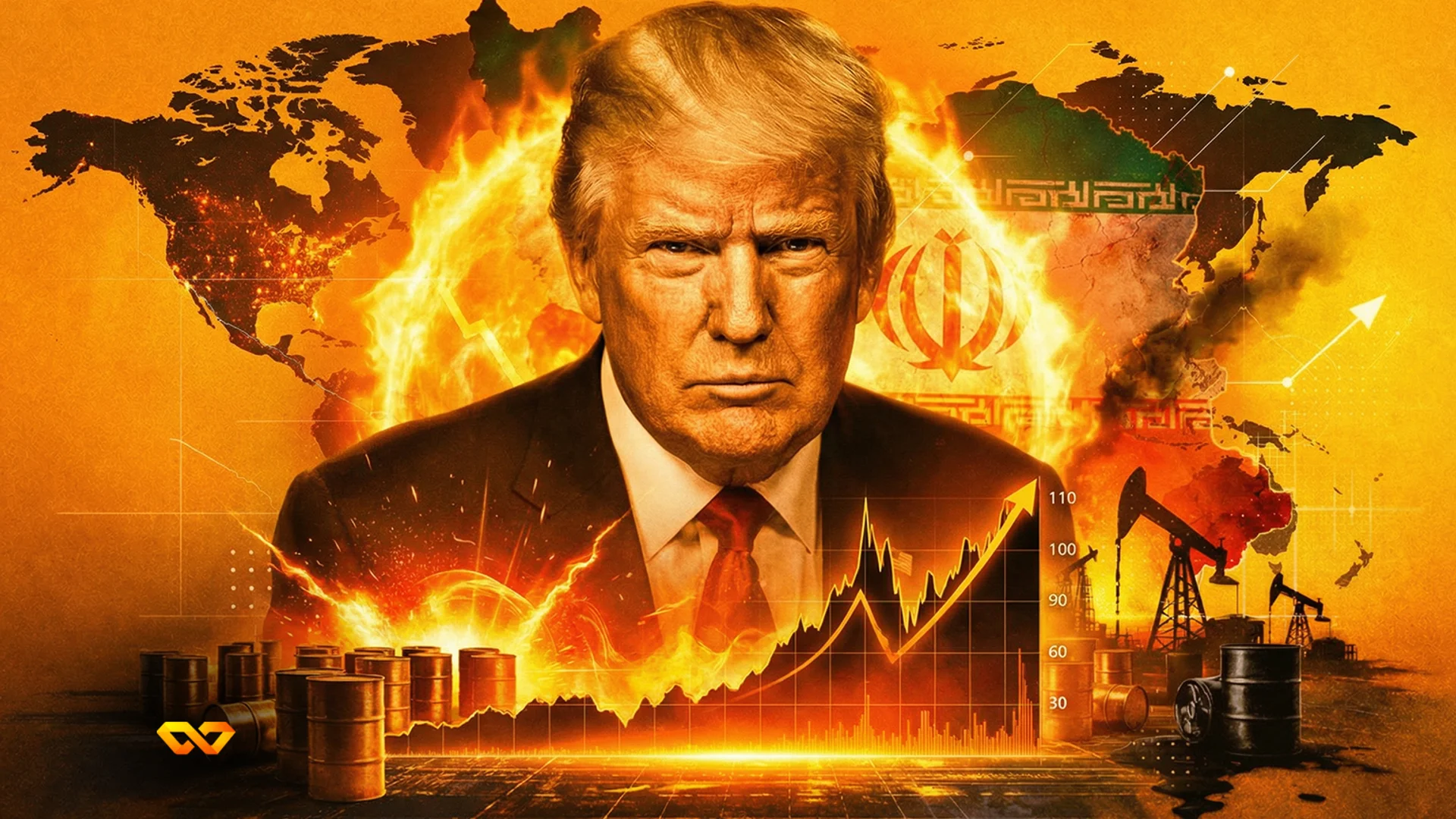
Rising tensions in the Strait of Hormuz have significantly impacted shipping, with Trump rejecting Iran's tolls on tankers. Following a breach by a Chinese-owned tanker, oil prices surged to $90. Amid these developments, Europe drafted an ambitious plan to free the strait, while California's gasoline inventories hit record lows. Despite Iran's announcement of reopening the strait, geopolitical tensions persisted, leading to its closure once more.
On April 14, the U.S. began imposing a maritime blockade on Iran-bound commercial ships to pressure Iran's nuclear program. Talks in Islamabad failed due to disputes over the nuclear program and control of the Strait of Hormuz. By April 16, the blockade was showing effectiveness, with the Iranian economy at risk of collapse within five weeks without oil tanker passage. Iranian cargo ships can be targeted for seizure in the Persian Gulf. Additionally, the U.S. will delay weapons deliveries to some European countries due to the Iran war, increasing pressure on U.S. defense stockpiles.
On April 7, the Kurdistan Democratic Party of Iran (KDPI) denied receiving weapons from the US, calling the reports baseless. On the same day, US President Donald Trump admitted in a Fox News interview that the US attempted to ship 'a lot of guns' to anti-government protesters in Iran. Israeli media reports also suggested that Mossad agents were on the ground in Iran to organize armed groups ahead of a US-Israeli bombing campaign on February 28.
On April 7, Saudi air defenses intercepted 7 missiles targeting the kingdom, raising supply concerns. Critical energy facilities were damaged, leading to a reduction in the kingdom's oil production capacity by about 600,000 barrels per day. On April 14, the SATORP refinery was shut down after being damaged, while US forces were prepared to strike Iran if necessary. On April 17, Iran confirmed targeting oil facilities including in Saudi Yanbu.
The upward momentum in U.S. markets stalled due to geopolitical tensions related to threats involving Trump and Iran. Investors rapidly withdrew funds from the largest US-listed ETF tracking Indian equities, leading to a significant drop in the NSE Nifty 50 Index. As Trump announced a naval blockade on all ships in the Strait of Hormuz, concerns over the global energy crisis increased, impacting the markets modestly.
Donald Trump issued dire national security warnings, sparking market volatility concerns. On April 6, Trump warned that the country could be at risk at any moment and emphasized his administration's commitment to leaving no American behind. On April 12, Trump began blockading the Strait of Hormuz following the collapse of peace talks with Iran, escalating tensions. He also threatened new tariffs on China if they assist Iran, acknowledging that gasoline prices might remain high through the November 2026 elections.
On April 6, Serbian President Aleksandar Vucic reported the discovery of high-powered explosives and detonators near a key pipeline transporting Russian gas to Hungary. The devices were found in the Vojvodina province in northern Serbia, near the Hungarian border. Hungarian PM Viktor Orban convened an emergency defense council meeting to discuss energy security.
On April 5, the U.S. military conducted an operation to rescue an F-15 pilot inside Iran. U.S. forces were compelled to destroy two of their own transport aircraft due to technical malfunctions. Additional aircraft were brought in to successfully complete the rescue mission.
In April 2026, global data centers faced threats from drones, prompting a shift towards AI-powered physical defenses. Major companies like Microsoft, Google, and Oracle heavily invested in protecting their infrastructure, while governments responded swiftly by approving laser systems to combat drones. Meanwhile, Ukraine showcased advancements in developing sophisticated unmanned platforms, reflecting a global race to secure technology against rising threats.