Track the evolution of major financial and economic events
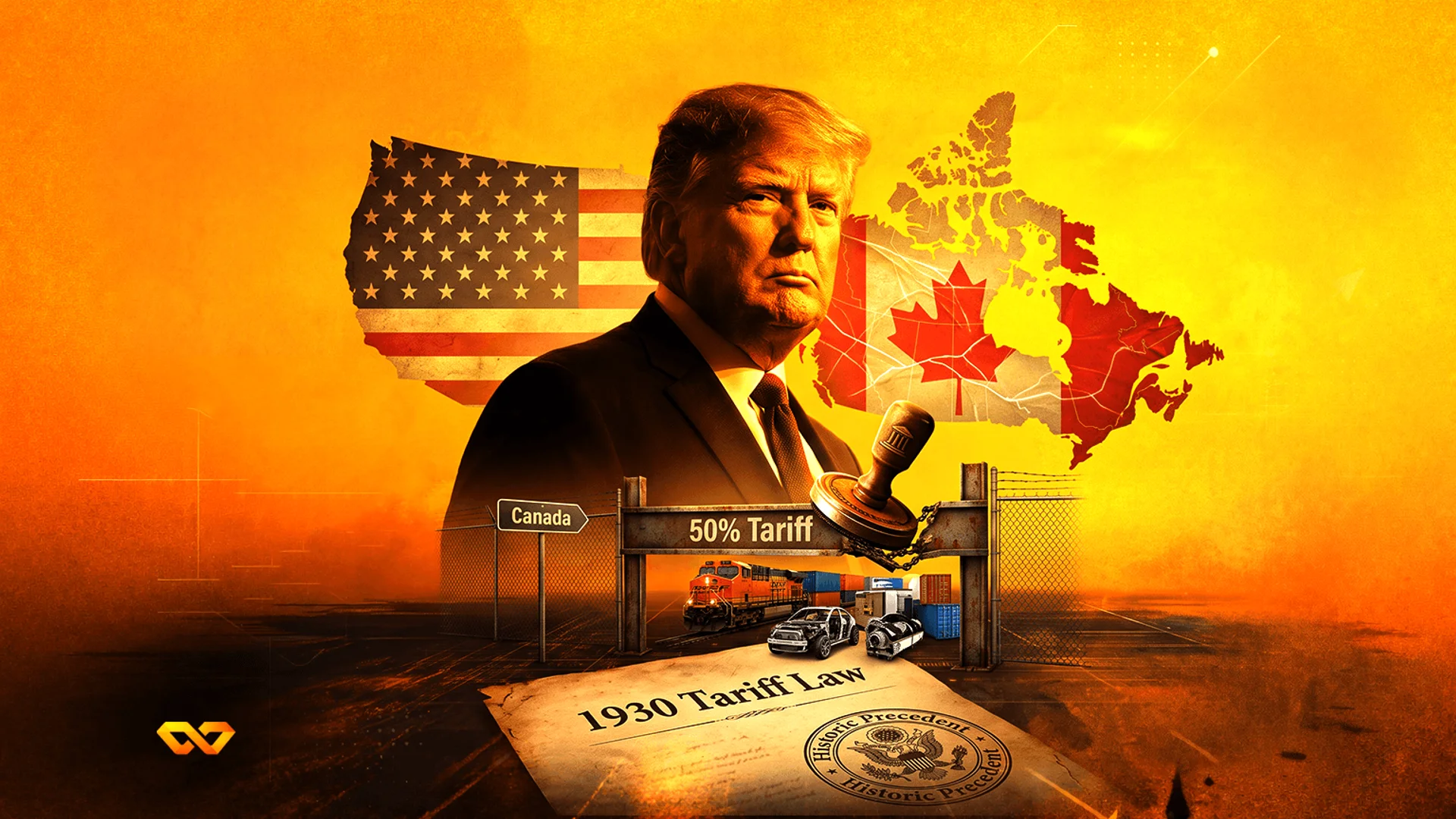
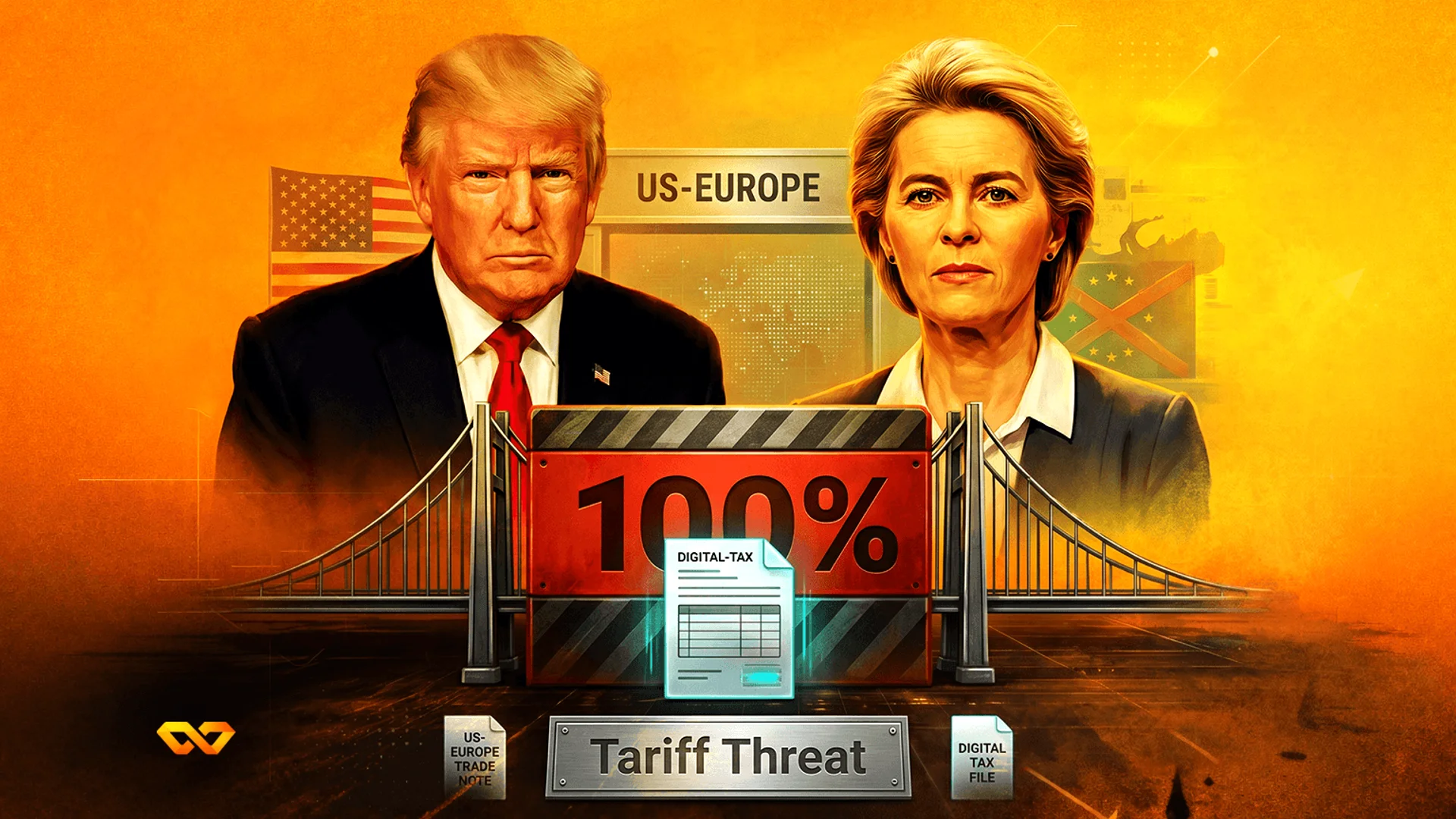
On June 26, President Trump threatened 100% tariffs on European imports over digital taxes, overriding a recently finalized trade deal with the EU. On June 27, he reiterated the threat to impose an immediate 100% tariff on European countries that impose a digital tax, superseding existing trade deals. On July 1, the EU announced the removal of tariffs on US industrial goods, and Ursula von der Leyen hailed transatlantic ties as 'most valuable'.
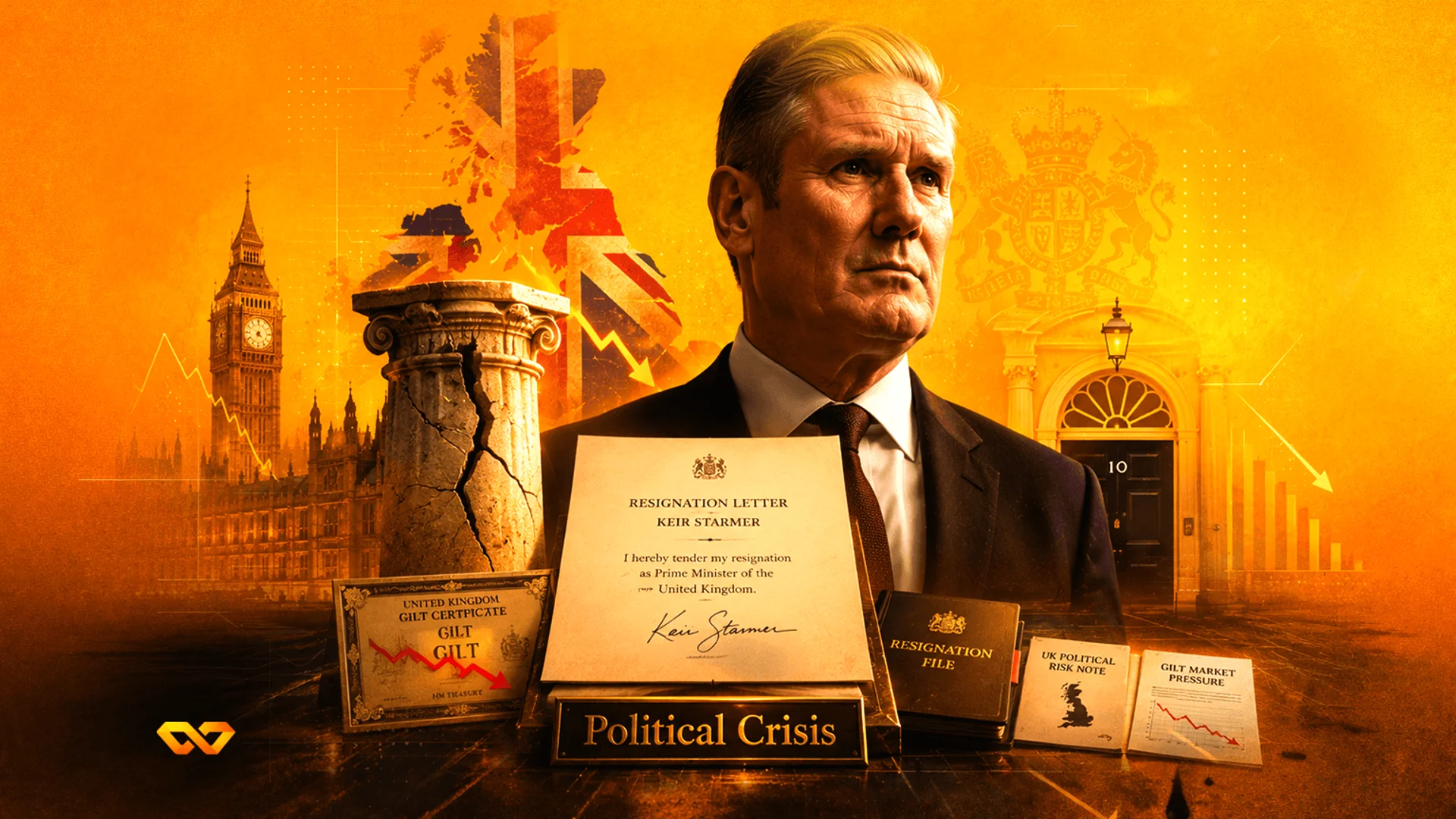
The Guardian reported that UK PM Keir Starmer is set to confirm his resignation on Monday, planning for an autumn departure. This announcement has led to growing political uncertainty within the United Kingdom. Consequently, the British pound has come under pressure in financial markets following the news of the Prime Minister's resignation.
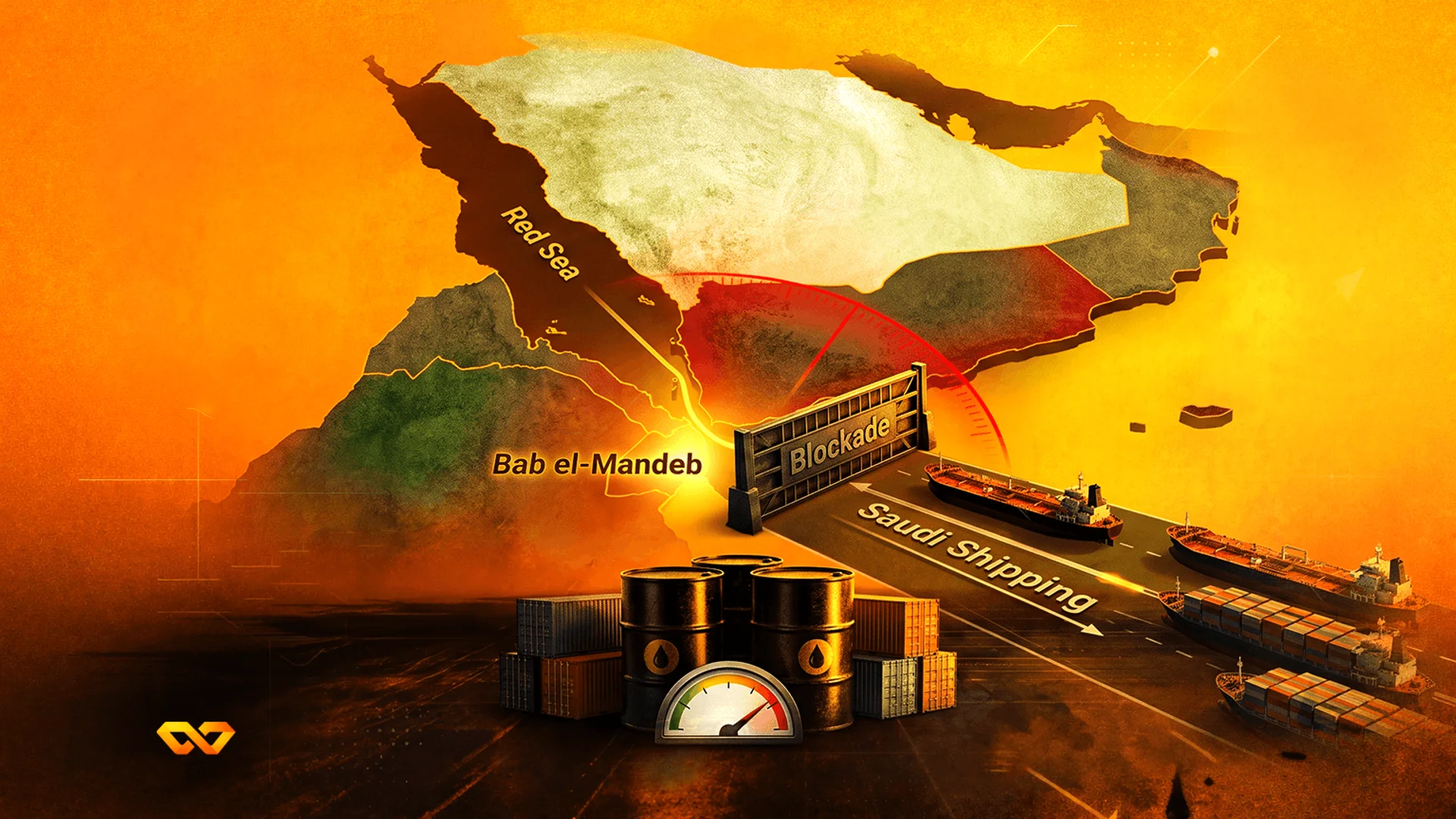
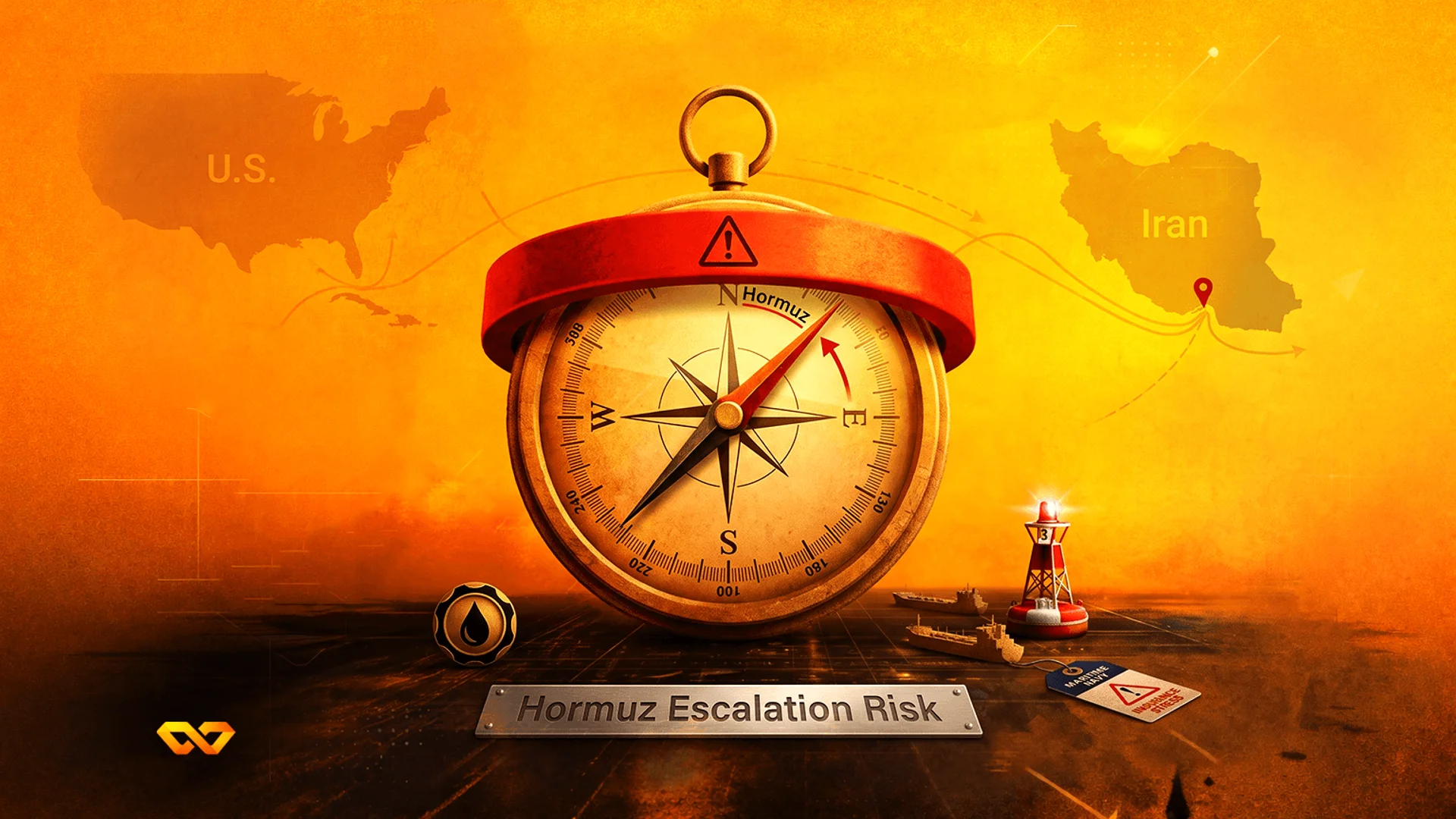
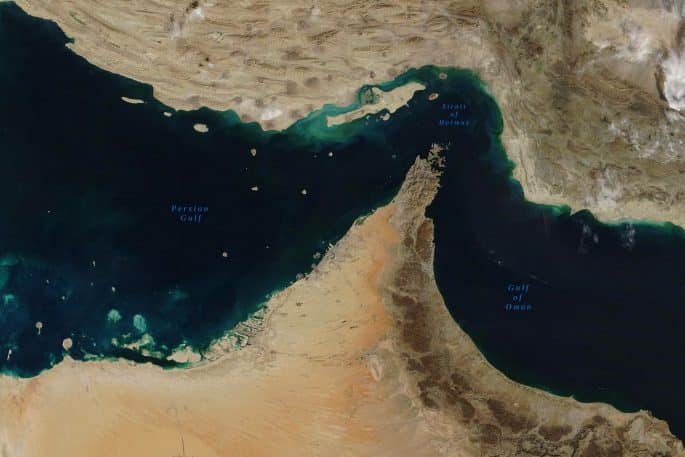
Maritime traffic through the Strait of Hormuz fell sharply following Iran's announcement that it had closed the strategic waterway. This repeated closure led to a significant slowdown in global shipping traffic. Consequently, the conflict and rising fuel prices have boosted consumer interest in electric vehicles across Europe.
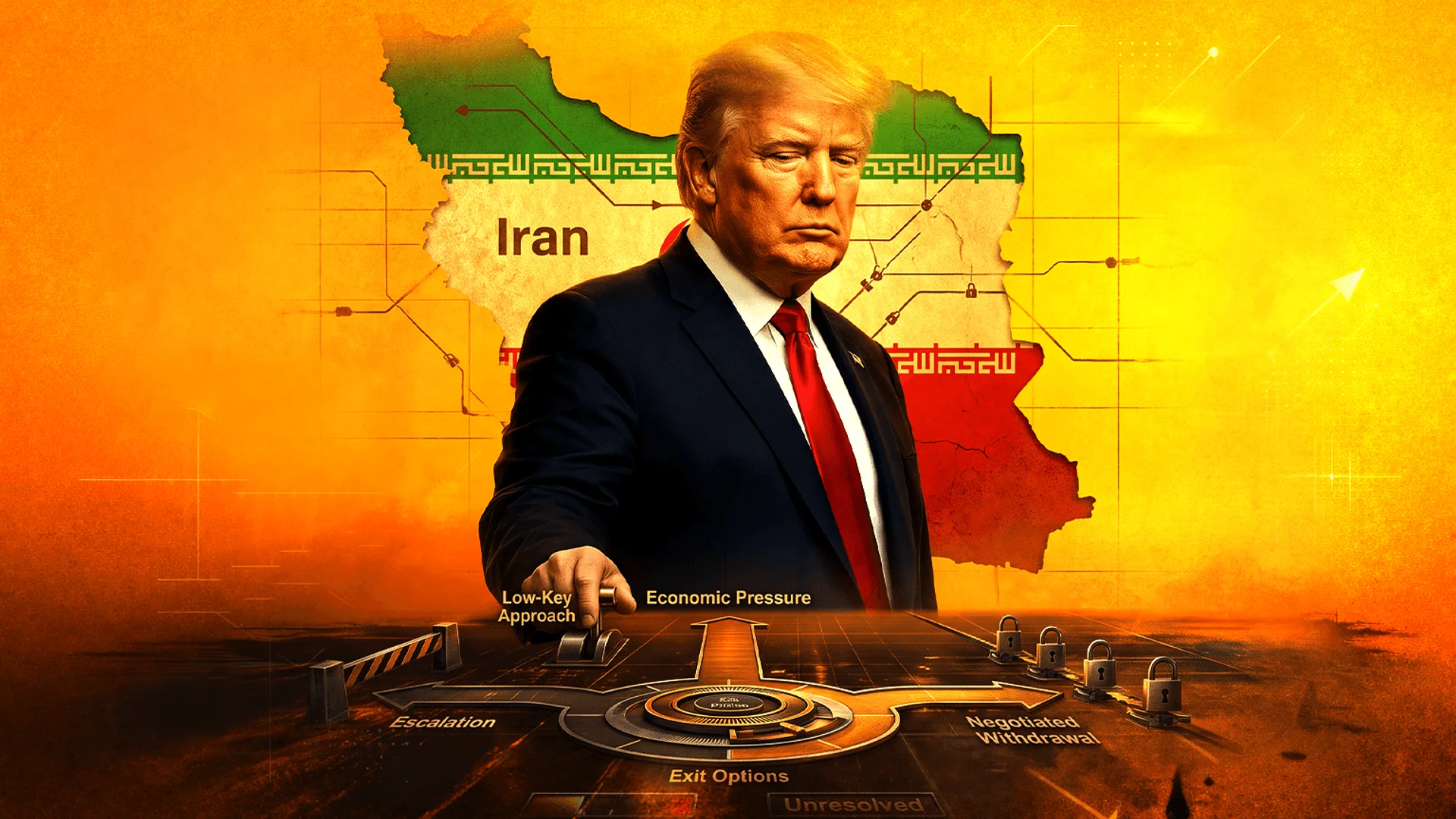
Nuclear experts have criticized a memo between the Trump administration and Iran, arguing it overlooks treaty violations in exchange for reversible actions like down-blending enriched uranium. Amid these concerns, Vice President JD Vance traveled to Switzerland and announced that Iran has agreed to grant IAEA inspectors access to its nuclear facilities. Technical talks mediated by Pakistan and Qatar are set to begin, while any unfrozen Iranian assets will remain under U.S. oversight for the purchase of American agricultural goods.
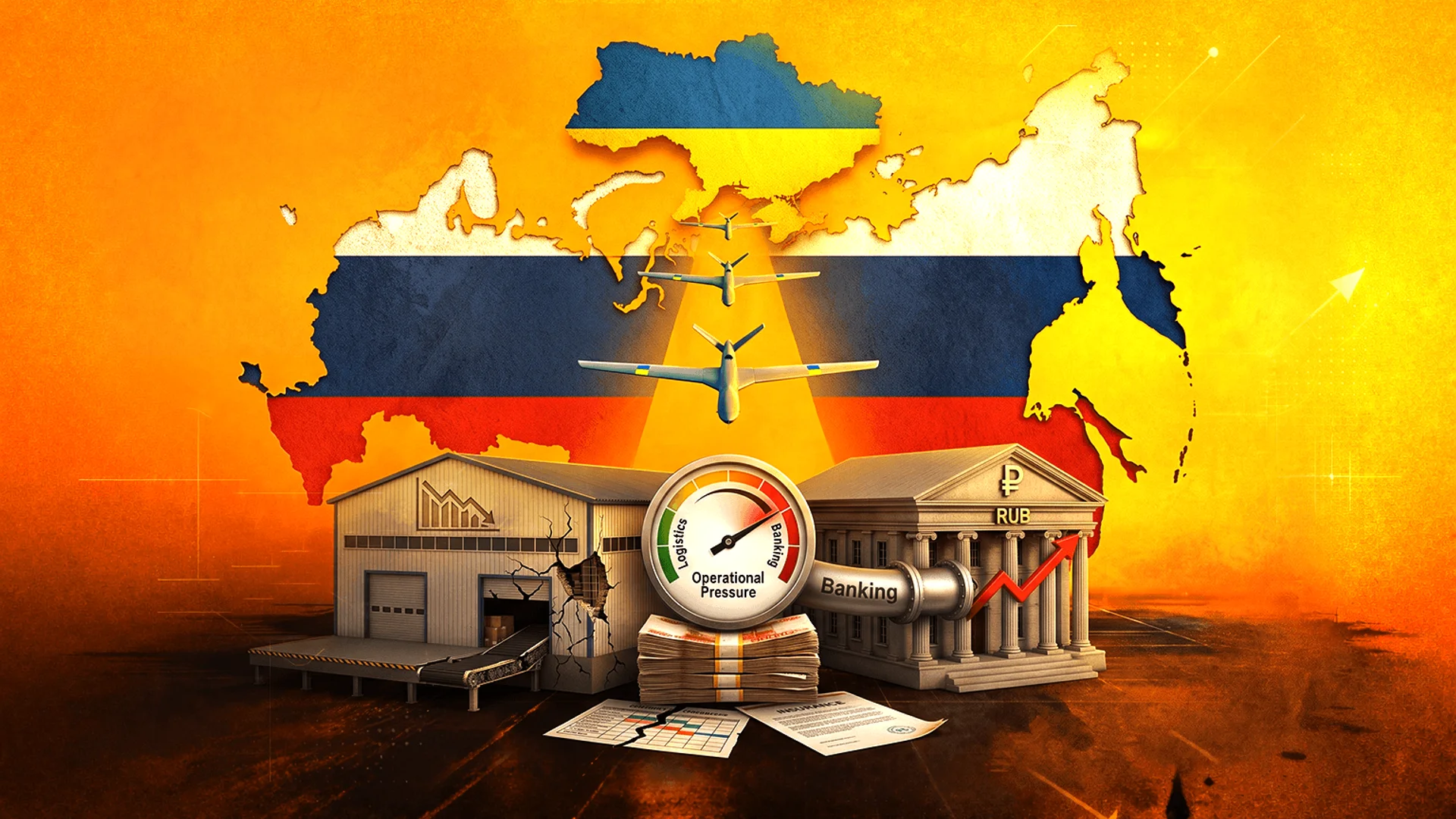
Ukraine launched a massive drone campaign targeting Gazprom Neft's Moscow refinery and fuel storage facilities, causing flight suspensions at four major airports and highway closures. The attacks expanded to the Tyumen refinery in Siberia, leading energy experts to predict inevitable fuel and gas shortages in the Moscow region. In response to the strikes, Russian Foreign Minister Sergei Lavrov warned of regular retaliatory group strikes against Ukraine.
US intelligence has warned that Iran possesses the capability to close the Strait of Hormuz at will, even as reports emerge of three Iranian tankers successfully bypassing a US blockade. Meanwhile, the Pentagon reportedly informed lawmakers that it requires $80 billion to fund a potential war with Iran and other related expenses. These events highlight increasing geopolitical friction and security concerns in the region.
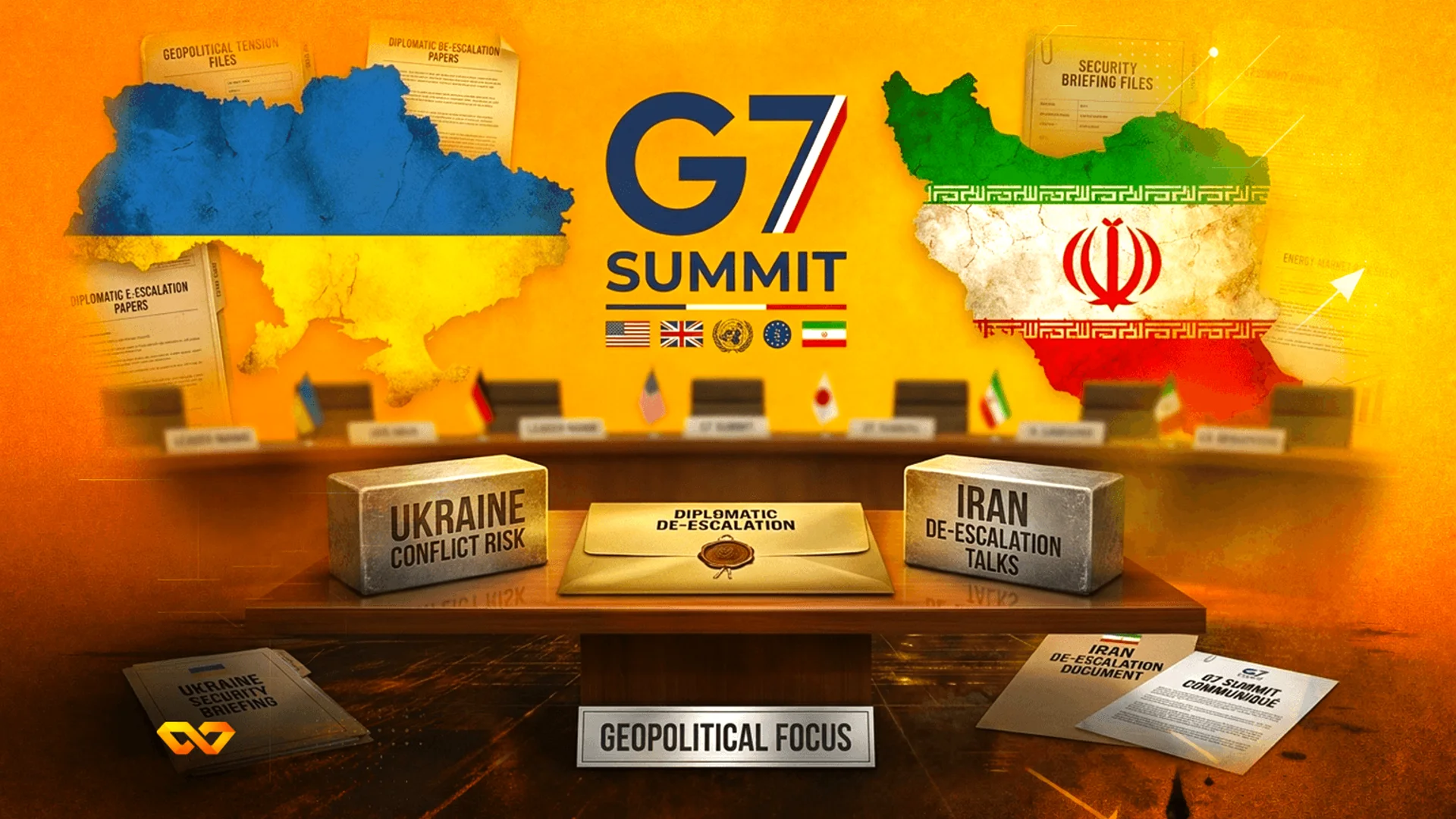
The G7 summit focused on the Ukraine conflict and a potential diplomatic deal between the U.S. and Iran. Following President Trump's address regarding the Iran deal at the summit, Bitcoin's price surpassed the $66,000 threshold. While the U.S. economy received a boost from declining oil prices and the start of the 2026 World Cup, it remains under strain from the Iran conflict despite ongoing peace negotiations.
A diplomatic breakthrough between the U.S. and Iran has triggered optimism across global markets. Despite this positive news, investors remain primarily focused on Middle East risks and Federal Reserve policies. The market sentiment reflects a cautious outlook amidst these evolving geopolitical and economic factors.
US stock futures initially rose in mid-June following President Trump's announcement of a deal with Iran. Markets later showed mixed performance as investors awaited the FOMC's decision on monetary policy. By June 23, major index futures declined following a mixed session, coinciding with the President's announcement of a 60-day waiver on Iran sanctions.
President Donald Trump announced a landmark U.S.-Iran peace deal to permanently reopen the Strait of Hormuz without tolls, triggering a massive global market rally. Major Asian indices, including the Nikkei 225 and Topix, jumped over 5% following the confirmation of a memorandum of understanding. The optimism extended to the technology sector, where Microsoft (MSFT) shares rose 1.92% and Meta (META) surged 4.47% in premarket trading.
The U.S. government is unlikely to extend AI export controls currently affecting Anthropic to other firms like OpenAI. Anthropic recently suspended the release of new tools, such as the Claude Fable 5 model, following government concerns over potential cybersecurity and hacking risks. Senior technical staff from Anthropic are scheduled to meet with White House officials next week to resolve the dispute and bring their advanced AI models back online.
The US dollar declined and oil prices slipped after President Trump halted planned military strikes against Iran. Meanwhile, U.S. stock futures rose following the cancellation of the military action. These movements reflect the financial markets' response to the de-escalation of tensions.
President Trump downplayed Iranian drone attacks on US bases in Kuwait and Bahrain, characterizing them as reciprocation for previous US military actions. The attacks struck Kuwait International Airport, resulting in one death and over 60 injuries, though Iran denied responsibility for the civilian casualties. On June 11, geopolitical tensions eased after Trump called off retaliatory strikes, citing a potential peace deal. This de-escalation triggered a significant market rally, with the Dow Jones jumping 800 points and chip stocks rebounding, while oil prices declined.
US-Iran ceasefire talks have stalled as Iran's chief negotiator Ghalibaf claimed that the naval blockade and escalation in Lebanon are evidence of US noncompliance with the ceasefire. Meanwhile, Senator Rubio indicated that there is a prospect that Iran has agreed to negotiate aspects of their nuclear program that they previously refused to mention.
On May 30, a missile interception in Kuwait resulted in falling debris that injured five people, including US contractors and active-duty personnel. On June 3, Iranian drones and missiles struck Kuwait International Airport, killing one person and injuring several others. On June 4, the U.S. House of Representatives passed a Democratic resolution to block U.S. military action against Iran, requiring President Trump to either end military operations or seek explicit congressional approval to continue.
On May 29, U.S. President Donald Trump announced the immediate lifting of the naval blockade in the Strait of Hormuz with no tolls. The agreement includes a 60-day extension of the U.S.-Iran ceasefire and the destruction of unearthed uranium. Following this geopolitical announcement, Bitcoin price surged above the $74,000 level.
On May 29, NATO officials warned of Russian escalation targeting Europe's energy infrastructure, including gas pipelines and subsea electricity interconnectors. On June 4, Russia banned jet fuel exports until November 30, 2026. Ukrainian drone attacks on Russian refining infrastructure have pushed Russia's crude-processing rate to the lowest in over 16 years.
On May 28, Iranian state media reported that a US aircraft was destroyed in the Bushehr region, but there was no confirmation from the United States. On May 30, Iranian missiles targeted Kuwait's Ali Al Salem Air Base, injuring five Americans and destroying a drone. On June 1, the US acknowledged that one of its F-15E aircraft was shot down, marking a significant escalation in tensions between the two countries. Additionally, there are reports that Iran may block shipping in the Strait of Hormuz.
On May 26, Israel conducted heavy strikes on Lebanon and expanded its ground operations. On May 30, Hezbollah carried out 22 military operations against Israeli army positions, and rockets were launched from Lebanon towards Western Galilee. On May 31, Prime Minister Benjamin Netanyahu confirmed he instructed the military to increase pressure on Hezbollah, while oil prices rose over 2% following Israeli troop movements. On June 2, Israel's defense minister threatened there would be 'no calm in Beirut' if Hezbollah's attacks continued.
On May 22, the US Pentagon announced a temporary pause on a $14 billion arms package for Taiwan. Acting Navy Secretary Hung Cao cited the need to ensure missile and interceptor stockpiles for the war with Iran as the reason for the pause. Reports suggest that Beijing is pressuring the Trump administration by withholding approval for Pentagon visits until the arms deal is decided.
On May 16, President Trump stated that he discussed Nvidia's H200 chips with Chinese President Xi Jinping during talks in Beijing. On the same day, Figma reported earnings results that defied fears of AI disrupting the design software stack.
On May 13, Vietnam's state oil company urged the US Navy to allow a tanker to pass through a blockade. This request comes as part of the company's efforts to ensure the continuity of oil supplies amid regional tensions.
The closure of the Strait of Hormuz has halted construction projects globally due to shortages of oil-derived products, leading to a sharp rise in raw material costs. Oil prices have surged significantly, while major energy companies predict that prolonged closure will result in a global supply crisis. Meanwhile, Iran has launched a digital insurance platform to ensure safe passage for vessels through the strait, reflecting ongoing tensions in the region.
On May 13, European Council President António Costa stated that the EU needs to talk to Russia at the right moment to address common security issues. On the same day, Russian President Vladimir Putin hinted that the Ukraine conflict may be nearing its end but insists on settled peace terms before any meeting. Additionally, the US is withdrawing 5,000 American troops from Germany amid President Trump's criticisms of NATO.