
IRGC says gas tanker exploded after striking a mine in Strait of Hormuz
Key Facts
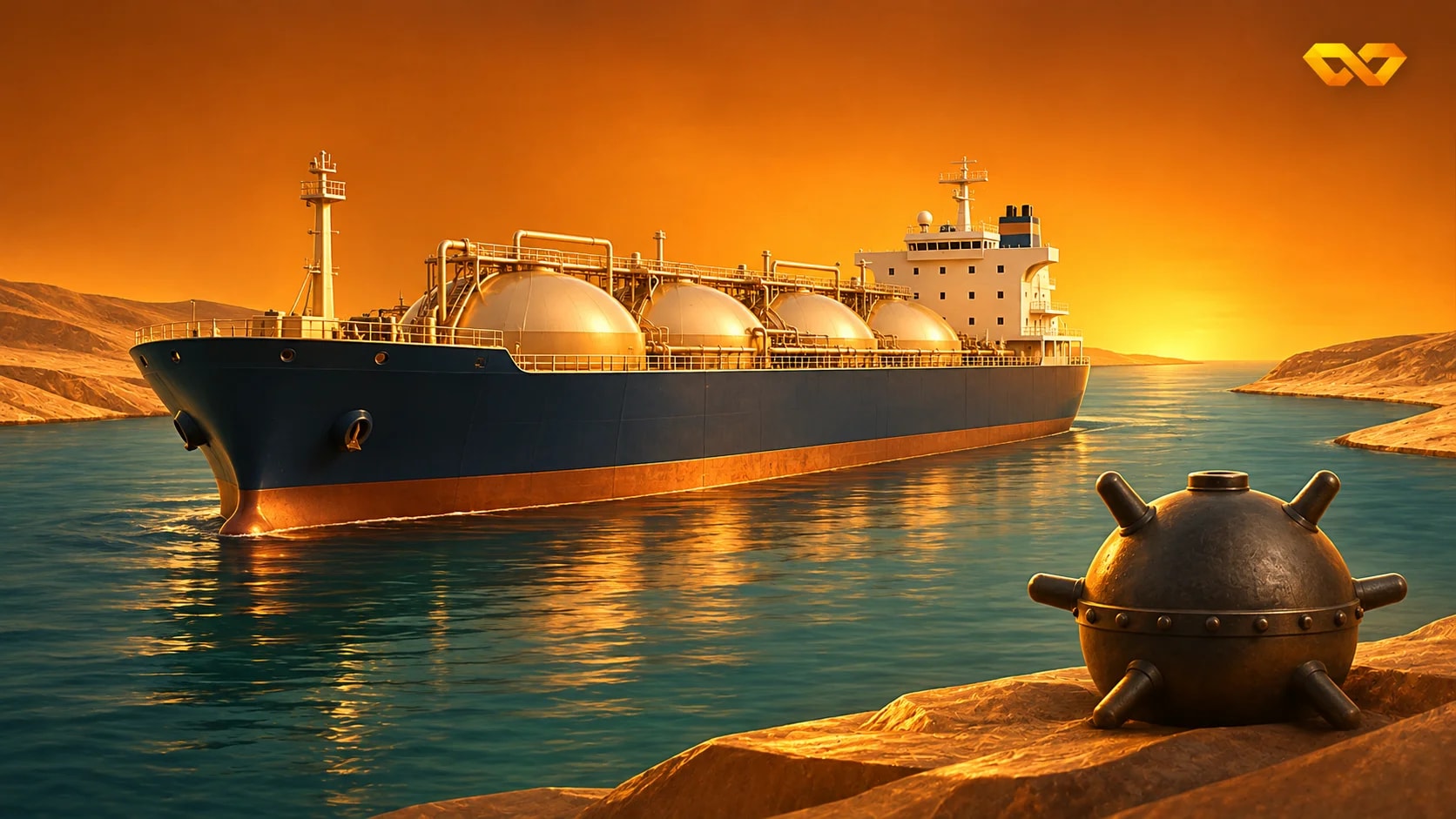
Iran’s Islamic Revolutionary Guard Corps said Friday, November 13, that a liquefied petroleum gas tanker struck a sea mine and exploded while attempting to transit the Strait of Hormuz. The Associated Press quoted the Guard as saying the incident occurred in the eastern part of the strait and that the vessel ignored repeated warnings during its passage. The announcement places a gas cargo among the reported risks facing shipping in a major energy transit corridor. The agency said the claim could not be independently verified. The explosion and its cause, as described in the report, therefore remained attributed to the Guard’s account.
The Guard said the tanker struck a mine, causing the explosion, and used the specific cargo description liquefied petroleum gas. The Associated Press quoted it as saying: "A liquefied petroleum gas tanker struck a mine, causing an explosion." It added that the Guard said the vessel ignored repeated warnings as it crossed the eastern section of the corridor. These details give the official account a sequence of events and a general location within the strait, but the available information adds no name for the vessel or other identifying details. The report did not include an independent explanation for why the tanker entered the route or what kind of warnings it received.
The report comes amid a broader maritime security situation. The Associated Press cited the International Maritime Organization as saying that about 134 incidents had occurred in the Strait of Hormuz and the wider Middle East maritime region through November 11. The organization said 25 seafarers had been killed, while others were injured or remained missing. Those figures cover the period before Friday’s announcement and are not a toll from the incident described by the Guard. They place the report against a backdrop of repeated maritime incidents and human casualties before the announcement date. The tanker explosion account itself remains unconfirmed independently, according to the agency.
The strait’s importance to energy markets stems from the volume of flows that passed through it in earlier periods. The U.S. Energy Information Administration estimated average oil flows through Hormuz at about 20.9 million barrels per day in the first half of 2025. The agency said that was equivalent to about 20% of global petroleum liquids consumption and a quarter of seaborne oil trade. Those percentages apply to the period covered by the agency’s estimate and do not describe flows on November 13. Because seaborne oil trade depends on the corridor, any disruption to shipping there draws attention from energy markets, even when a report concerns a vessel carrying gas rather than oil.
Energy Information Administration estimates show a significant change in average oil flows through the strait between two later periods. The average was 21.6 million barrels per day in the fourth quarter of 2025, then reached 4.9 million barrels per day in the second quarter of 2026. These are figures for earlier quarters, not a measure of transit on the day the Guard reported the tanker incident. The decline between the periods provides context on changes in oil flows through Hormuz during 2026, while the available information gives no figure for flows on Friday. The report’s effect on shipping or energy prices therefore remains unspecified in the information provided.