
Brent Falls 16% on the Week to $93.27 as Markets Await Washington-Tehran Talks
Key Facts
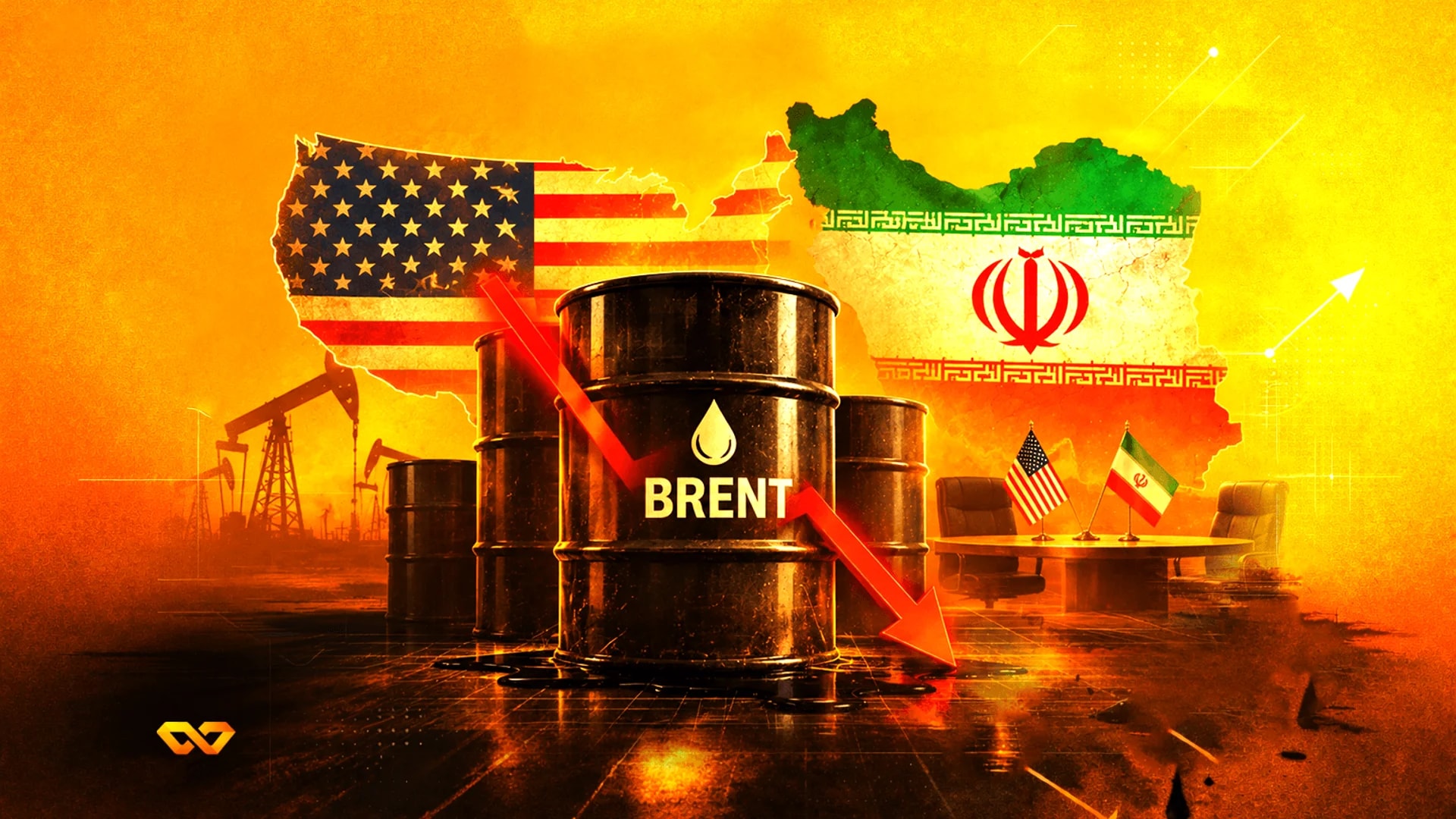
Brent futures fell 5.2% to $93.27 a barrel by 1427 GMT on Monday, after touching $93.21 earlier in the session, extending losses from the previous week, when they fell 16%. Reuters said the weekly decline was the steepest since the start of the COVID-19 pandemic, and that crude touched $93.22 during the week, its lowest level in two months. U.S. West Texas Intermediate crude fell 4.5% to $86.71 a barrel in the same session. The decline came as investors watched the course of talks to end the conflict between the United States and Iran. That repriced some of the war-related risk premium, while disruption to shipping in the Strait of Hormuz remained a counterweight to any bet on de-escalation.
U.S. President Donald Trump said on Sunday it was "highly unlikely" he would order new strikes on Iran as long as talks aimed at ending the conflict were progressing. Reuters reported that both countries also said shipping had been hit in or near the Strait of Hormuz. The conflicting developments left the market facing two simultaneous possibilities: a reduced risk of the confrontation widening if talks continue, and ongoing risks of shipping disruption if maritime incidents resume. Ole Hansen, head of commodity strategy at Saxo Bank, said oil was falling on hopes for a U.S.-Iran peace deal, "not because of tangible signs of progress." That means the price move was based more on political expectations than on an announcement of actual progress in negotiations.
Alongside the political impact, a UBS analyst pointed to weakness in the physical market, supported by continued high flows from the Middle East, as a factor weighing on prices. A Morgan Stanley report also said dated Brent had fallen to a discount to the front-month Brent contract, signaling softness in the physical delivery market. These indicators add pressure from supply and physical trade to the de-escalation bets, rather than making the decline solely a reflection of political developments. JPMorgan estimated a global oil-market surplus of 1.4 million barrels a day in October, according to a bank report the previous week. That estimate puts ample supply among the underlying factors accompanying the recent price decline.
Oil had surged after the war in Iran began, driven by supply disruptions and uncertainty over the course of the conflict, the Associated Press reported. The agency said oil had begun flowing again through the Strait of Hormuz, with the U.S. Navy escorting international tankers. On November 4, Brent fell below $95 a barrel, its lowest level in two months, according to the agency’s report published the following day. This comes amid a retreat from levels tied to supply concerns, as some flows resume and the market remains sensitive to any developments near the strait. In the United States, nonfarm payrolls rose by 165,000 in October, while the unemployment rate remained at 4.1%, according to the Bureau of Labor Statistics; the Associated Press linked the strong hiring to potentially greater confidence among Federal Reserve officials in the labor market’s resilience and a focus on inflation ahead of the December meeting.
Details of the jobs report showed an increase of 70,000 jobs in professional and business services, 42,000 in health care and 19,000 in manufacturing in October. Average hourly earnings rose 0.4% from September, while Labor Department revisions lifted total employment in August and September by 84,000 from previous estimates. These figures provide economic context that markets are tracking alongside oil developments, without directly changing the supply and shipping factors that weighed on crude. U.S. inflation was 3.7% year over year in September, while the Consumer Price Index rose 0.6% month over month. The October reading is due on November 10 at 08:30 a.m. Eastern time, according to the Bureau of Labor Statistics’ schedule.
Oil flows through the Middle East and the Strait of Hormuz remain a near-term focus for market watchers. The U.S. Energy Information Administration said it assumes oil-flow restrictions from the Middle East will continue during the fourth quarter of 2026, while expecting convoys through the Strait of Hormuz and alternative export routes to help increase production and exports during the forecast period. In its October estimate, the agency projected an average spot Brent price of $105 a barrel in the fourth quarter, $14 higher than its forecast the previous month. On organized supply, the seven countries participating in the OPEC+ agreement decided to keep December production at the required production levels for September 2026. The group set November 29 for its next meeting.