
China Extends Suspension of 24% Tariff on US Imports for Two Months, Keeps 10% in Place
Key Facts
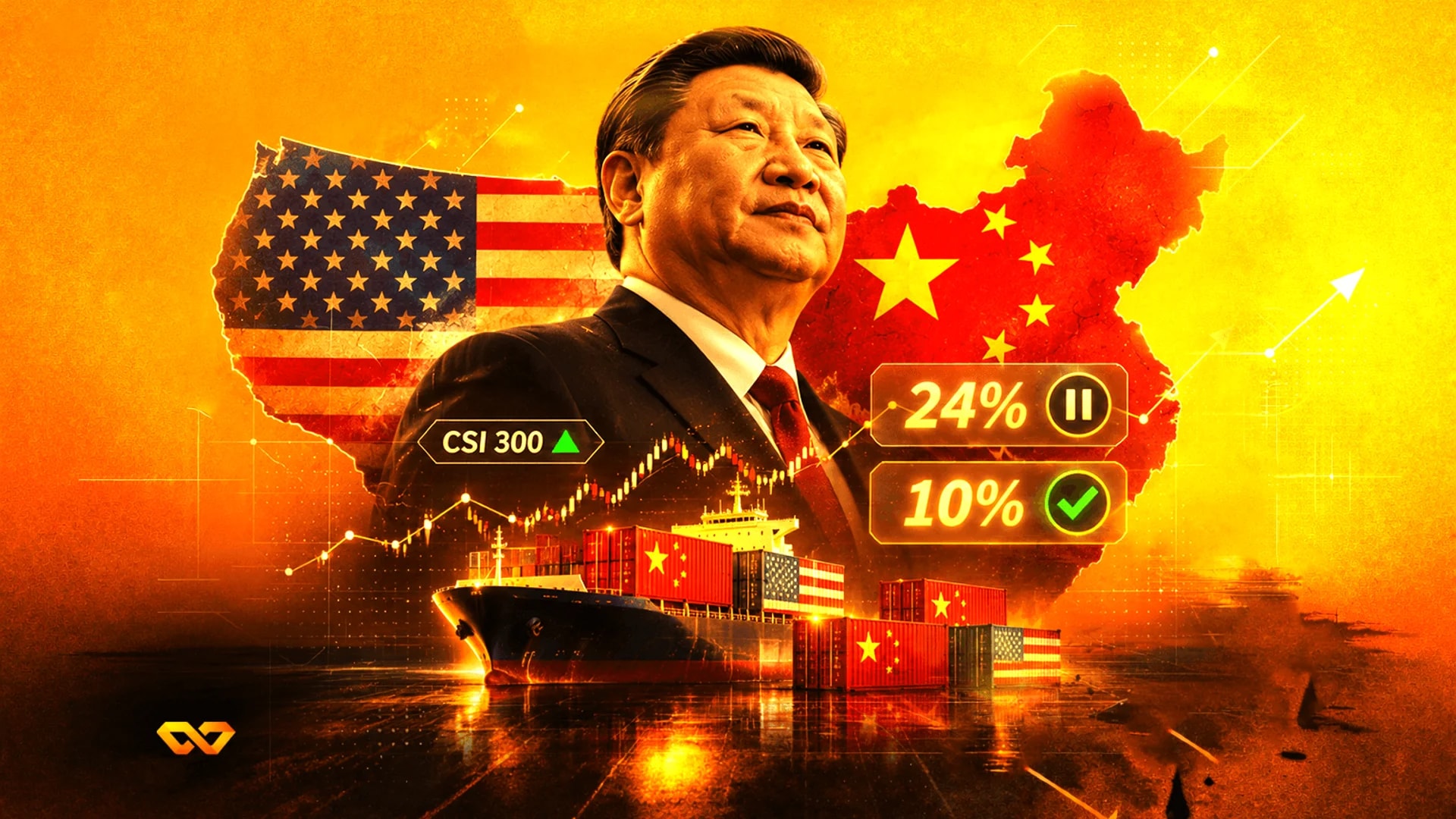
China’s State Council Tariff Commission kept the additional 24% tariff on US imports suspended for two months, while maintaining an additional 10% tariff, in a decision effective from 13:01 Beijing time on November 10, 2026. The commission announced the decision on November 9, saying it implements understandings reached by the two countries. The extension postpones the return of the higher rate during the two-month period, but does not eliminate the 10% tariff. The commission said the step provides companies with a “relatively stable and predictable policy environment.” It added that it supports stability in economic and trade relations between China and the United States.
The tariff suspension is being extended as parallel measures agreed by the two countries under the Kuala Lumpur understanding continue. China’s Ministry of Commerce said the parties agreed to extend the economic and trade arrangement until January 10, 2027, allowing discussions to continue and implementation to be assessed. China also extended the suspension of special port fees on US-linked vessels until that date, Reuters reported. It also kept in place the suspension of measures targeting 11 US companies on the Unreliable Entity List and 16 companies on the export-control watch list until January 10. That sets a timeline for these parallel measures, while the suspension of the 24% tariff remains limited to two months from November 10.
The September arrangements include tariff cuts on imported products worth about $30 billion from each side, with the reductions to take effect simultaneously after domestic procedures are completed. China’s Ministry of Commerce said tariffs on about 90% of the products covered from each side would be reduced to most-favored-nation rates. This means tariffs on that share will be lowered to the specified rates, not that all covered products will fully move to those rates. The lists were published on September 28, the Associated Press reported, while the ministry’s announcement tied implementation to the completion of domestic procedures. After the September summit, the two countries proposed a package of reciprocal cuts worth $60 billion, including about $17 billion in US agricultural goods imported by China in 2024, but Reuters said on November 9 that the plan had not been finalized.
Follow-up items include an agricultural working group that the parties agreed would hold its first meeting before the end of 2026 to discuss reciprocal market access and agricultural product regulation. They also agreed to hold the next round of their artificial intelligence dialogue by November 2026, without specifying a meeting date, and to establish a channel for communication on AI-related incidents. In September, US Treasury Secretary Scott Bessent said a two-month extension of the trade truce gives both sides “more time to see what we can accomplish on the economic front.” Chinese President Xi Jinping and US President Donald Trump are due to meet at the APEC leaders’ summit in China during the week after the November 9 announcement, Reuters reported. These dates come as implementation of the tariff cuts remains tied to completion of domestic procedures.
Beijing is also monitoring a US investigation under Section 301 into manufacturing capacity and excess production in manufacturing sectors. The US trade representative announced the launch of the investigations on March 11, 2026, covering China, the European Union and 14 other economies, or 16 economies in total. Washington said the investigation examines whether foreign economies’ practices are unreasonable or discriminatory and restrict US commerce. China’s Tariff Commission said it would monitor US steps related to replacing tariffs under the International Emergency Economic Powers Act with Section 301 tariffs, and would adjust countermeasures “in a timely manner in light of developments.” The commission did not specify a date for any adjustment, while the investigation remains a separate track from the extension of the Chinese tariff suspension.
These understandings are taking place against the backdrop of a large Chinese trade surplus. The surplus stood at $1.2 trillion in 2025 and reached about $800 billion through August 2026, according to the Associated Press, citing an investment strategy. In later data cited by the agency, Chinese exports rose 36.3% year over year in September, compared with 25% growth in August, and the monthly surplus was $133.5 billion. The surplus for the first nine months of 2026 reached about $938.1 billion, putting it on track to exceed the annual record set in 2025. Meanwhile, the International Monetary Fund cut its forecast for China’s economic growth in 2026 to 4.5%, 0.1 percentage point below its previous estimate, saying export strength had not fully offset weak domestic demand. Alongside the extension of the tariff suspension, China extended exemptions from export controls on certain critical minerals and related technologies until January 10, 2027, Reuters reported.