
Tesla Shares Fall 10.77% to $343.69 as NHTSA Scrutinizes Cybercab
Key Facts
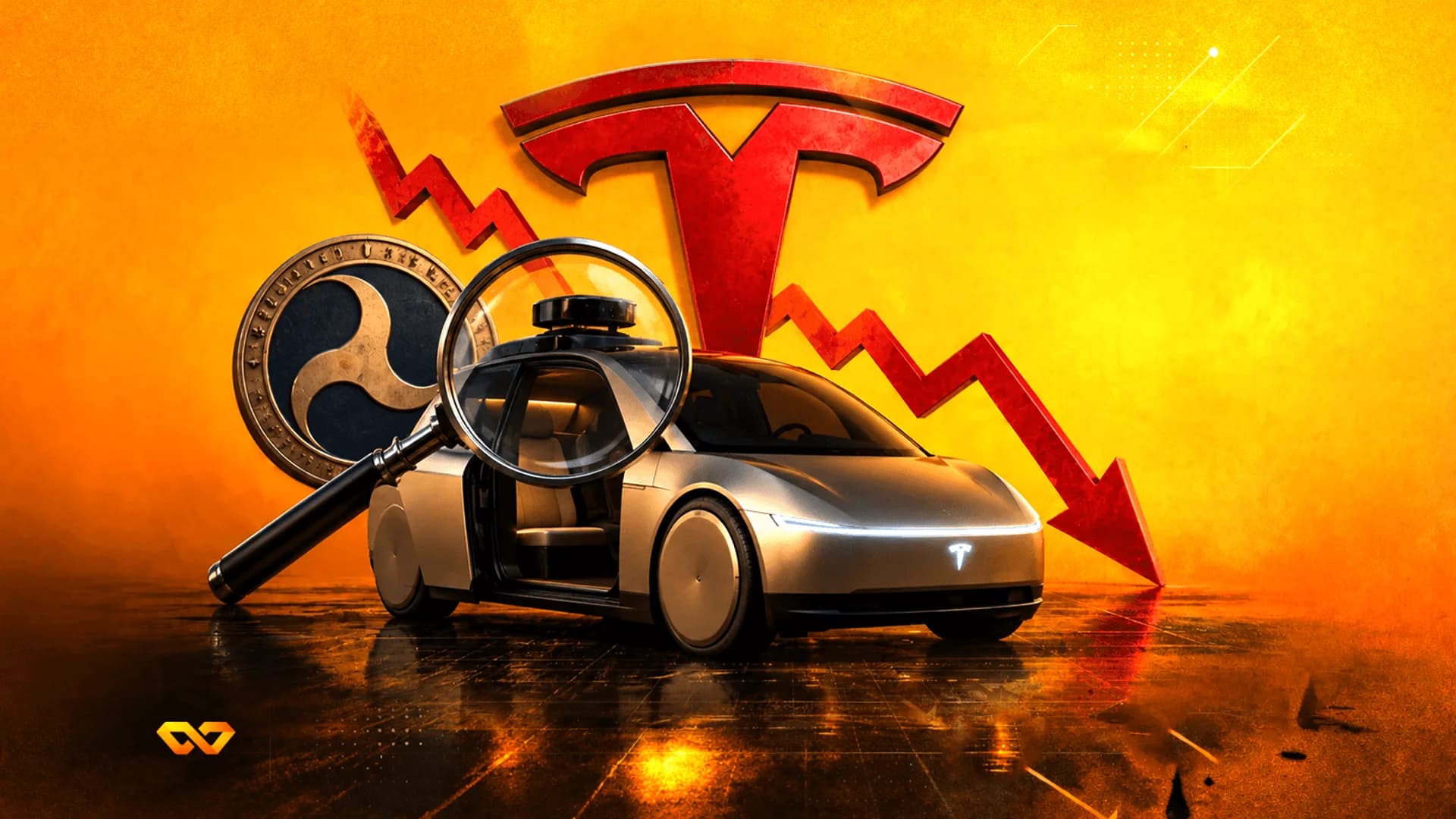
Tesla shares closed at $343.69 on November 5, 2026, down 10.77% from the previous close, according to Raymond James data published via Barchart. The decline came as a report published that day addressed the company’s request to keep some materials in Cybercab’s safety file confidential. But available sources do not establish that the request caused the stock’s decline during the session. The National Highway Traffic Safety Administration is scrutinizing the basis Tesla used to certify the vehicle’s compliance with federal standards. The inquiry focuses on the information and process that preceded certification, not on an announced finding that Cybercab is noncompliant.
Price data show the stock closed at $385.19 on November 4 before ending the next session at $343.69. The open price page lists session figures including a high of $374.30 and a low of $338.15, alongside trading volume of 78,975,359 shares. These figures show the trading activity recorded by the source but do not identify the reason for the decline. Meanwhile, the open sources that could be verified provide no evidence directly linking the confidentiality request to the stock’s performance on November 5. The daily drop is therefore clear in the closing data, while its connection to the Cybercab disclosure remains unsubstantiated.
Tesla began offering a commercial service using Cybercab vehicles on September 3, 2026, according to a document issued by NHTSA. On the same day, the agency opened audit inquiry AQ 26002 to assess the basis for the company’s certification of the vehicle’s compliance with federal standards. The agency said the inquiry allows it to assess the basis Tesla relied on for self-certification, including the technical data and processes used. The audit includes the possibility that the company deemed some requirements inapplicable to its automated vehicles. NHTSA said existing standards remain in effect until its update work is complete, making documentation of how they apply to a vehicle without conventional driving equipment a central focus of the inquiry.
NHTSA issued a special order containing 21 requests for information, according to the agency’s document dated September 10, 2026. The questions ask Tesla to explain how it determined which standards apply and the basis for its conclusion that the vehicles are compliant. They also seek information on the number of vehicles, their operating locations and the service expansion plan, as well as whether the vehicles can be driven by a human using temporary controls and whether those controls formed part of the certification basis. The agency also requested details on the methods the company used to assess compliance, including engineering analyses, physical tests and simulations. Among the specific issues is how Tesla concluded it met the requirement that service brakes be activated by a foot control, and whether compliance was achieved without an exemption under Part 555.
The agency’s special order required a response signed under oath and set September 30, 2026, as the original deadline for submission to the Office of the Chief Counsel. A report published on November 5 said the deadline was extended to October 30 and that Tesla submitted its response by the revised deadline. The confidentiality request concerning safety-file materials comes in the context of the information exchange opened by the order, but the materials available here do not detail what the company sought to withhold or the agency’s decision on that request. NHTSA official Jonathan Morrison said the agency “supports the safe development and deployment of automated vehicles,” adding that it needs to ensure laws are followed. The statement frames the review of the certification basis as part of the agency’s oversight mission as it continues to support the development of these vehicles.
Tesla said in its third-quarter update that it began offering Robotaxi rides using Cybercab in Austin on September 3, and that cumulative unsupervised miles grew eightfold quarter over quarter. This places the regulatory audit alongside the start of commercial operations and an expansion in miles driven by the service, without in itself meaning that the agency has found a violation. The company also reported production of 464,391 vehicles and deliveries of 486,532 vehicles in the third quarter of 2026. The next regulatory step depends on a review of Tesla’s response and the data requested by NHTSA; the available evidence does not give a date for a final agency determination. Until then, NHTSA said existing federal standards remain in effect.