
Trump Expects Trade Deal With Canada Soon as Carney Says Talks Are Not Finished
Key Facts
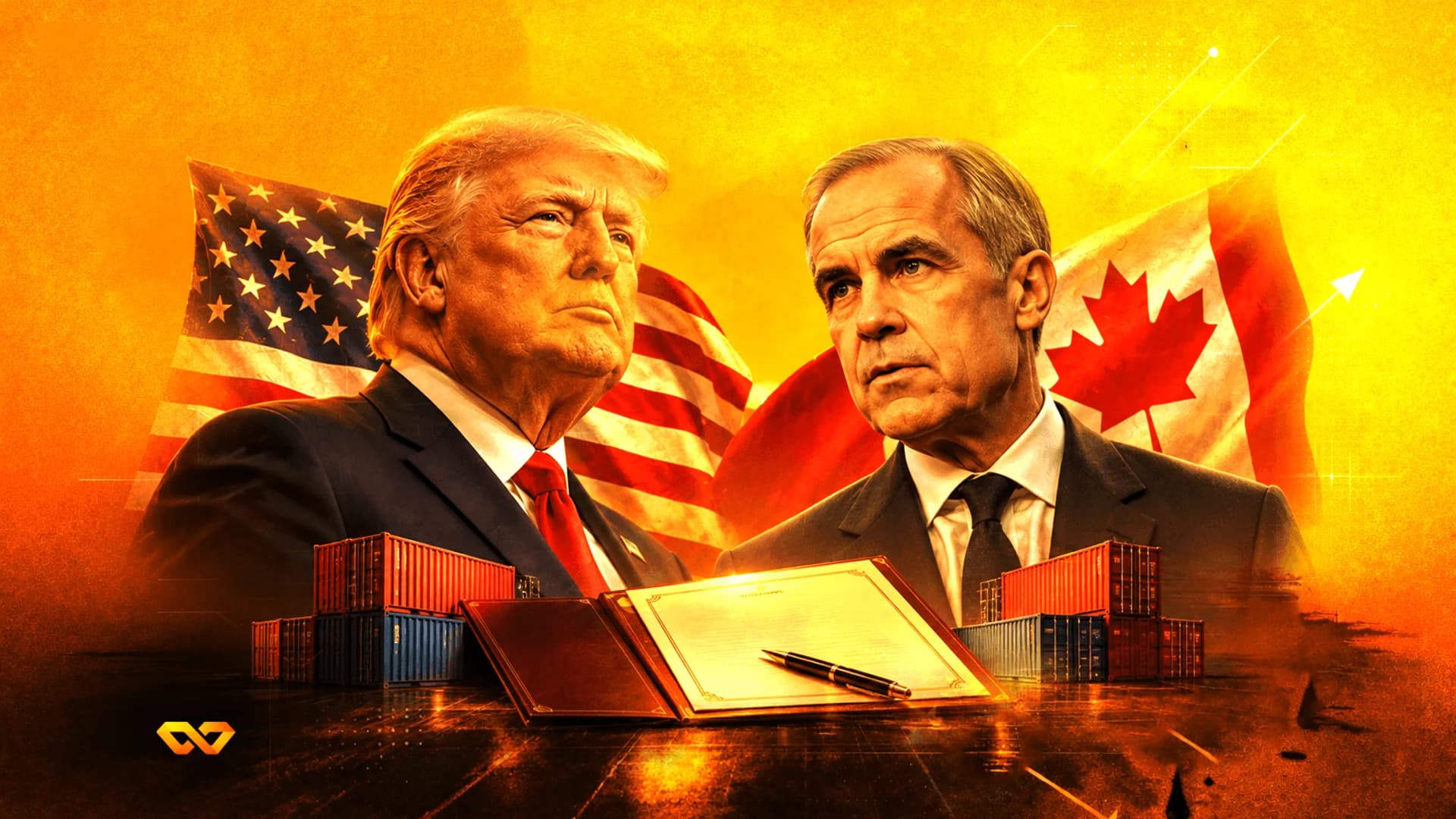
U.S. President Donald Trump said on November 3 that the United States would reach a trade deal with Canada "very soon," while Canadian Prime Minister Mark Carney said the negotiating work was not finished. Trump told Fox News: "Canada is very good, and we will make a deal with Canada very soon. We will make a great deal." The statements put the two sides at different assessments of how close a deal is: Trump says it will be completed soon, while Carney points to progress without the negotiations being complete. The leaders had spoken on November 1, following a period of trade tensions after talks stalled in August. No final details of a deal or terms for easing tariffs have been announced.
Carney said Washington had backed away from some of its earlier demands, including a request to have the final say over trade agreements Canada makes with other countries. He described the negotiating process as having made progress, but stressed that the two sides had not reached a final outcome. He said: "If you want to sum it up, they are asking for less and offering more, but we are not there yet." The remark offers a Canadian account of what has changed in the two sides' positions, while leaving outstanding issues open. Trump described the proposal as "a vision for a very good deal with Canada," without specifying its terms. Optimism about a deal being near therefore remains alongside public acknowledgment that negotiations are continuing.
The talks covered the construction of the Keystone XL pipeline, as well as the possibility of removing tariffs paid by U.S. farmers on Canadian products. The Associated Press also reported that the two sides discussed the possibility of easing U.S. tariffs on Canadian steel and cars, without announcing details of a potential deal. The statements did not specify which products might be covered by any agricultural exemption or the scope of possible relief for metals and cars. These issues link the negotiations to goods and industries directly affected by tariffs imposed across the border. But raising them in the discussions does not mean the two sides have agreed to change the tariffs or to a mechanism for doing so.
The talks come after Canada withdrew from negotiations in August, when Trump responded by imposing tariffs of 50% on Canadian goods worth about $20 billion, according to the Associated Press. Canada followed with retaliatory tariffs, widening the trade confrontation between the two countries. The escalation forms the immediate backdrop to discussions about easing tariffs on steel and cars, as well as the possibility of removing tariffs tied to Canadian products bought by U.S. farmers. Trade disputes have become an issue in the U.S. midterm elections, particularly in Michigan and Maine. Robert Bothwell, a historian at the University of Toronto, said a conversation between Carney and Trump was unlikely to affect Tuesday's elections, warning against reading too much into the improved tone.
Data from the Office of the U.S. Trade Representative show the scale of the relationship within which the negotiations are taking place: total trade in goods and services between the two countries reached $872.3 billion in 2025, down 4.6% from 2024. Trade in services alone totaled $156.8 billion, and the United States recorded a surplus of $27.7 billion in that sector. Trade in goods totaled $715.5 billion, with U.S. exports to Canada of $333.6 billion and imports from Canada of $381.9 billion. The United States recorded a goods trade deficit with Canada of $48.3 billion, down 21% from 2024. These figures reflect last year's data and place the negotiations in the context of extensive trade, without measuring the impact of any potential deal. The United States-Mexico-Canada Agreement frames nearly $2 trillion in U.S. trade in goods and services within the region and entered into force on July 1, 2020.
Carney said after his conversation with Trump that the negotiating teams would continue working over the coming weeks toward an outcome aimed at creating jobs, lowering household costs, and respecting Canada's languages, culture and sovereignty. These goals define a broader political scope than the tariff issues Trump mentioned, but include no announced timetable for completing a deal. The two teams are due to continue their work in the coming weeks, according to Carney. The possibility of easing tariffs on steel and cars and removing tariffs on Canadian products remains among the issues discussed, with no terms announced so far. The progress Carney cited includes Washington backing away from some of its demands, while he stressed that the negotiations have not yet been settled.