
Magnetic mine attack hits Louise 1 tanker, putting Hormuz risks back in focus
Key Facts
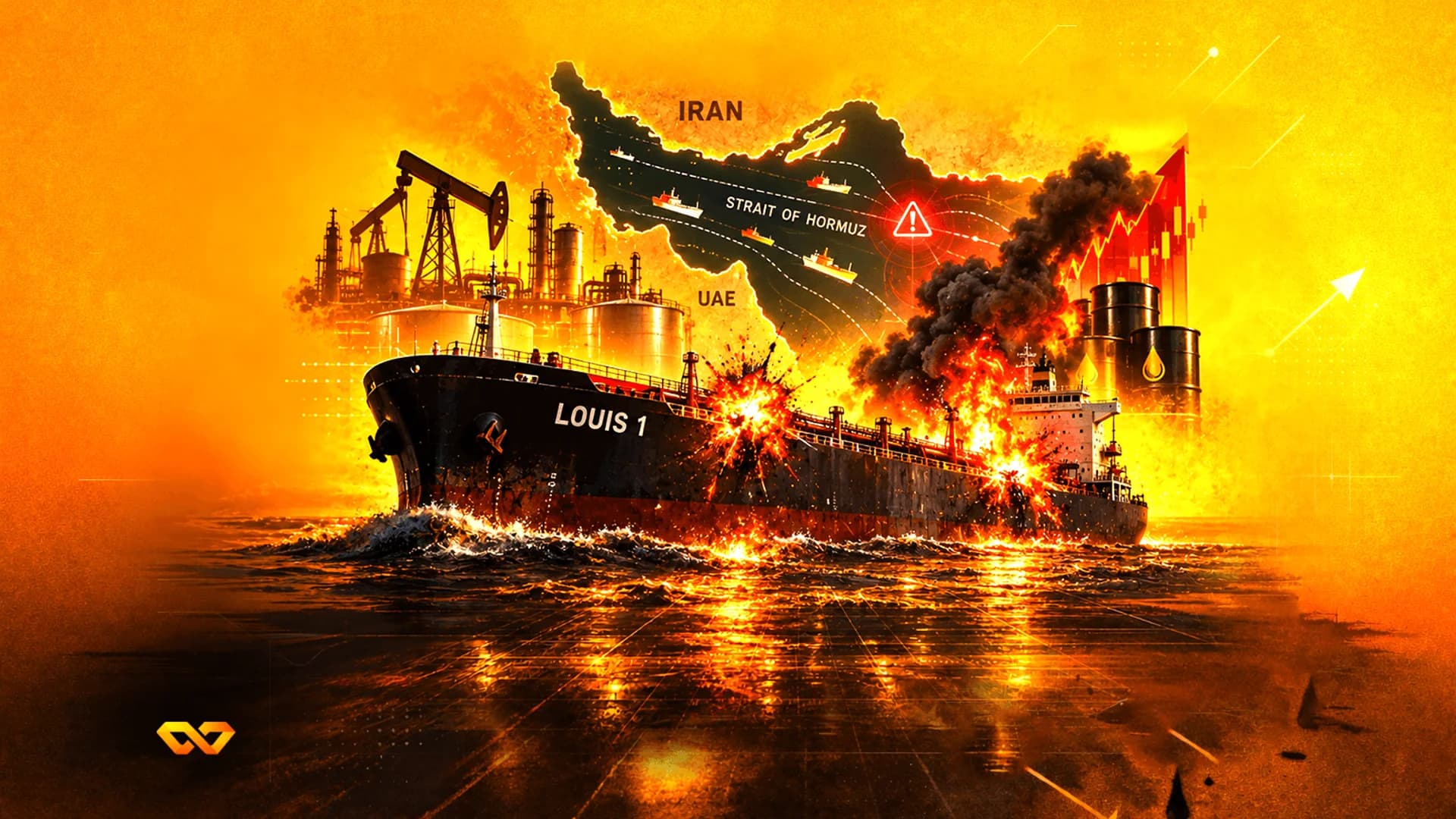
The oil tanker Louise 1 was hit by magnetic mines in the Strait of Hormuz, in the first known successful attack using this method in the passage since the U.S.-Israeli war with Iran began in February, Reuters reported. Three maritime security sources identified the vessel as Panama-flagged and said their assessments indicated it had been targeted with mines. The United Kingdom Maritime Trade Operations agency said the tanker continued toward its next port. The attack followed a separate attempt in September in which the devices did not detonate, according to Reuters. The incident has renewed attention to shipping risks in a vital passage for global energy supplies.
Reuters said a small boat attached two mines to the vessel, setting its engine room ablaze and temporarily disabling the tanker. The United Kingdom Maritime Trade Operations agency said the crew was safe, the fire had been extinguished and there was no environmental impact. The vessel resumed its voyage to its next port, meaning the disruption did not prevent it from continuing to sail. In its assessment of the incident, Marisks described a small boat approaching a passing tanker, placing explosive devices and then withdrawing as a "major security concern." The tactic poses a challenge to passing vessels, combining direct access to a tanker’s hull with the possibility of leaving after placing the charges.
Marisks said magnetic mines appeared in the region in 2017 and were used against tankers in the Strait of Hormuz in the following years. That record places the attack on Louise 1 within a pattern previously seen in the passage, although Reuters described it as the first known successful use since the war began in February. The agency also cited a separate attempt in September in which the devices did not detonate. Louise 1 itself was previously attacked by naval drones in the Black Sea in July. Ukraine’s security service said the vessel was targeted then because of its role in transporting Russian oil and its membership in the shadow fleet.
In a separate incident, the Associated Press said Oman evacuated 25 crew members from a Panama-flagged tanker after it was attacked and caught fire 1.6 nautical miles off the coast of Musandam Governorate. It was unclear whether the incident was connected to the fires reported by Iran. The agency quoted Iran’s Revolutionary Guard as saying that a supertanker carrying more than 2 million barrels struck a sea mine and caught fire while crossing a route Tehran described as unauthorized. The Guard said it was the fourth tanker to explode on Friday, after the Iranian navy said three other tankers had caught fire after hitting mines. The Associated Press could not verify the navy’s claims about the three tankers, and it was also unclear whether the incident involving the vessel whose crew Oman evacuated was connected to them; there is no evidence linking these incidents to the attack on Louise 1.
Hormuz’s significance extends beyond individual incidents: oil flows through the strait averaged 20 million barrels a day in 2024, equivalent to about 20% of global petroleum liquids consumption, according to the U.S. Energy Information Administration. About one-fifth of global liquefied natural gas trade also passed through the strait that year. The agency’s data showed oil flows rising from 19.2 million barrels a day in 2020 to 20.7 million in 2024, then to 20.9 million in the first half of 2025. Flows in 2024 and the first quarter of 2025 accounted for more than a quarter of seaborne oil trade and about one-fifth of global oil and petroleum product consumption. This share explains the broad attention to maritime transit security, crew safety and the continued movement of shipping.
On the diplomatic front, Iran’s ambassador to Pakistan said Tehran had told Islamabad it was prepared to reopen the strait if Washington lifted its naval blockade, the Associated Press reported on October 24. The June agreement, mediated by Pakistan and Qatar, aimed to restore navigation, lift the blockade and begin negotiations on a broader agreement addressing Iran’s nuclear program. On the security front, France and Britain had worked for months on plans for a proposed naval mission. Countries allied with Washington put forward a concept for a "defensive and independent" mission intended to reassure commercial shipping and conduct mine-clearance operations. These plans remain proposals outlined in the Associated Press report, with no announced start date for implementation.