
Indonesian Stocks Fall 11% Intraday on Proposed Market Downgrade
Key Facts
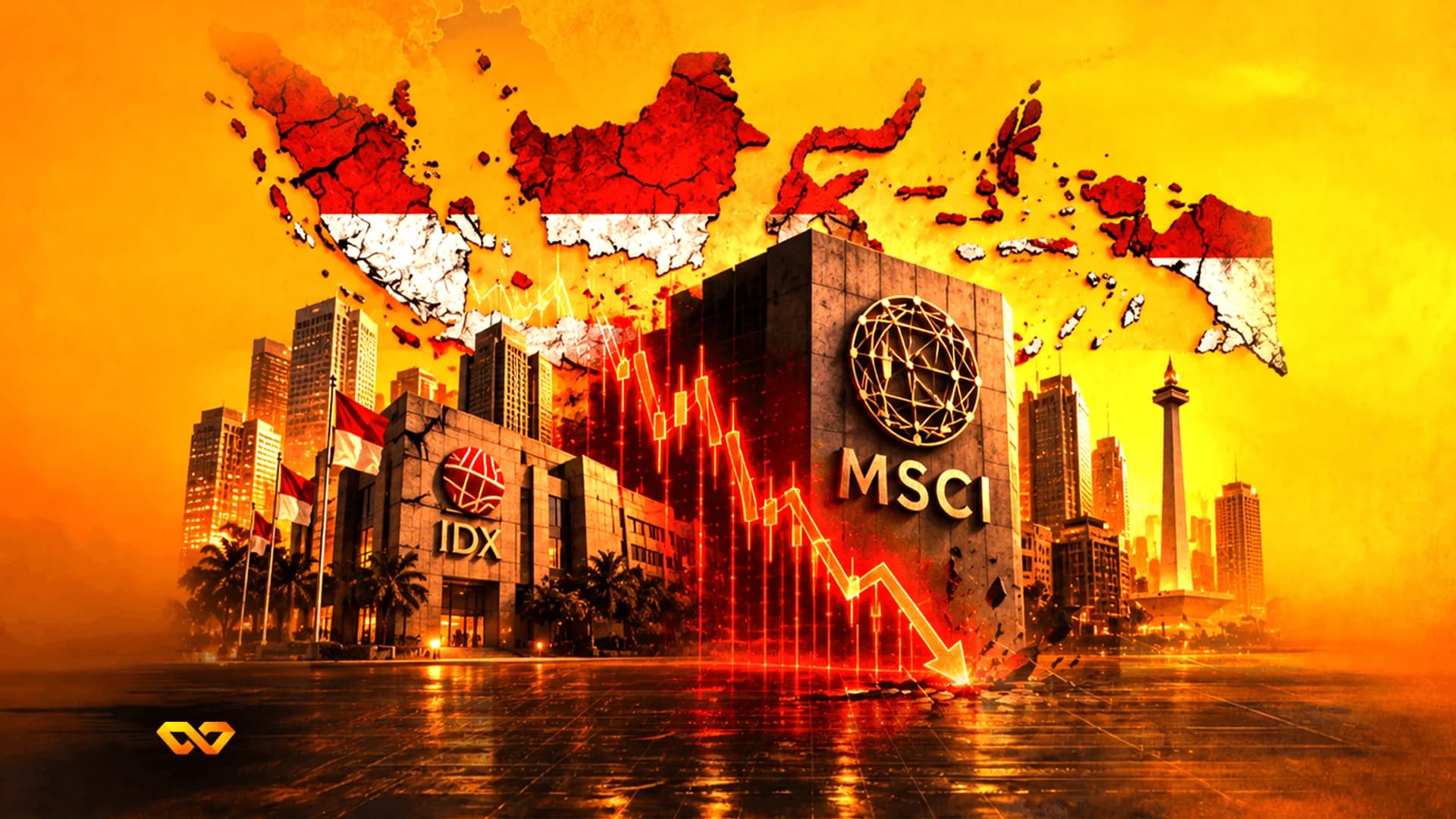
Indonesian stocks plunged 11% during trading on October 16, 2026, to their lowest level in 6 years after MSCI proposed moving the country from emerging market to standalone market status, Reuters reported. The index provider opened a consultation on the proposal in an announcement dated October 15, ahead of the selloff in the following session. The company deemed Indonesia's continued classification as an emerging market inappropriate but did not announce that reclassification would be implemented. The proposal puts the country's membership in emerging market indexes at risk of removal, with the final outcome still subject to consultation. Standalone market indexes are not included in the company's Emerging Markets Index or Frontier Markets Index, according to its published classification rules.
MSCI said investors' concerns centered on "persistently opaque shareholding structures and suspected coordinated trading behavior." It added that these concerns included a lack of evidence of effective enforcement of market rules. In the exchange's response, its president, Jeffrey Hendrik, said it would seek further clarification from the index provider on the basis for its announcement, according to the Business Times. On behalf of the Indonesian regulator, capital markets supervision chief Hasan Fawzi pledged to strengthen law enforcement to protect trading integrity. Fawzi said, according to the newspaper: "We remain committed to strengthening law enforcement in the capital market to maintain market integrity."
The consultation follows announced Indonesian reforms addressed in MSCI's previous review, including enhanced disclosure of shareholders with holdings exceeding 1%. Authorities also announced a roadmap to raise the minimum free float to 15% as part of the market's reform process. However, the index provider stressed in that review that investors needed consistent implementation of the reforms and a sustained impact on the market. It had linked consideration of options for the market's treatment to progress at the November 2026 review. Its earlier warning included the possibility of consulting on moving Indonesia from emerging to frontier market status, while the current proposal targets standalone market status.
Indonesian stocks are already subject to restrictions on their treatment within MSCI indexes, according to the company's announcement on these measures. The restrictions include freezing all increases in foreign inclusion factors used to calculate the indexes. The freeze also extends to increases in the number of shares used in their calculation, as part of the measures in place for the market. The company also halted additions of Indonesian stocks to its investable index universe, along with upgrades between size segments. These existing restrictions precede a decision on the reclassification proposal the company put forward for consultation with market participants.
In the session's selloff, the Indonesian index opened down 8%, triggering a 30-minute trading halt, according to the Wall Street Journal. Stocks posted their biggest decline since the Asian financial crisis in 1998, the newspaper reported. The selloff pushed the Jakarta index's year-to-date losses to about 40%, adding to the decline that preceded the consultation announcement. Foreign investors had recorded net sales of Indonesian stocks worth $4.7 billion during 2026 up to the time of the report, according to Reuters. The selling followed the proposed downgrade and heightened risks of capital outflows, while expected forced fund outflows remain contingent on implementation of the reclassification.
UBS estimated that implementation of the proposed downgrade could trigger outflows of about $4 billion from index-tracking investments, according to Reuters. The bank added that active investors could withdraw a potential additional $15 billion, alongside outflows from index-tracking funds. These estimates are contingent on implementation of the proposal, which remains before market participants as part of the consultation process announced by the company. MSCI will accept feedback from those participants until April 30, 2027, according to the consultation timetable. The company said it would announce its decision on Indonesia's market classification on or before June 30, 2027.