
Russian attacks cut power to 600,000 Ukrainians after Trump announces energy truce
Key Facts
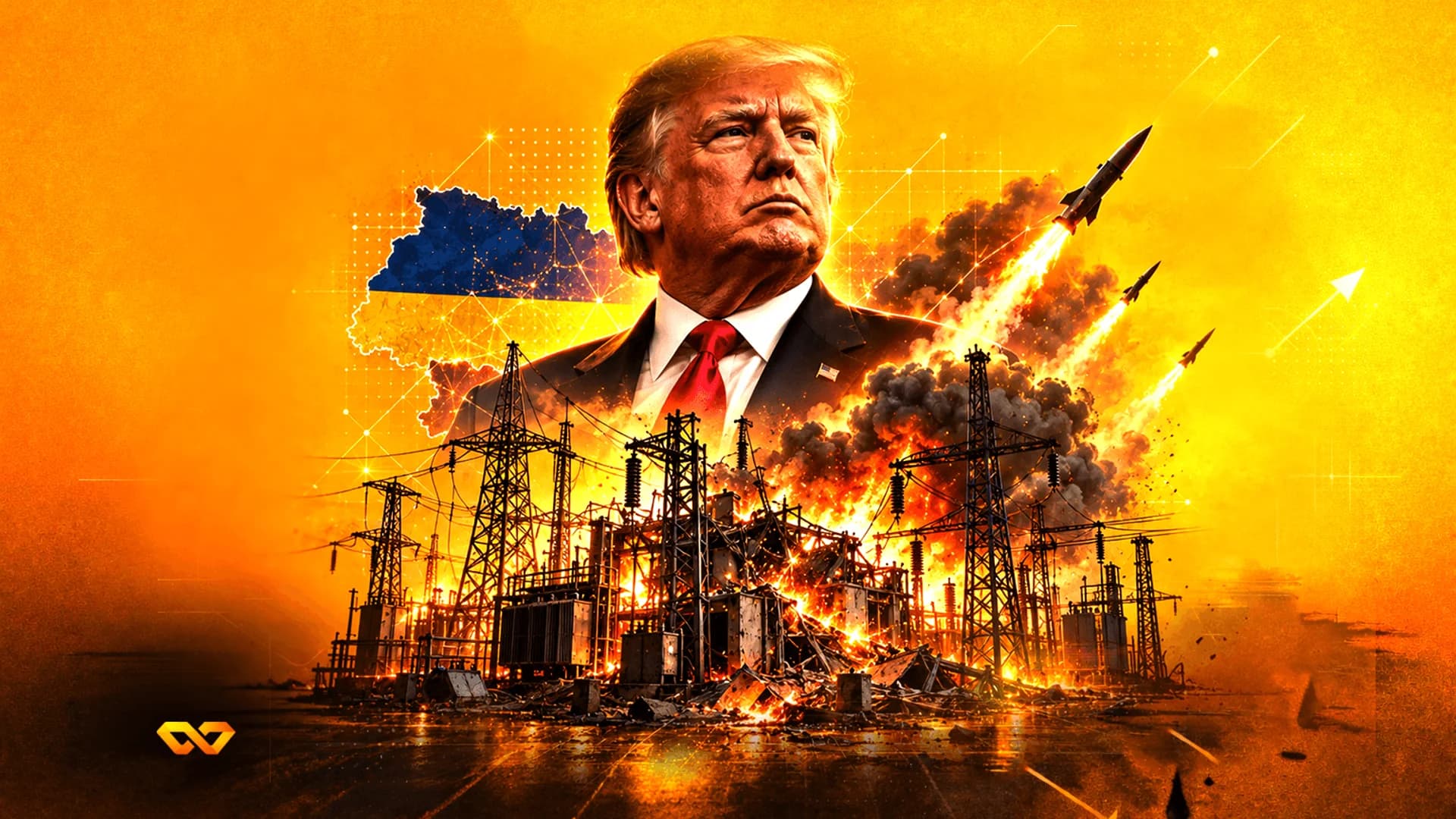
Ukrainian President Volodymyr Zelensky said a wave of Russian attacks left at least 600,000 people without electricity on Wednesday morning, 14 October 2026, after U.S. President Donald Trump announced a halt to attacks on energy facilities between Russia and Ukraine. The wave involved about 39 ballistic missiles and more than 120 drones, according to Ukrainian officials cited by ABC News, in an attack stretching from Tuesday evening into Wednesday morning. Ukraine said it shot down only 4 of the 39 missiles, Reuters reported, citing Ukraine's interception statement. Kyiv police said in an updated toll on Wednesday, reported by the Associated Press, that 5 people were killed and 36 injured in the capital in the attack. Zelensky warned of widening power outages after extensive damage to energy facilities, while the strikes hit electricity, heating, oil and gas facilities.
Zelensky said the damage affected at least 26 electricity facilities and 4 other facilities in the oil and gas sector, according to ABC News. In the capital, the Associated Press quoted Ukraine's prime minister as saying Russian forces had hit all 3 of Kyiv's combined heat and power plants. Zelensky said a ballistic missile targeted the Darnytska plant, which supplies the capital with heating and electricity, according to Euronews' reporting on the attack. Wednesday's attacks also extended to state railway facilities in 5 Ukrainian regions, the prime minister said in remarks reported by Reuters. The strikes followed at least two attacks on a thermal power plant in Kharkiv on Sunday, 11 October, which caused a fire, according to a local official who spoke to ABC News.
Trump had announced an immediate halt to attacks on energy facilities between Russia and Ukraine on Sunday, saying both sides had agreed to it, according to Reuters' reporting on his announcement. The U.S. president said: "A ceasefire on energy facilities in the war between Russia and Ukraine takes effect immediately, and both sides have agreed to it." Zelensky said the facilities that were struck were covered by the truce announced by Trump, according to coverage by the Associated Press. But Kremlin spokesman Dmitry Peskov said on Wednesday that details of the energy truce remained under discussion. Peskov added, in remarks reported by the same agency: "Work in this direction continues," as Kyiv was reporting the extent of the damage to its facilities.
Against the diplomatic backdrop to the attack, European Union ministers approved nearly 1,600 new sanctions listings on Monday, 12 October, according to EU foreign policy chief Kaja Kallas. The listings targeted Russia's military-industrial complex, according to remarks by Kallas reported by Reuters, ahead of Wednesday's broad wave of strikes on Ukrainian energy facilities. In fuel markets, U.S. diesel futures rose about 5% during trading on Tuesday, 13 October, according to Reuters. Trading took place amid uncertainty over the U.S.-Russian diesel deal proposed by Trump, the agency said. The rise in diesel futures preceded the attack that stretched from Tuesday evening into Wednesday morning, when Ukrainian authorities reported hits on electricity, oil and gas facilities.
On the Russian side, Deputy Prime Minister Alexander Novak accused Ukraine of attacking two refineries on Wednesday, 14 October, according to remarks reported by Euronews. Novak identified the Saratov and Ryazan regions as the locations of the two refineries he said were attacked that day. The Russian accusation coincided with Kyiv's announcement that its energy facilities had come under attack and a dispute over implementation of the halt to attacks announced by the U.S. president. Ukrainian presidential adviser Dmytro Lytvyn denied that refineries had been targeted, according to S&P Global's reporting on the Ukrainian presidency's position. Lytvyn said the strikes hit other sites, adding: "But the refineries were not attacked," in a direct response to the Russian accusation about the nature of the targets.
Zelensky had proposed halting strikes on Russian refineries in exchange for the Kremlin stopping attacks on Ukraine's electricity infrastructure, according to ABC News. The Ukrainian president thus linked a halt to attacks on refineries to an end to Russian strikes on electricity facilities, in a position based on a reciprocal halt to targeting by both sides. His offer covered refineries inside Russia, while his stated condition focused on protecting Ukrainian electricity infrastructure from attacks. Discussions on the details of the energy truce continued through Wednesday, 14 October, according to Peskov's remarks on the work underway between the truce's announcement and its implementation. In Ukraine, Zelensky warned the same day of widening power outages after extensive damage to the sector's facilities.