
US military says it disabled cargo ship in Gulf of Oman under blockade that redirected 135 vessels
Key Facts
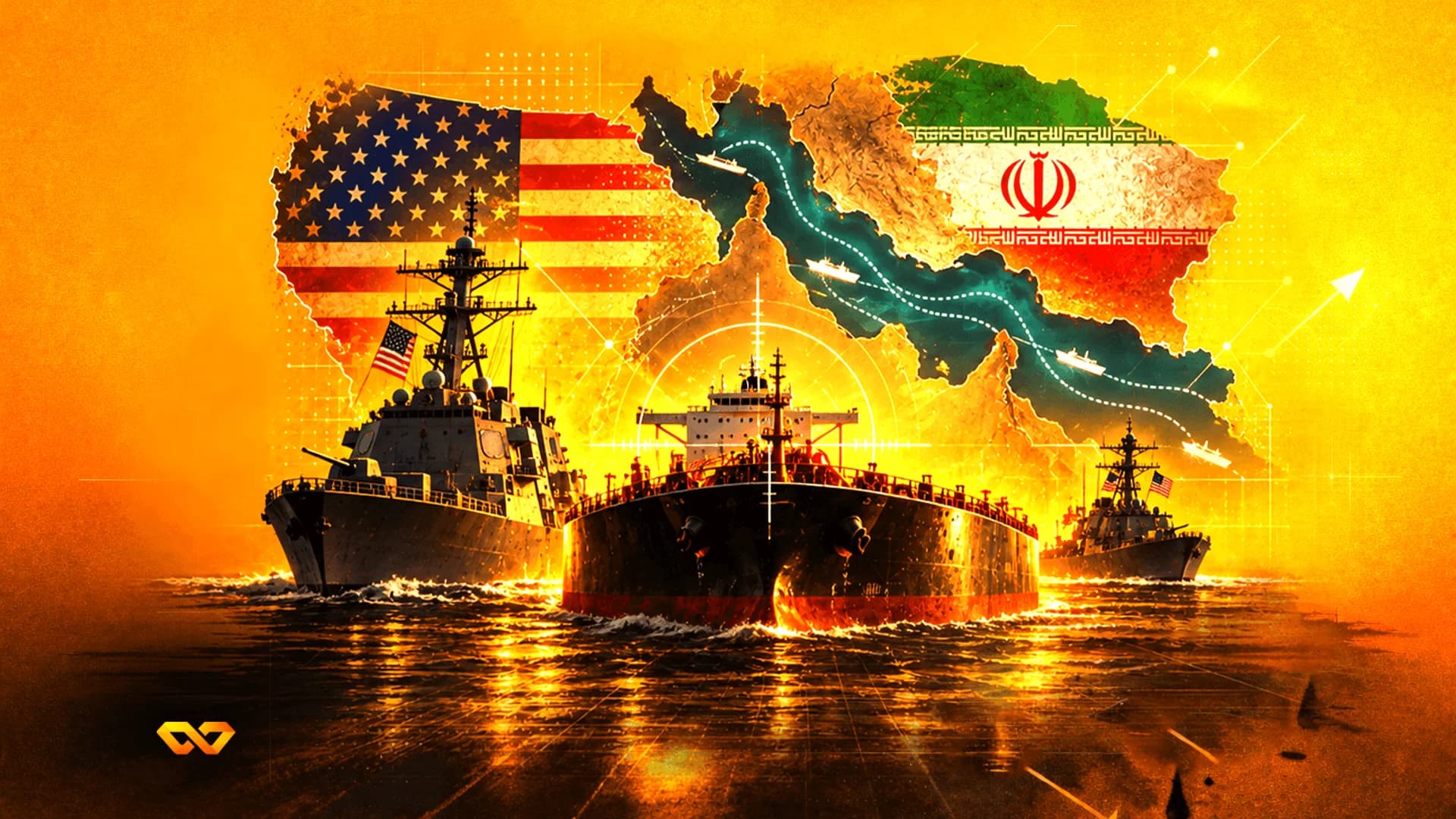
US Central Command said its forces disabled a commercial cargo ship in the Gulf of Oman on October 10 in an operation to enforce the blockade on vessels entering or leaving Iranian ports. The command identified the targeted ship as the Panama-flagged Ocean Molika, according to Reuters, which cited the US statement. It said the vessel was attempting to transit the area's waters after leaving an Iranian port and that its crew ignored warnings issued before the strike. According to the US account, a fighter jet carried out the strike using "precision munitions," hitting the ship's stern and disabling its propulsion. Central Command added that the operation was conducted "without harming the crew."
The operation falls within the blockade phase that Central Command said resumed on July 14, covering vessels heading to and departing from Iranian ports. In its tally for this phase up to the incident statement, the command reported disabling 4 commercial vessels. It also said its forces had redirected 135 vessels over the same period as part of naval blockade enforcement operations. In another tally of operations during the resumed phase, the command reported destroying 10 tankers linked to the Iranian Revolutionary Guard's maritime network. The US statement attributed those tankers' links to the Revolutionary Guard network, while describing the vessel targeted in the latest operation as a commercial cargo ship.
In a separate maritime incident, the United Kingdom Maritime Trade Operations agency said it had received a report from a tanker leaving the Strait of Hormuz that it had been struck by a projectile. The tanker's master said, according to the agency's advisory, that the projectile hit the vessel's port side as it was heading out of the strait. The master described the projectile that struck the tanker as "unknown," according to the report published by the British agency. He reported that the strike caused a fire aboard the tanker. The advisory said: "The master of an outbound tanker reported being struck on the port side by an unknown projectile, causing a fire on board."
The cargo ship strike was preceded by signs of declining oil traffic through the Strait of Hormuz, according to estimates by Kpler analysts cited by Reuters. In a note dated October 6, the company estimated crude flows through the strait at no less than 10.1 million barrels per day. That represents a decline of 27% from the wartime peak in flows recorded the previous week, according to the comparison in the note. Reuters published the estimates in a report dated October 8, before the US operation in the Gulf of Oman. Kpler analysts attributed most of the decline to reduced ship-to-ship transfers of oil cargoes in the Gulf of Oman, which were covered by the company's analysis of flows.
In the oil market, Brent crude futures had risen in the session on Thursday, October 8, before the cargo ship strike. The contracts settled up 3.9%, according to a report published by Investing on that session. The settlement price was $104.11 per barrel, in trading that preceded the US military operation in the Gulf of Oman. On the political front, the report published before the strike quoted US President Donald Trump on the timing of any US attack on Iran. Trump said, according to the statement cited by the website: "We will not attack Iran at any time before the midterm elections."
In maritime guidance accompanying the announcement of the October 10 operation, Central Command urged mariners in the region to monitor notices to mariners. The US call included those working aboard ships in the Gulf of Oman, where the command said the operation to disable the cargo ship took place. The guidance extended to mariners at the approaches to the Strait of Hormuz, according to the statement cited by Reuters. Central Command also asked mariners to contact US naval forces while in these waters. Its appeal to maritime crews read: "Monitor notices to mariners and communicate with US naval forces."