
Kyodo: Iran Offers to Reopen Hormuz Within 7 Days if U.S. Eases Military Pressure
Key Facts
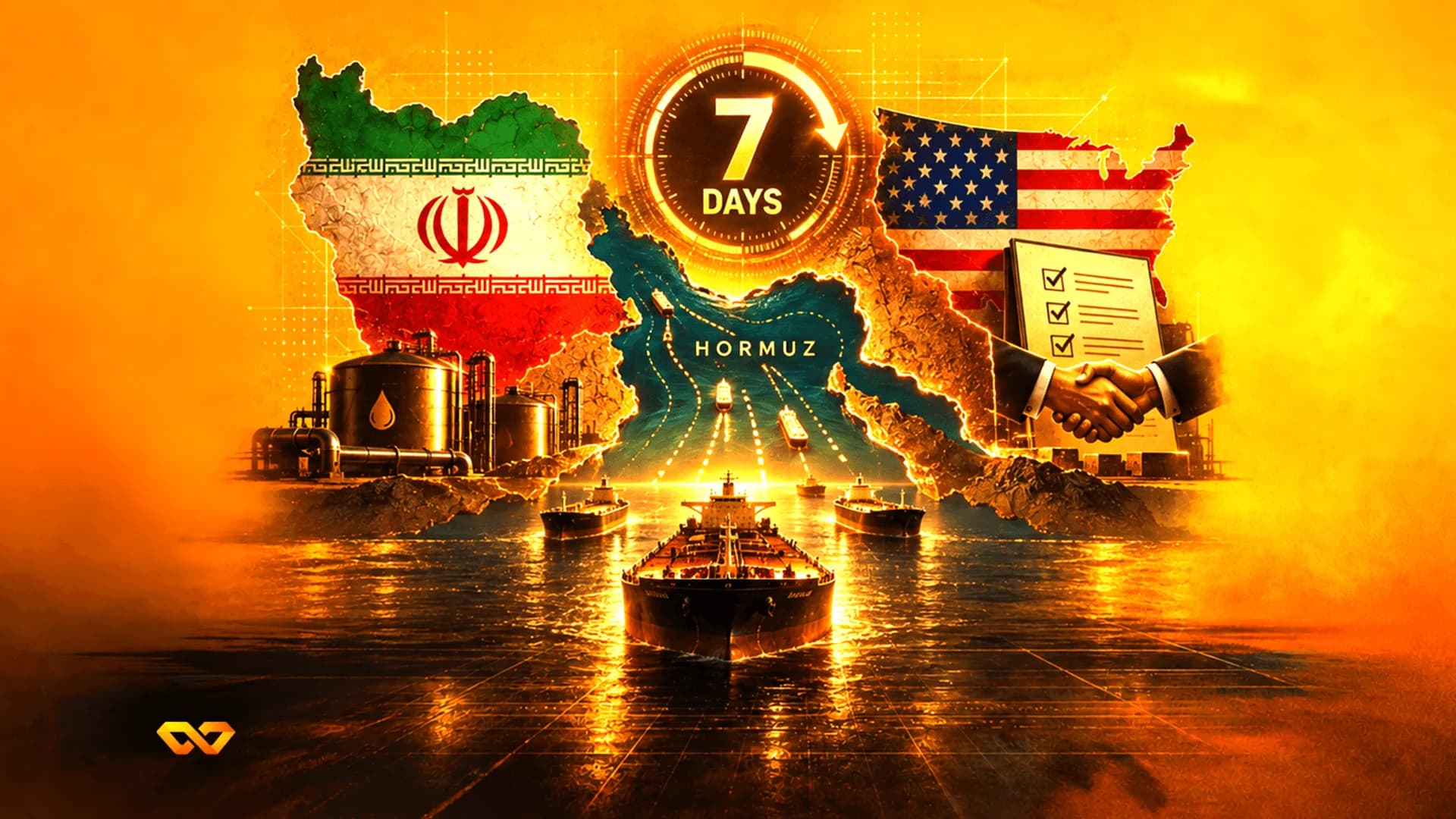
Kyodo reported, citing an unnamed senior Iranian government official, that Tehran offered to reopen the Strait of Hormuz within 7 days if the United States takes initial steps to ease military pressure. The account describes a conditional proposal, not an agreement or an announcement that reopening has begun.
The proposal was conveyed to Washington through a mediator and called for renewed dialogue aimed at permanently ending hostilities, according to the report. Iran also plans consultations with intermediary countries during the United Nations General Assembly, while the coverage cited no U.S. acceptance or fixed implementation date.
Navigation remains exposed to material risks regardless of the diplomatic track. The International Maritime Organization recorded 82 confirmed incidents in the Strait of Hormuz and the wider region through September 21, 2026, along with 23 seafarer fatalities; restoring stable traffic therefore requires a measurable improvement in maritime security, not a political announcement alone.
Energy markets are sensitive because the volumes are large and alternatives are limited. About 20.9 million barrels a day crossed the Strait in the first half of 2025, equal to roughly 20% of global petroleum-liquids consumption and 25% of seaborne oil trade, while Saudi and Emirati bypass pipelines provide only about 4.7 million barrels a day of capacity. An actual reopening could therefore reduce delay risks, shipping costs and prices, but the effect depends on acceptance of the conditions and a measurable recovery in vessel traffic.
Latest Updates · 1
- Notable·
Update: Additional complexities have emerged in the diplomatic track as Tehran added the lifting of the blockade as a core requirement alongside easing U.S. military pressure for reopening the Strait. This new demand, according to updated reports on September 22, 2026, represents an escalation in Iranian conditions before initiating any practical steps to open the international waterway.