
Houthis Seize Mokha, Raising Shipping Risks Near Bab el-Mandeb
Key Facts
Iran-aligned Houthi forces seized Yemen’s coastal city of Mokha on September 10, their biggest territorial gain since the 2022 truce, according to the Associated Press. Reuters also confirmed the takeover through Yemeni government sources.
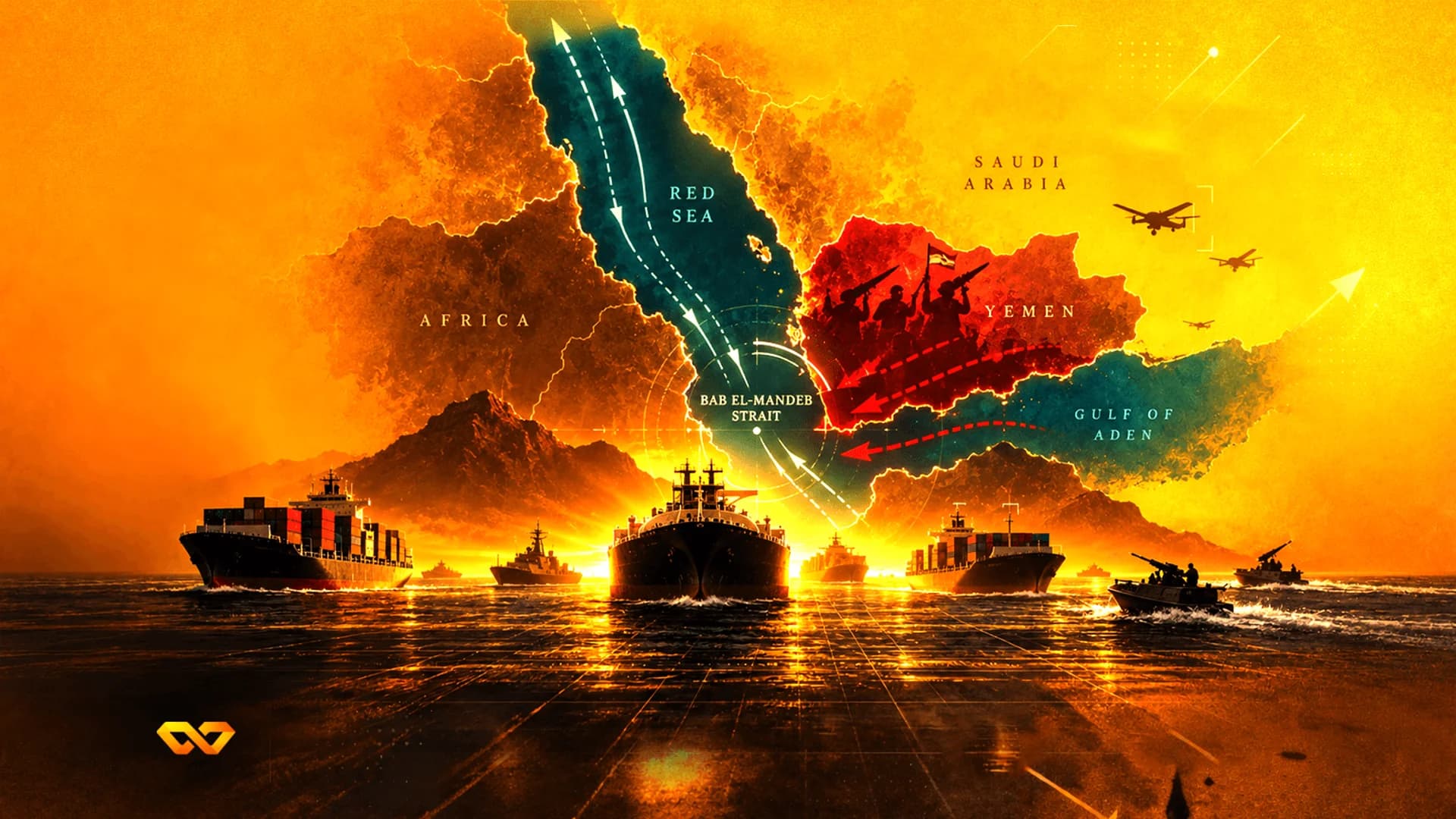
The territorial gain does not mean the Houthis control the Bab el-Mandeb Strait itself. Reuters said their advance brought them closer to gaining leverage over the route and completing control of coastal cities including Mokha and Dhubab; the Associated Press places Mokha about 80 kilometers (50 miles) from the strait.
The Associated Press attributed confirmation of the takeover to Ahmed Baash, a commander in the government-allied National Resistance Forces, and Hazam al-Assad, a member of the Houthi political bureau. It also cited residents who said Houthi forces had spread through the city and markets had closed, while noting that it could not independently verify those accounts.
The location matters economically because Bab el-Mandeb connects the Red Sea with the Gulf of Aden. The American Energy Information Administration estimated that the strait carried 12% of seaborne oil trade and 8% of seaborne liquefied natural gas trade in the first half of 2023.
Ships avoiding Bab el-Mandeb and the Suez Canal can divert around the Cape of Good Hope, but at greater cost and with longer transit times. An Energy Information Administration example puts a tanker voyage from the Gulf to the Amsterdam-Rotterdam-Antwerp hub at 19 days via Suez, compared with nearly 35 days around southern Africa; longer routes also consume more fuel and reduce vessel availability, putting upward pressure on freight rates.
Operational risks were already elevated before Mokha’s capture. As of September 10, the International Maritime Organization listed 61 reported and confirmed incidents since January 10, 2024. In an August 12 statement, the organization said the cargo ship TIHAMAH had been struck by a projectile off Mokha, killing several seafarers, and urged operators to conduct thorough risk assessments before transiting the region.
The escalation also carries a direct humanitarian cost. At a September 8 United Nations briefing, the International Organization for Migration said west-coast violence had displaced more than 18,500 people in 72 hours, while the United Nations envoy called on the parties to cease hostilities and prevent a wider confrontation.
The next signals will be whether the Houthis consolidate positions in Dhubab and nearby coastal areas, whether official maritime warnings change, and whether carriers alter transit, insurance or freight decisions. Until those indicators emerge, the evidence supports heightened shipping risk—not Houthi control of Bab el-Mandeb or a demonstrated reaction across oil, currency and equity markets.