
Brent Closes at $101.21 as Supply Risks Escalate and Treasury Yields Rise
Key Facts
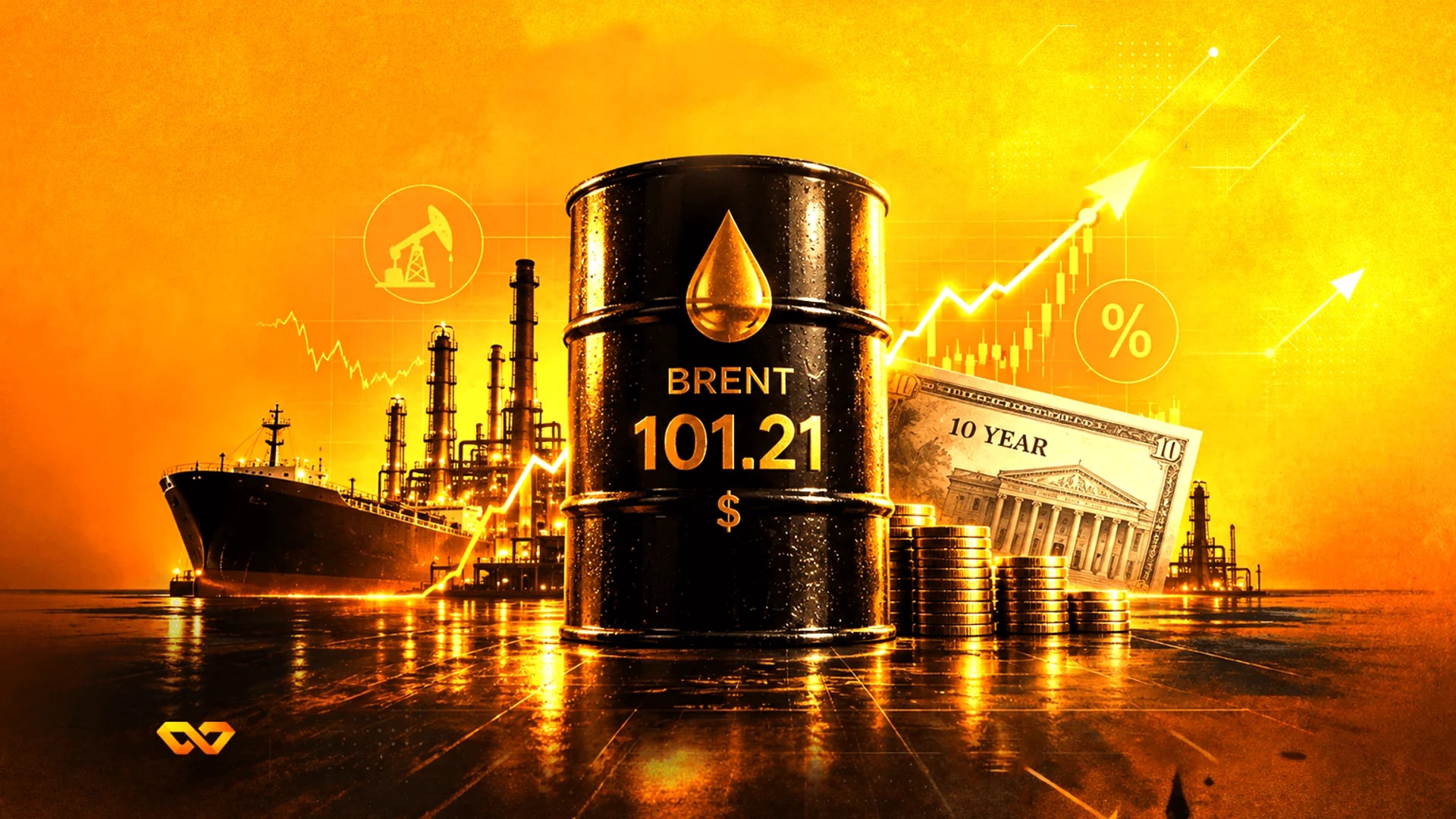
Brent crude closed the September 9, 2026 session at $101.21 a barrel after trading between $98.83 and $101.71, according to EL7 data. It was the benchmark's first move back above $100 since July.
The jump followed renewed escalation in fighting between the United States and Iran and Houthi attacks on Saudi oil facilities. Attacks on vessels, infrastructure and alternative export routes increased the risk of further disruption to Middle East supply.
The U.S. Energy Information Administration said Brent averaged $91 in August, $7 above July. It also estimated that exports from Saudi Arabia's Yanbu port fell by about half from July and that regional shut-in production rose to 6.7 million barrels a day in August from 5.0 million in July.
In bonds, the official 10-year Treasury yield rose to 4.83% on September 9 from 4.80% in the previous session, while the 30-year yield climbed to 5.28% from 5.25%. The same day, an increase in the cap on long-end buybacks took effect, raising it from $2 billion to at least $4 billion per operation.
An initially steady futures picture gave way to cash-market losses by the close. The S&P 500 fell 0.5%, the Dow Jones dropped 0.8% and the Nasdaq Composite lost about 0.6%. Energy shares benefited, while sectors more exposed to costs and financing came under pressure.
The effect of higher crude extends beyond energy producers because oil is an input for gasoline, diesel, jet fuel and maritime transport. Sustained high prices can therefore lift shipping and production costs, slow disinflation and raise the yield investors demand on bonds, but oil alone does not determine a central bank's decision.
The EIA forecasts Brent will average about $90 in the second half of 2026 and expects Middle East oil flows to remain constrained through the fourth quarter of 2026. The actual path depends on the restoration of shipping routes and production, and the agency expects short-term price volatility to persist.
Latest Updates · 1
- Notable·
Update: Markets are now awaiting the release of U.S. Consumer Price Index (CPI) and Producer Price Index (PPI) data. These reports will be critical in assessing the inflation trajectory and determining if the recent oil price surge will lead to sustained price pressures.