
Oil Rises as Attacks Hit Saudi Energy Facilities and Temporarily Halt Operations
Key Facts
Brent and WTI rose in the September 7, 2026 session as reports circulated of attacks on energy facilities in southern Saudi Arabia. Brent closed at $97.60 a barrel after opening at $96.90, while WTI closed at $92.70 versus a $92.26 open.
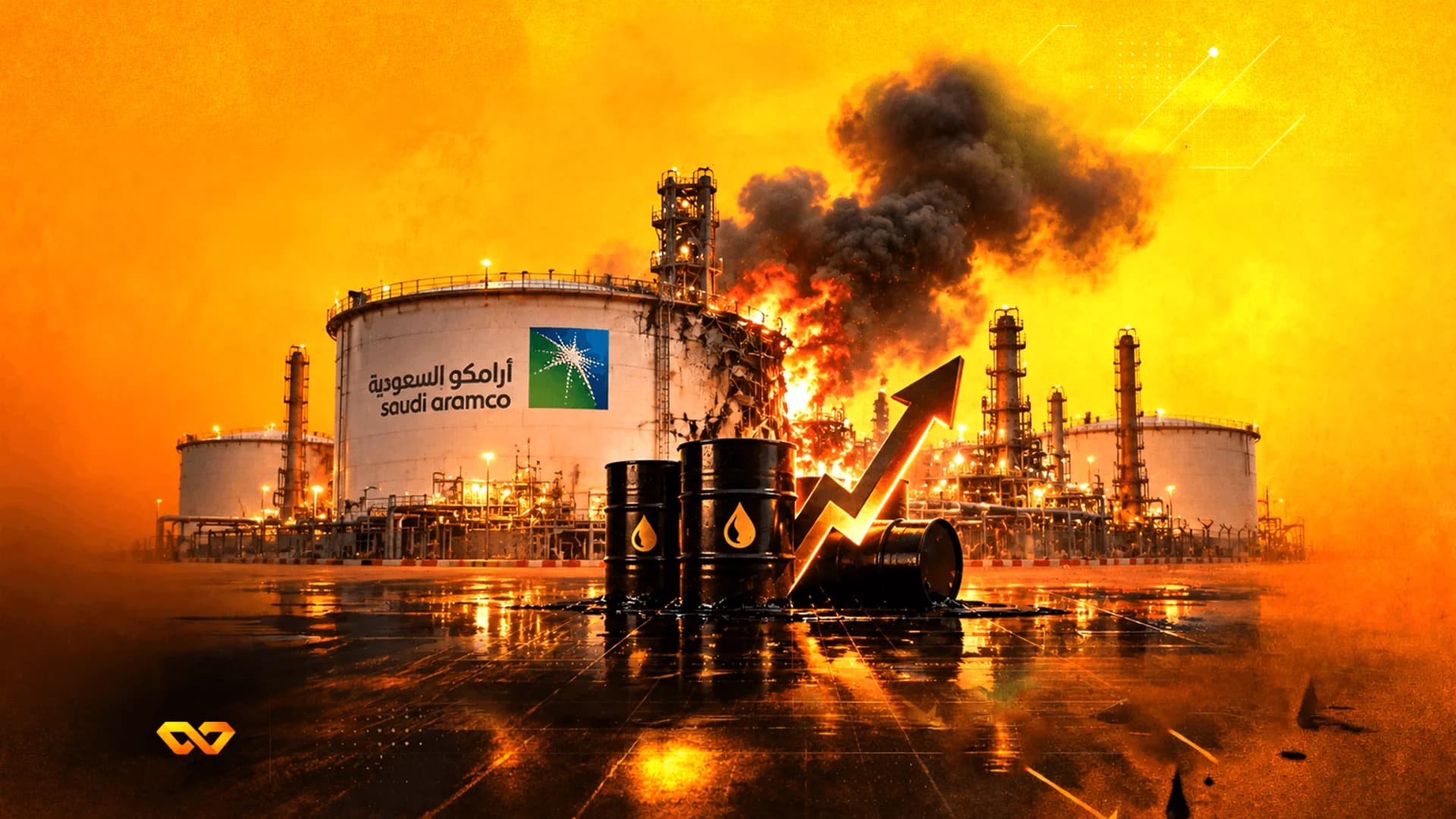
On September 8, Saudi Arabia’s Energy Ministry confirmed that several energy-sector facilities and installations in the southern region had been targeted. It said the attacks caused fires and temporarily halted some operations, while field teams began containing the fires, securing sites and assessing damage.
The official statement did not identify the facilities or their operators and disclosed no production-loss volume. Initial reports and Houthi claims linked some targets to Saudi Aramco, but that attribution should remain clearly sourced rather than presented as official confirmation.
Brent traded between $95.97 and $98.05 a barrel during the September 7 session, while WTI ranged from $90.87 to $93.29. These ranges show the scale of the observed move without relying on technical resistance levels or speculative price targets.
Temporary operational halts increase uncertainty even when no specific barrel loss has been disclosed. Markets can price the probability of disrupted flows and response costs before damage is clear, but the price increase alone does not prove a lasting supply shortfall.
Near-term direction will depend on the damage assessment, the timetable for restoring operations and any official disclosure of a measurable effect on production or exports. Until those details emerge, supply risk remains elevated but its actual scale is unresolved.
Latest Updates · 1
- Notable·
Update: Saudi authorities confirmed that the attacks on energy facilities and civilian sites were carried out by Houthi rebels, driving U.S. oil prices (WTI) to their highest levels since early June. This development reinforces market concerns regarding the sustainability of regional supply security and its impact on global price stability.