
Fed's Williams Signals Potential Rate Hikes Amid Hawkish Policy Shift
Key Facts
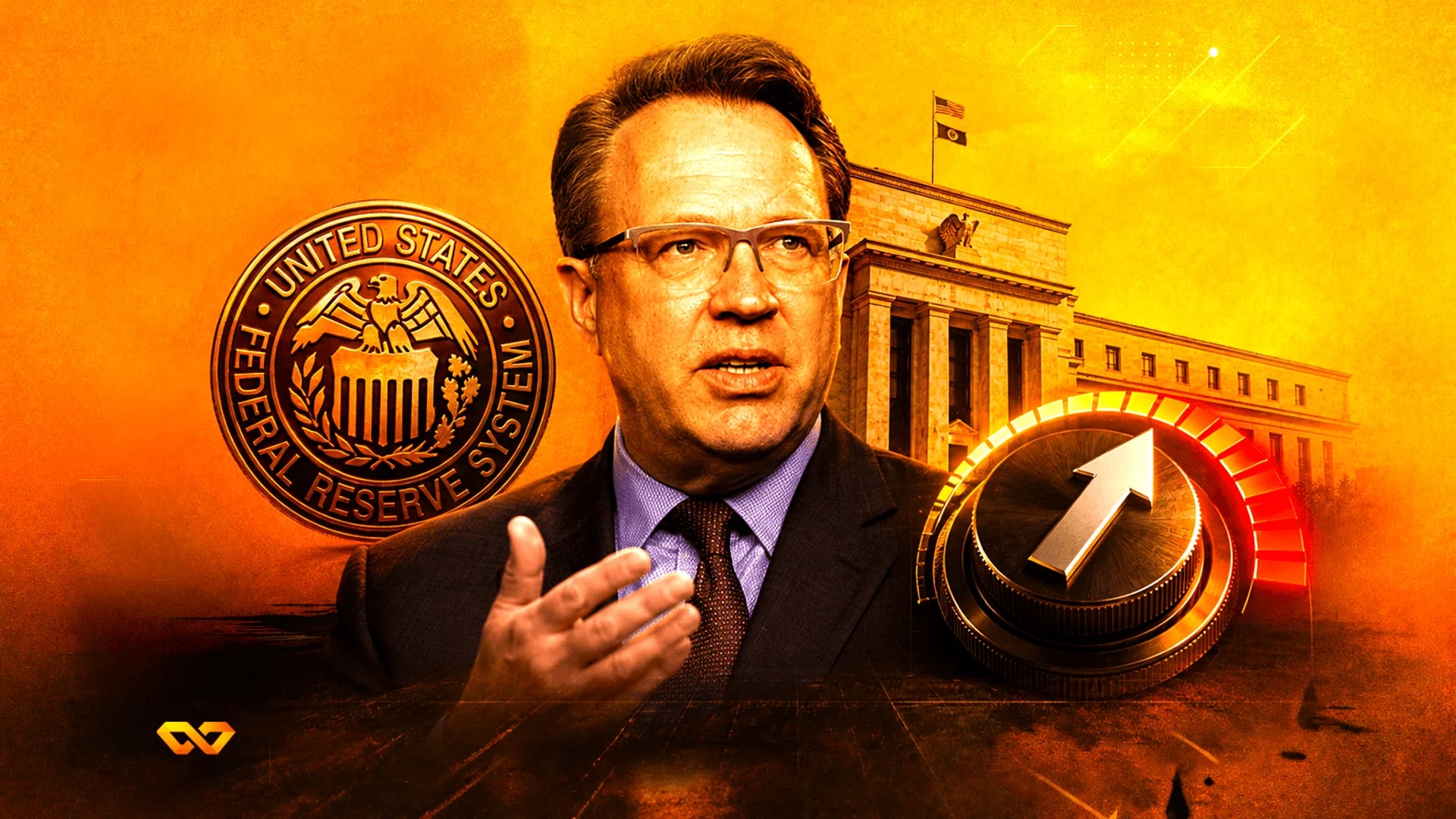
In a move reflecting a potential shift in U.S. monetary policy, New York Fed President John Williams appeared more open to the possibility of interest-rate increases during a television appearance on Wednesday. Williams, previously a key advocate for the Federal Reserve's 'hold and wait' strategy, shifted his tone to include rate hikes as a viable future policy option. According to reports, this rhetoric follows recent efforts by Fed Chair Kevin Warsh to push for a rate hike in September, signaling a broader hawkish turn within the central bank's leadership.
This qualitative shift in rhetoric from a core Fed member comes as global markets monitor the central bank's next moves. The hawkish pivot by Williams reinforces expectations of a more aggressive stance toward inflation, aligning with recent leadership sentiment. Such shifts in policy outlook typically increase rate hike expectations, which can exert downward pressure on equities while supporting the dollar's strength.
Regarding economic indicators, recent data showed initial jobless claims in the U.S. at 203k as of August 27, 2026. This event will serve as a critical catalyst to determine if the recent hawkish commentary will manifest in an official policy tightening.
Latest Updates · 1
- Notable·
Update: In a parallel political development, President Donald Trump stated that the U.S. should have the lowest interest rates in the world, placing symbolic pressure on the central bank. However, the President indicated he is currently giving Fed Chair Kevin Warsh breathing room, potentially easing immediate concerns regarding friction between the White House and the Fed's hawkish trajectory.