
Chevron expands its Venezuela oil plans
Key Facts
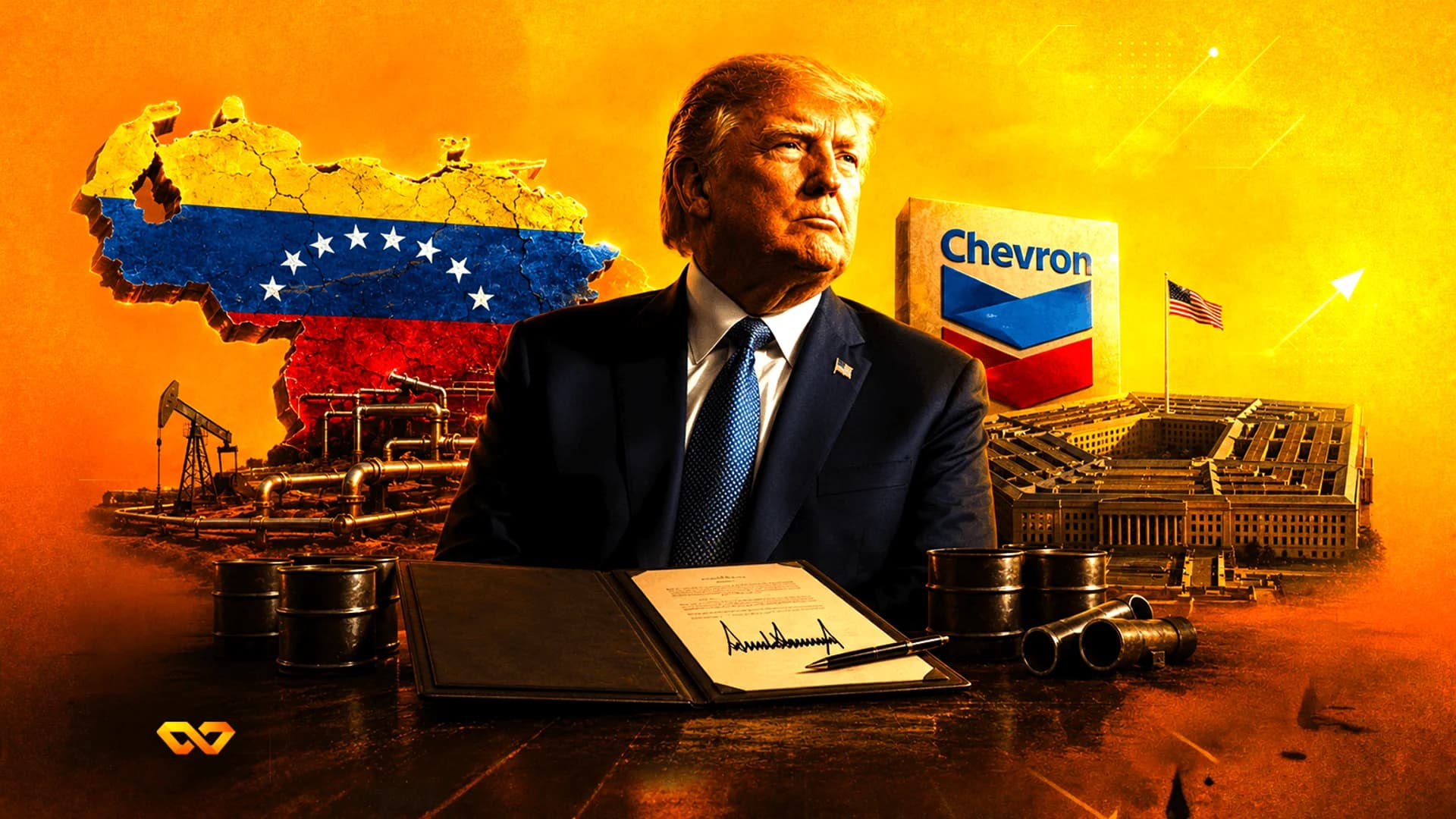
Chevron announced updated agreements for its Venezuelan joint ventures on September 2, 2026, under an investment plan exceeding $7 billion over five years. The ventures target production of about 600,000 barrels a day, more than twice the 2026 level according to the announcement. These are joint-venture targets, not output already achieved or funding committed entirely by Chevron alone. Chairman and CEO Mike Wirth attended the Caracas gathering where the company presented its plans.
The expansion includes development rights to Carabobo-1 and Carabobo-2-South-A in the Orinoco Belt through the Petroindependencia joint venture. A Chevron subsidiary holds a 49% stake in that venture. Chevron says total costs are below $20 a barrel, a broader measure than extraction cost alone and no guarantee of profit on each barrel. Nor can an ownership percentage in one venture simply be multiplied by the combined production target to calculate Chevron's share, because that target covers multiple joint ventures.
Under a separate agreement, the defense department's Office of Strategic Capital holds a 35% interest in North American Blue Energy Partners' parent, according to the White House. That company is not Chevron. Ownership rights in a specified entity establish no entitlement to Chevron's cash flows or dividends. For broader context, see EL7's Venezuela oil analysis (subscribers).
The path from signing an agreement to additional production extends over years, according to Chevron's account. The company links future growth to continued reforms, collaboration and infrastructure improvements. Development rights therefore create an investment opportunity but are not equivalent to production capacity ready to operate immediately. Economically, turning the plan into a return for the company remains conditional on project execution, operating terms and oil prices during development, not the announced investment amount alone.
Adjusted earnings exclude specified items, while diluted EPS accounts for potential additional shares. Total revenues and other income were $70.055 billion, a calculated increase of approximately 56.3% year on year. This is not sales alone. The second-quarter results predate September's agreement and cannot be explained by the expansion; see EL7's Chevron page for more.