
Trump Proposes 50% Tariff on Canadian Car Imports, Threatening Toyota and Honda
Key Facts
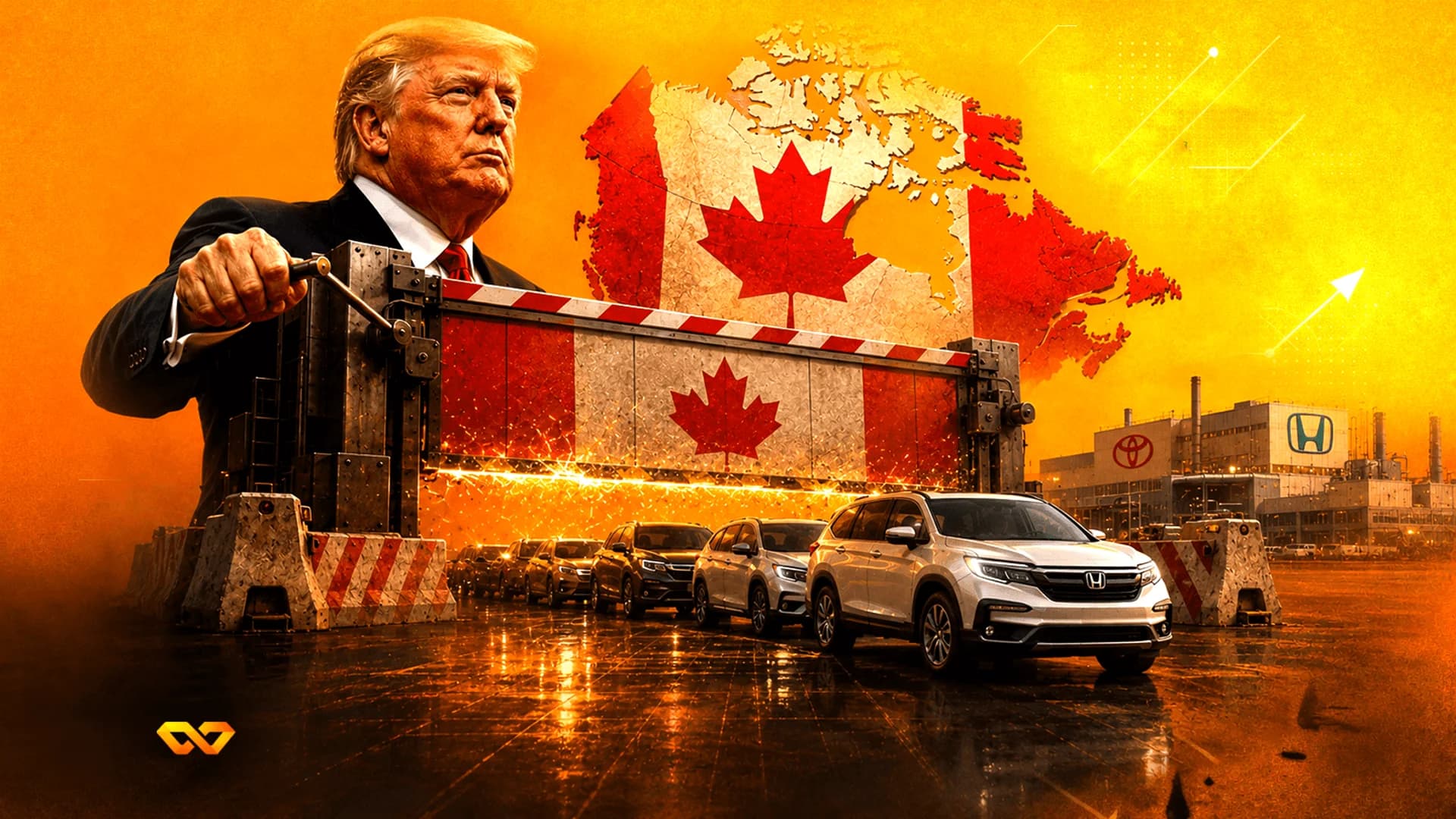
In a sharp escalation of North American trade tensions, U.S. President Donald Trump has proposed a 50% tariff on car imports from Canada. According to reports, this proposal represents a radical shift in the stalled negotiations between Washington and Ottawa, as the White House seeks to apply maximum pressure on Prime Minister Mark Carney’s government. This move places the highly integrated manufacturing sector between the two nations facing an unprecedented challenge that could reshape regional trade dynamics.
The proposed tariffs directly target Japanese automakers with significant Canadian manufacturing footprints, with Toyota and Honda identified as the primary entities likely to bear the heaviest financial burden. Per market data, these companies rely heavily on cross-border supply chains, making them vulnerable to severe cost pressures if Trump’s proposal is enacted. Analysts suggest that this targeting could lead to widespread volatility in investor sentiment regarding the global automotive sector.
Looking at closing levels as of August 30, 2026, investors are monitoring Asian market reactions and official statements from the U.S. Treasury under Scott Bessent for implementation details. With no specific events in the economic calendar for the coming seven days, focus remains on the official response from Ottawa and the likelihood of Canada implementing its previously announced retaliatory tariffs in response to this U.S. escalation.
Latest Updates · 2
- Notable·
Update: The economic effects of the US-Canada trade war are now being felt tangibly on both sides of the border, signaling a shift from tariff threats to actual economic realization. Analysts are now monitoring the depth of this impact on integrated productive sectors as the political deadlock persists.
- Notable·
Update: The trade dispute has taken a symbolic turn following President Donald Trump's executive order renaming 'Lake Ontario' to 'Lake America'. This shift has already seen practical adoption, with Google updating its Maps service to reflect the new designation in accordance with the US executive order.