
Iran Faces Severe Fuel Crisis as U.S. Prepares 'Greatest Financial Offensive' Sanctions
Key Facts
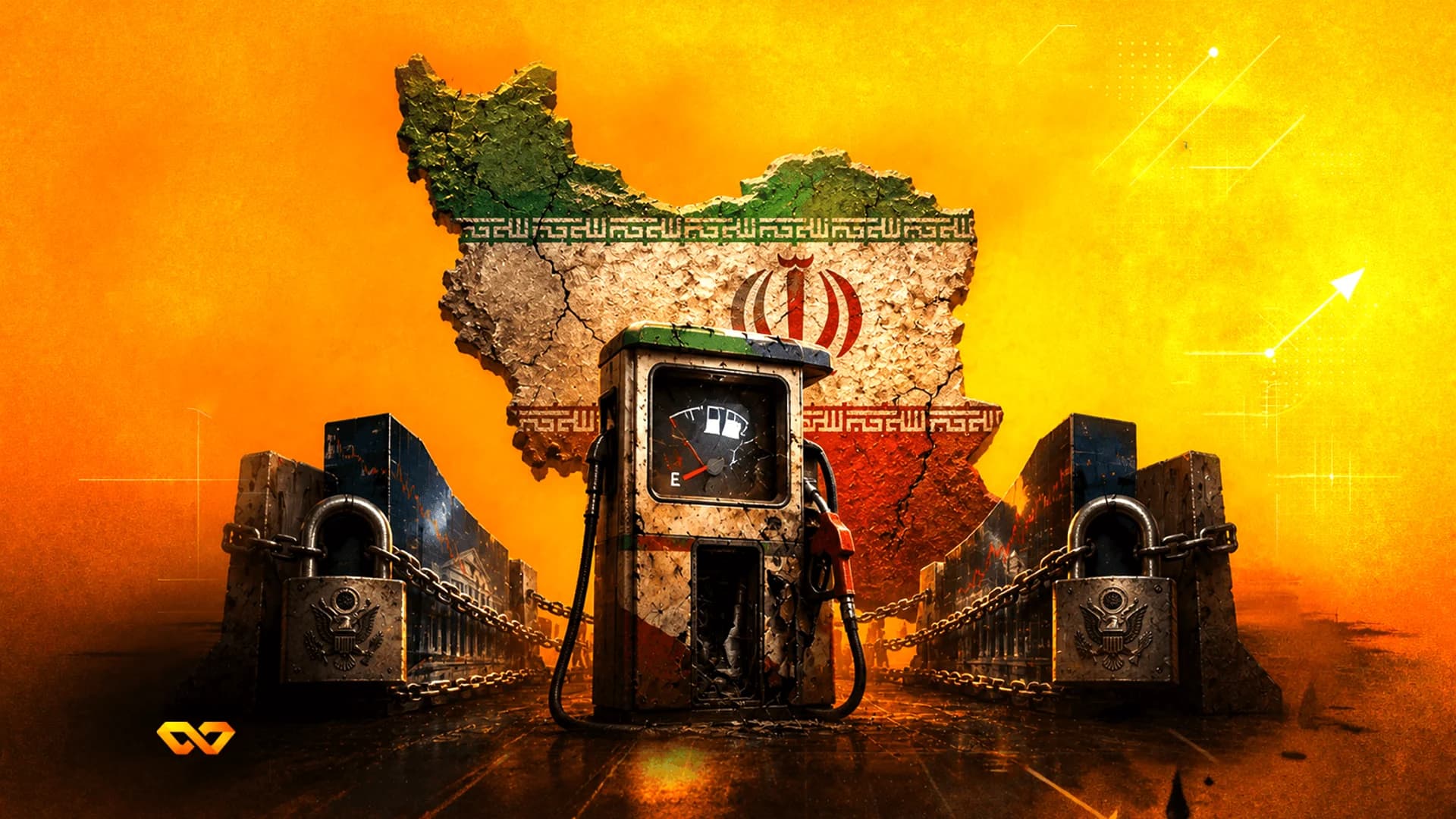
Amid mounting economic pressure, Iran is grappling with a severe domestic fuel crisis as daily gasoline deficits reach 14-15 million liters due to record demand and war-related infrastructure damage. Reports indicate long queues at petrol stations in Tehran driven by public fears of supply shortages and potential price hikes. This internal instability coincides with aggressive rhetoric from U.S. Treasury Secretary Scott Bessent, who characterized upcoming sanctions as the single greatest financial offensive ever marshalled against an adversary.
This immediate energy crunch complicates the narrative following the recent discovery of a gas field in Fars province with 5.7 trillion cubic feet of recoverable reserves. While the discovery is expected to provide 15 years of supply, the current strain on refineries and the fact that only 70% of South Pars operations have been restored highlights a critical gap in immediate refined product availability. The disconnect between long-term resource potential and current fuel shortages leaves Tehran vulnerable to the 'draconian' measures promised by Washington.
Looking ahead, market participants are monitoring how these tensions will impact global energy supply stability, especially following the 3.28 million barrel decrease in U.S. API crude stocks reported on August 18, 2026. Investors should watch the EIA Weekly Petroleum Report scheduled for August 19, 2026, as a key catalyst for energy prices amid threats of a total financial blockade on Iranian exports. Volatility remains elevated as geopolitical risks continue to dominate the regional energy outlook.