
Oil Prices Sink 3% as Iran Unveils Contingency Plan Against US Sanctions
Key Facts
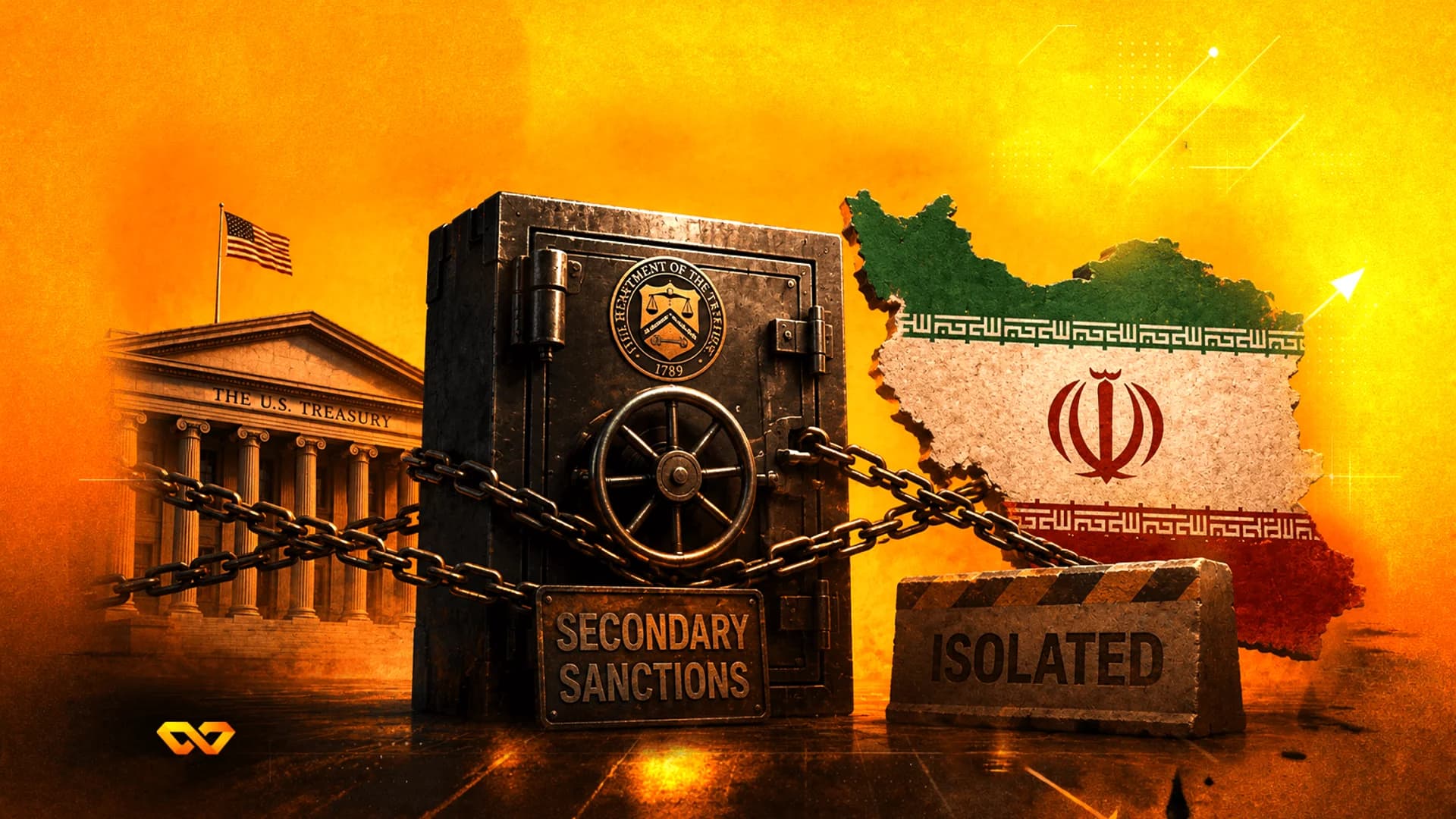
Amid shifting market sentiment and geopolitical friction, oil prices dropped 3% to hit a 12-day low following new developments in the US-Iran standoff. Iran has responded to the threat of expanded US Treasury sanctions by announcing a two-year economic contingency plan designed to withstand financial isolation. According to reports, this move aims to shield the Iranian economy from Washington's 'financial offensive' intended to sever its global economic ties.
The sharp decline in prices reflects market reaction to the escalating pressure and Iran's defiant stance. Per market data, the US strategy involves tightening secondary sanctions to close financial loopholes, while Iran's new plan signals a long-term commitment to resisting these measures. This escalation has introduced fresh volatility into energy markets as investors weigh the impact of sanctions against the resilience of regional supply chains.
Looking ahead, the market remains focused on the API Crude Oil Stock Change report scheduled for August 18, 2026, for immediate supply cues. Investors will also scrutinize the EIA Weekly Petroleum Report on August 19, 2026, to determine if the current 12-day price lows will find support or if the geopolitical premium will continue to erode in light of the new Iranian economic strategy.
Latest Updates · 3
- Notable·
Update: The impact of these pressures is manifesting on the ground, with long lines forming at petrol stations in Tehran amid official warnings of supply shortages. This crisis is being driven by a combination of surging inflation and heightened war risks, triggering public distress over the availability of essential fuel supplies.
- Notable·
Update: Treasury Secretary Scott Bessent characterized the move as an 'economic D-Day' targeting Iran's partners. Market reactions were immediate, with oil prices dropping by over $2 per barrel following profit-taking, while gold prices surged to a three-month high amid broader dollar weakness.
- Notable·
Update: The US financial offensive has broadened to explicitly target the cryptocurrency, gold, aviation, and shipping sectors. Reports describe this latest package as an 'economic D-Day' against Tehran, aiming to close all remaining trade and financial loopholes.