
Trump to Allow 300,000 Tons of Duty-Free Beef Imports to Cool Prices
Key Facts
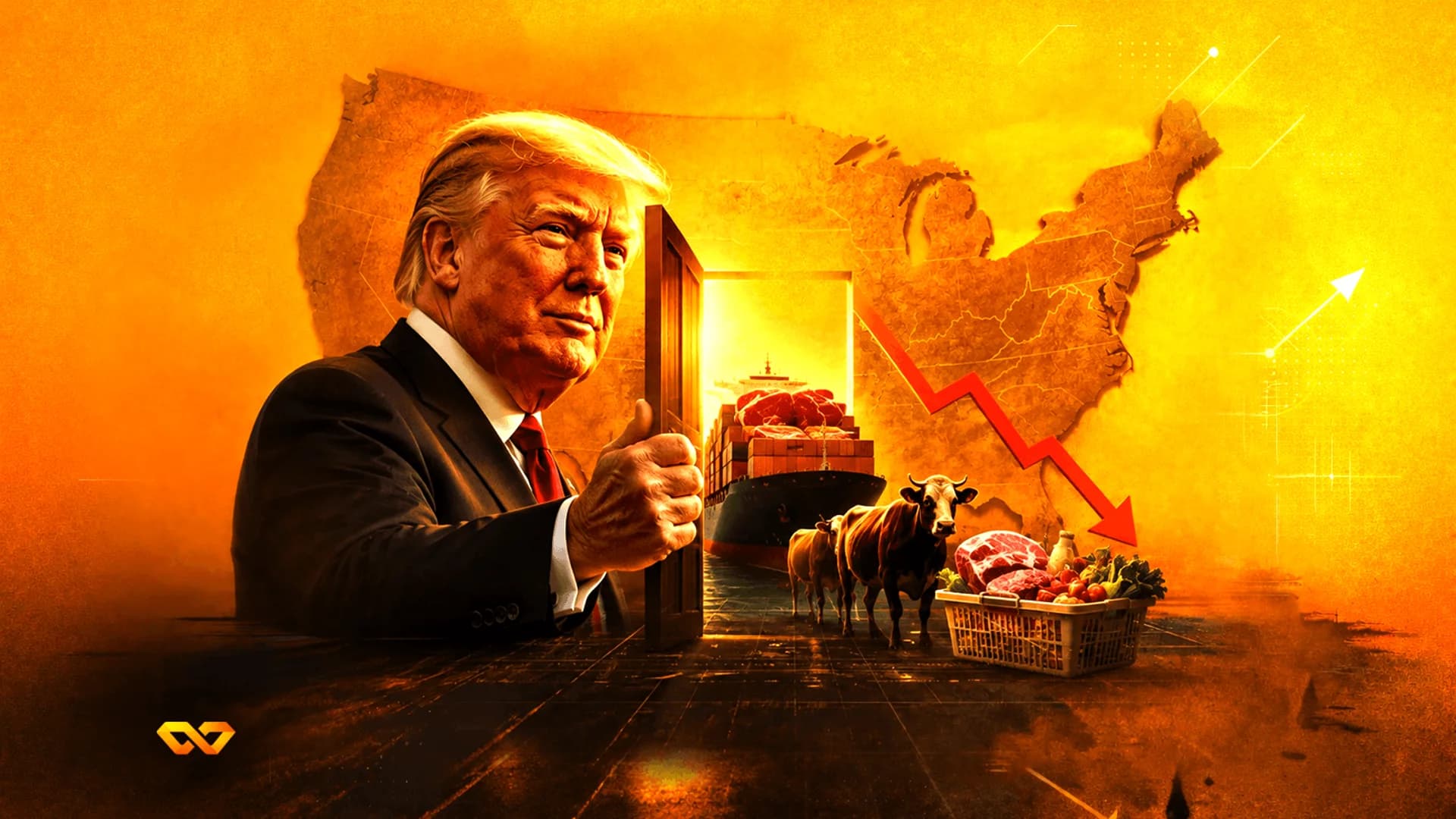
In a move aimed at addressing food price inflation, President Trump announced a temporary allowance of up to 300,000 metric tons of ground beef imports without high tariffs. This initiative comes in response to domestic supply shortages that have driven prices higher, impacting American household budgets. The administration intends for this decision to provide immediate relief to consumers by increasing the volume of beef available in the market.
This policy reflects a shift toward trade easing to counter price pressures, especially as inflation concerns persist in the United States. According to market dynamics, increasing supply through imports may pressure domestic producers but aligns with efforts to lower the cost of living. Recent economic data shows that 1-year inflation expectations in the U.S. stood at 4.3% as of August 14, 2026, reinforcing the need for government interventions to stabilize prices.
Looking at the economic calendar, markets are watching retail sales data across various regions to gauge consumer spending strength, noting that U.S. consumer sentiment reached 51 in mid-August 2026, falling short of previous forecasts.
Latest Updates · 3
- Notable·
Update: Tyson Foods and JBS have been identified as the entities most likely to be negatively impacted by this decision, as duty-free imports are expected to intensify price competition and pressure profit margins for major meatpackers. Traders are now monitoring TSN and JBSAY stock performance to gauge the market's response to these new operational pressures in the agricultural sector.
- Notable·
Update: Cattle futures declined following the emergence of new details regarding the import agreement, with President Trump announcing a 25% discount secured from unnamed foreign suppliers for a three-month period. This discount is expected to further intensify downward pressure on domestic meat prices in the near term.
- Major·
Update: New financial data reveals fiscal pressure resulting from trade policies, as the Trump administration recorded a net loss in customs revenue exceeding $25 billion in June. This deficit follows tariff refunds totaling $100 billion, which effectively wiped out all revenue generated by import taxes since May.