
US Treasury Policy Shift Boosts Gold's Appeal as Inflation Hedge
Key Facts
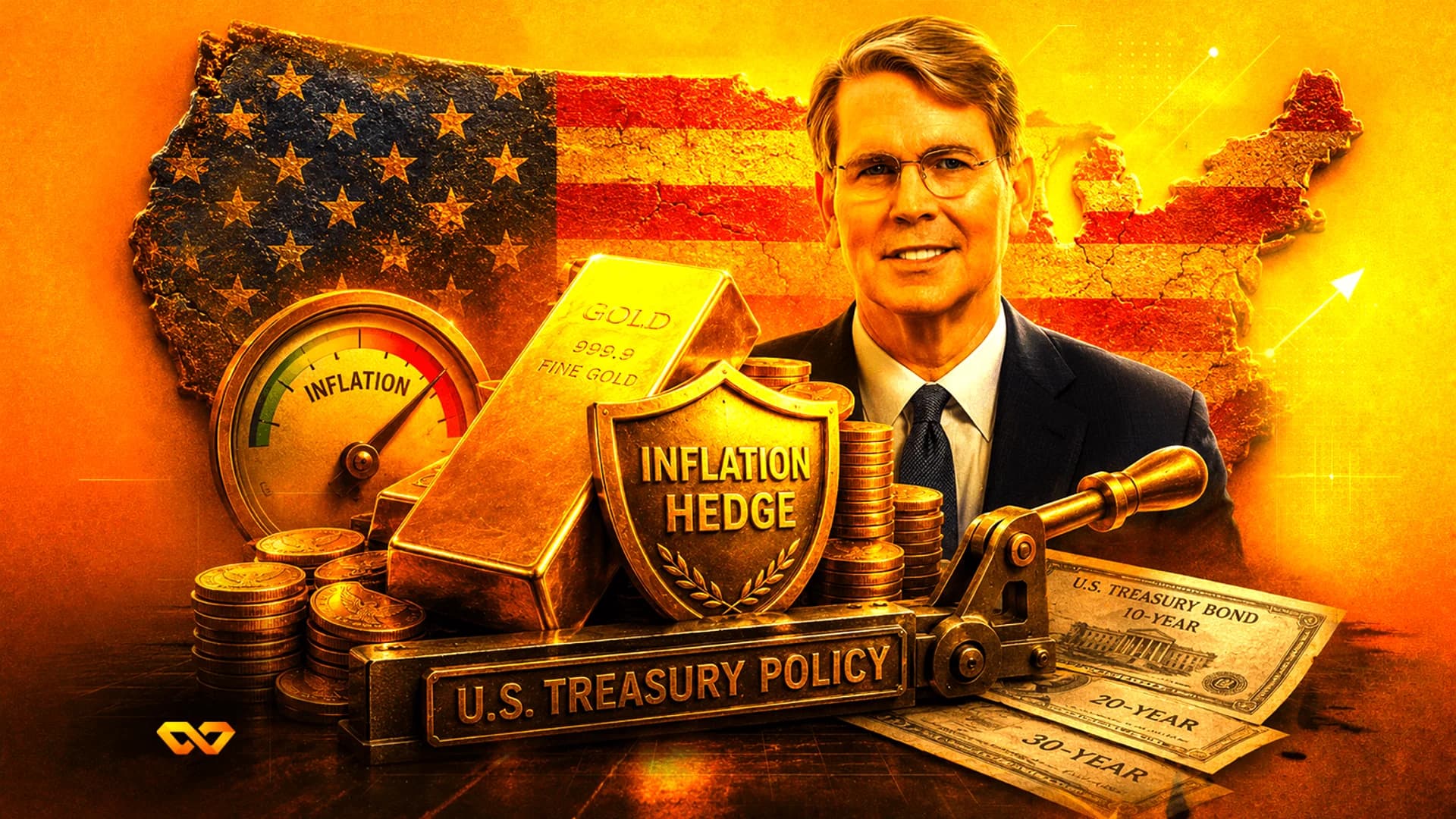
Amid rising concerns over the sustainability of U.S. public debt, new fiscal policies are emerging as a primary driver for precious metals markets. According to reports from ByteTree analysts, Treasury Secretary Scott Bessent's interventions in the bond market amount to a form of indirect quantitative easing that directly supports gold prices. This perspective comes at a time when gold is increasingly viewed as a 'must-have' asset to hedge against inflationary pressures stemming from expansionary fiscal policies.
The U.S. Treasury plans to double its purchases of long-dated government bonds, a move primarily aimed at keeping borrowing costs down and stabilizing the market. Experts argue that this expansion of debt buybacks injects additional liquidity into the financial system, bolstering gold's position within investment portfolios. Per market data and analyst observations, central bank demand remains a critical factor, with trade surpluses from major economies like China continuing to flow into gold reserves.
On the economic calendar, markets are awaiting the release of U.S. Retail Sales and the Michigan Consumer Sentiment index on August 14, 2026. These catalysts will provide clearer insight into inflation trends and consumer strength, potentially influencing gold's price trajectory in the near term.