
Fed Minutes Reveal Readiness for Rate Hikes if Inflation Persists
Key Facts
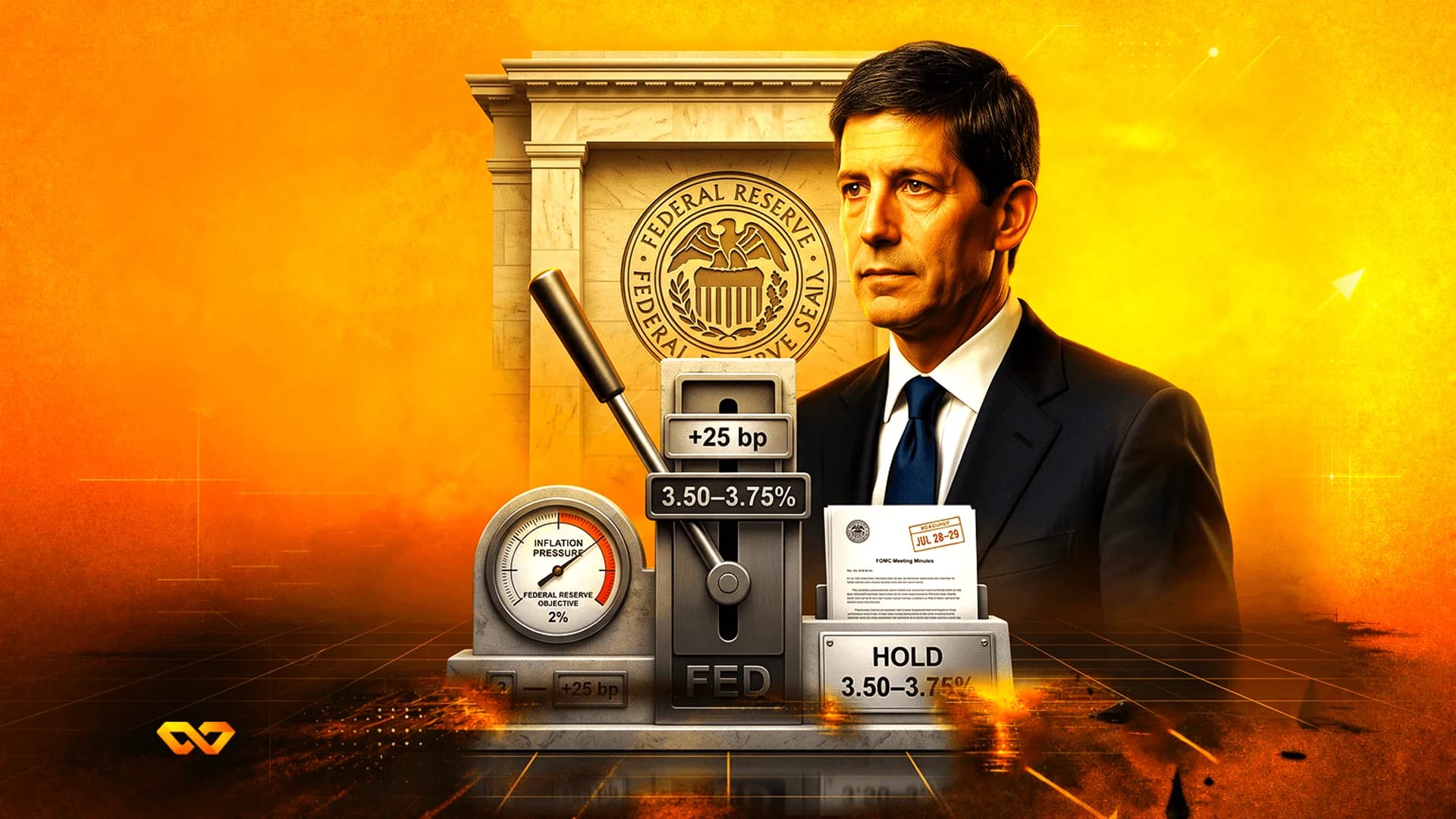
The Federal Reserve's July 28–29 meeting minutes revealed a hawkish internal divide, as the decision to hold interest rates at 3.50–3.75% was reached by a 9–3 vote. According to reports, this tally masked a more aggressive debate where 'several participants' actually favored an immediate 25-basis-point hike, while 'many' others agreed that further tightening would be necessary if inflation failed to recede.
These specific details emerge as policymakers express concern that price pressures remain too high, complicating the path toward their long-term targets. Per market data, global context remains mixed with Spain's annual CPI at 3.6% and Norway's interest rate holding at 4.25%, highlighting the persistent inflationary environment that the Fed is currently navigating.
Traders should watch for upcoming catalysts, specifically speeches by Fed officials Barkin and Hammack scheduled for August 13, 2026, which will be critical in gauging the momentum for a potential rate hike.
Latest Updates · 3
- Notable·
Update: New structural developments emerged as Fed Chair Kevin Warsh proposed reducing the frequency of FOMC meetings to six per year starting in 2027. Additionally, the minutes highlighted concerns that inflationary pressures are persisting even after accounting for transitory factors such as tariffs and Iran-related tensions, suggesting more deeply rooted price challenges.
- Notable·
Update: Additional details from the minutes revealed that the inclination toward a rate hike was more widespread than previously thought, with the number of officials favoring an increase exceeding the three who formally dissented. This new data underscores the seriousness of potential monetary tightening in upcoming meetings.
- Notable·
Update: Fed officials noted during deliberations that the surge in AI investments could create broader price pressures, keeping inflation risks skewed to the upside. Additionally, policymakers indicated that the pass-through of tariff costs is now largely complete, shifting the focus toward these newer structural inflationary drivers.