
Brazil Triggers Reciprocity Law Against US Tech Firms Following Tariff Dispute
Key Facts
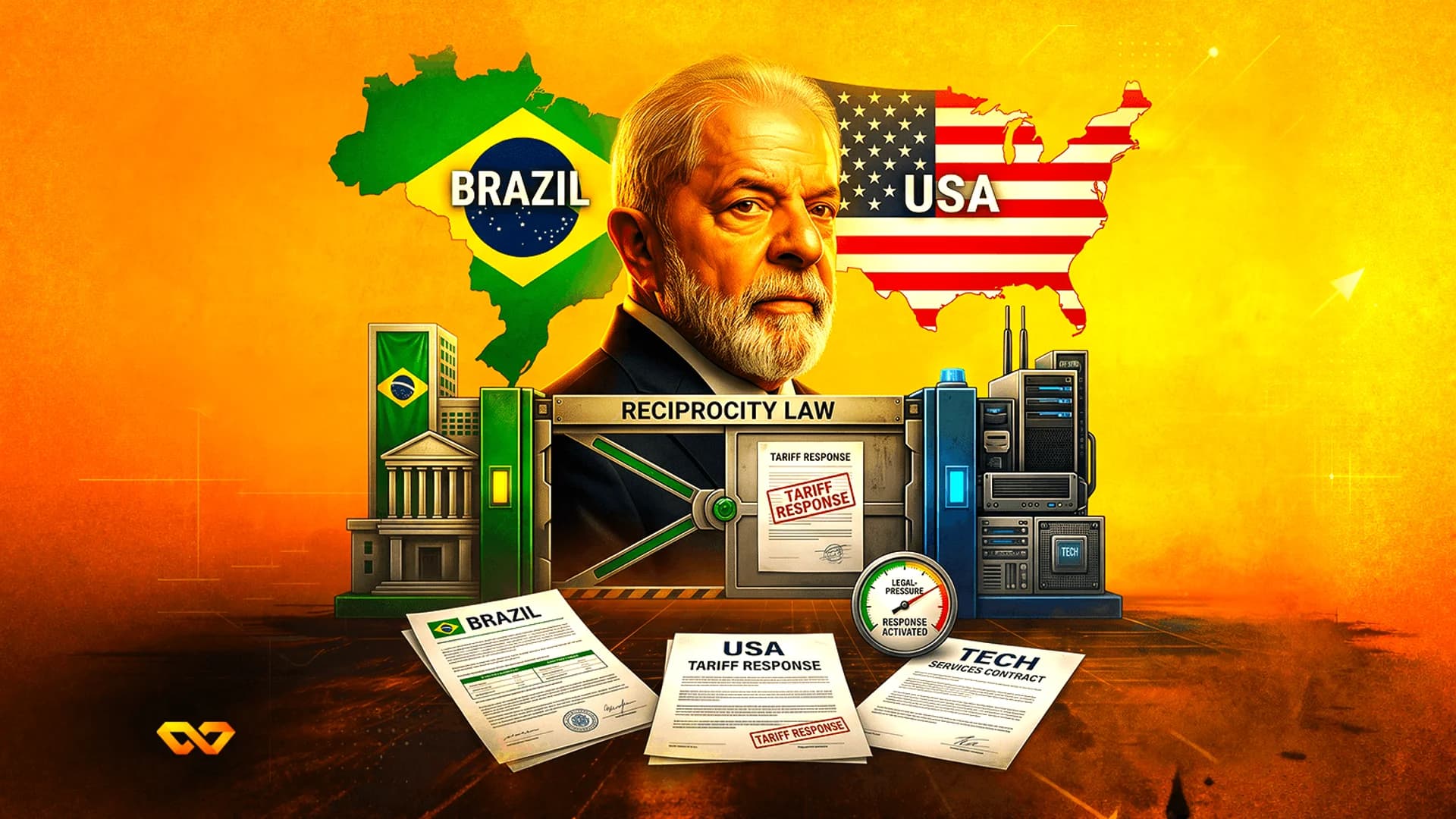
In a move reflecting escalating trade tensions across the Americas, Brazilian President Luiz Inácio Lula da Silva has officially triggered an economic reciprocity law mechanism against U.S. technology firms. This action serves as a direct retaliation to the Trump administration's July decision to impose import duties of up to 37.5% on hundreds of Brazilian export products. President Lula stated that the invocation of the law is intended to demonstrate that Brazil must be respected, dismissing U.S. accusations of unfair trade practices as politically motivated.
This geopolitical escalation occurs against a backdrop of persistent inflationary pressures within the Brazilian economy. According to market data from August 11, 2026, Brazil's annual inflation rate stood at 4.44%, slightly higher than the 4.4% forecast. The targeting of high-value U.S. tech sectors through reciprocity laws marks a significant shift in trade relations, as both nations grapple with diplomatic friction involving the revocation of ambassadorial visas and disagreements over diplomatic appointments.
Traders should closely monitor further escalations in this trade dispute, which could impact tech sector volatility. Future developments in the lead-up to the October elections will be critical in determining whether this trade spat evolves into a broader regional economic disruption.