
Trump Claims Full Control of Strait of Hormuz, Demands Iran Reparations
Key Facts
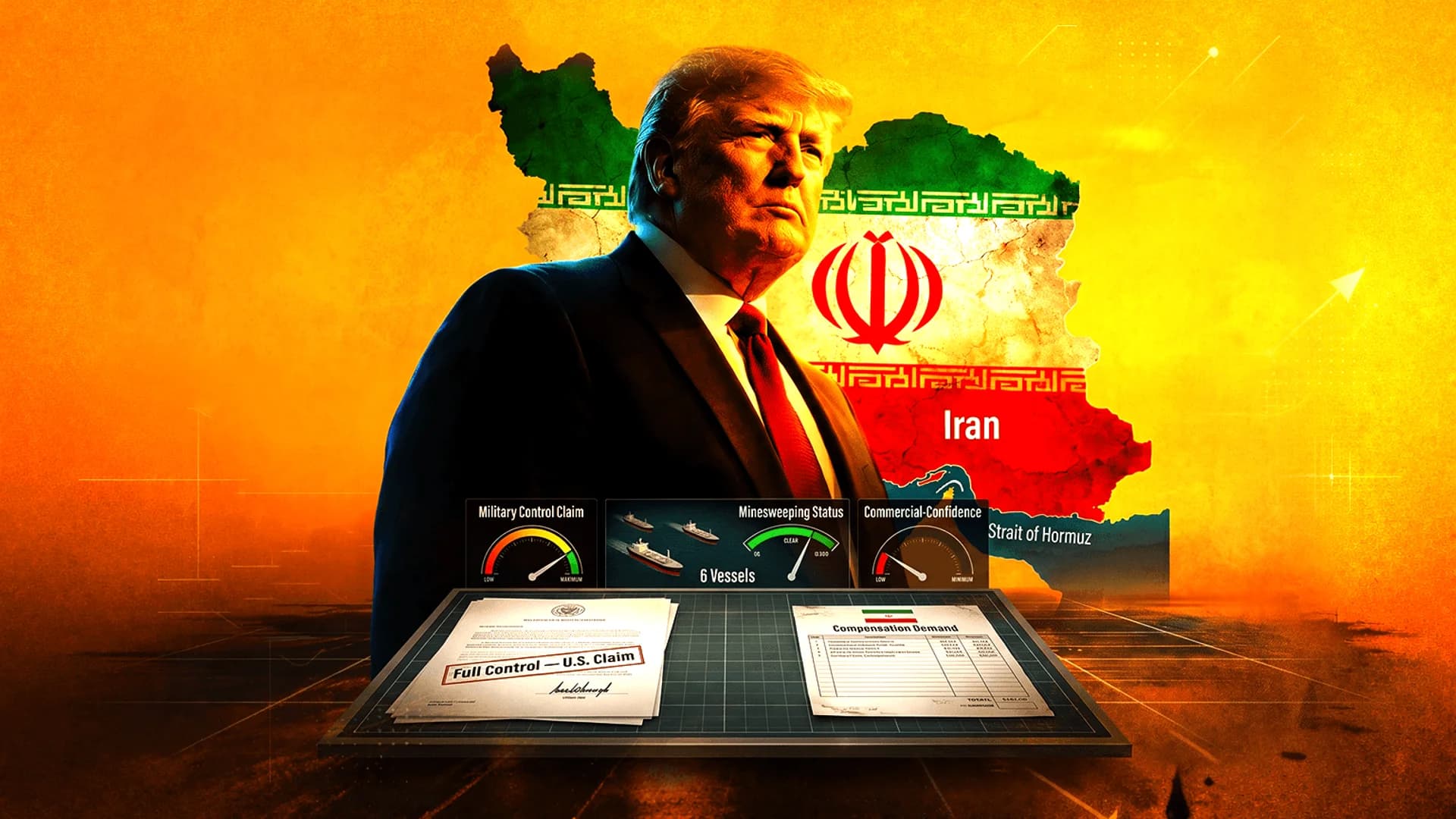
In a move reflecting a significant escalation in Middle East geopolitical tensions, President Donald Trump announced that the U.S. Navy has established 100% control over the Strait of Hormuz. The declaration followed military operations to clear the waterway of mines, placing the world's most critical oil transit chokepoint under direct U.S. supervision. Furthermore, the President escalated the standoff by demanding that Iran pay financial reparations to the United States as the confrontation intensifies.
According to reports, this maneuver aims to exert maximum financial and strategic pressure on Tehran amid ongoing military readiness. The Strait of Hormuz is a vital hub for global energy supplies, and direct military control raises immediate concerns regarding supply chain disruptions. This escalation carries a bearish sentiment for broader markets due to the heightened risks of armed conflict and its potential impact on global energy prices.
Regarding economic data, the API Crude Oil Stock Change reported an increase of 2.69 million barrels on August 4, 2026, which may interact with current geopolitical developments. Traders are now looking forward to the EIA Weekly Petroleum Report scheduled for August 5, 2026, to gauge how these tensions influence inventory levels and demand.
Latest Updates · 1
- Major·
Update: In a reciprocal escalation, an Iranian official stated that the Strait of Hormuz will remain closed unless the United States meets specific Iranian conditions. This response marks a shift from threats to a confirmed closure of the waterway, deepening concerns over prolonged disruptions to global energy supplies.