
Oil Prices Rise Amid Geopolitical Risks in Hormuz and Red Sea
Key Facts
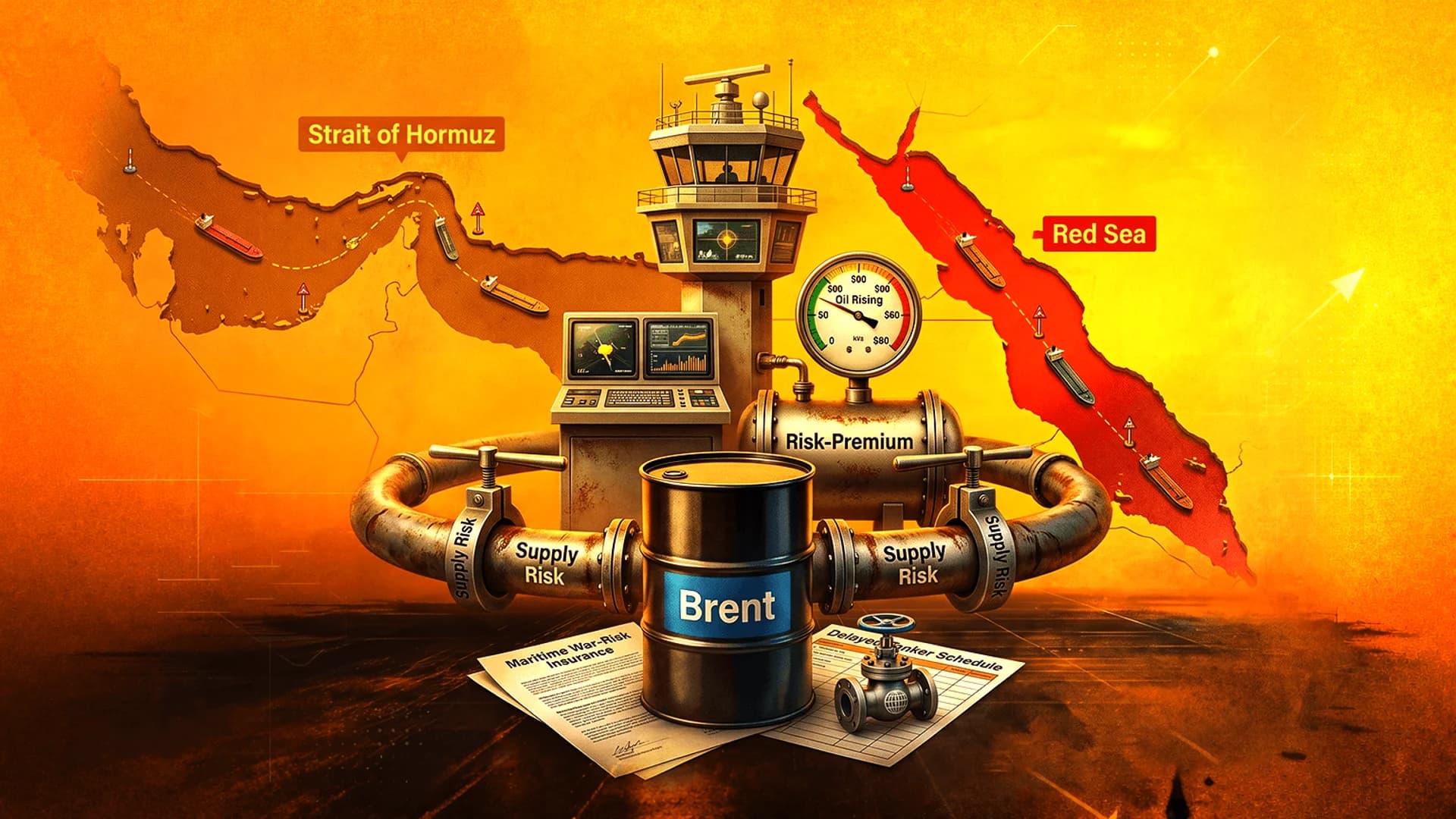
Amid escalating tensions in vital maritime corridors, oil prices experienced an upward trend driven by persistent geopolitical instability. According to reports, prices rose due to uncertainty surrounding the reopening of the Strait of Hormuz and ongoing attacks by the Houthi movement, sparking concerns over global supply chains. This movement reflects traders pricing in risk premiums to account for potential disruptions in energy flows.
These geopolitical pressures coincide with investors monitoring global demand signals, where market data showed mixed economic performance across major economies. In China, the Manufacturing PMI recorded 50.9 in early August, missing the 51.5 forecast, while the United States showed industrial strength with the ISM Manufacturing PMI reaching 55.6, exceeding expectations and complicating the future demand outlook for crude.
Looking ahead, energy market participants are monitoring official updates regarding maritime security in the Strait of Hormuz and the Red Sea as a primary catalyst for current momentum. Attention is also fixed on macroeconomic data, with significant monetary policy decisions scheduled in several countries, including India's interest rate decision, which may influence general risk appetite in commodity markets.