
Iran Proposes Strait of Hormuz Transit Fees Sparking Global Shipping Outrage
Key Facts
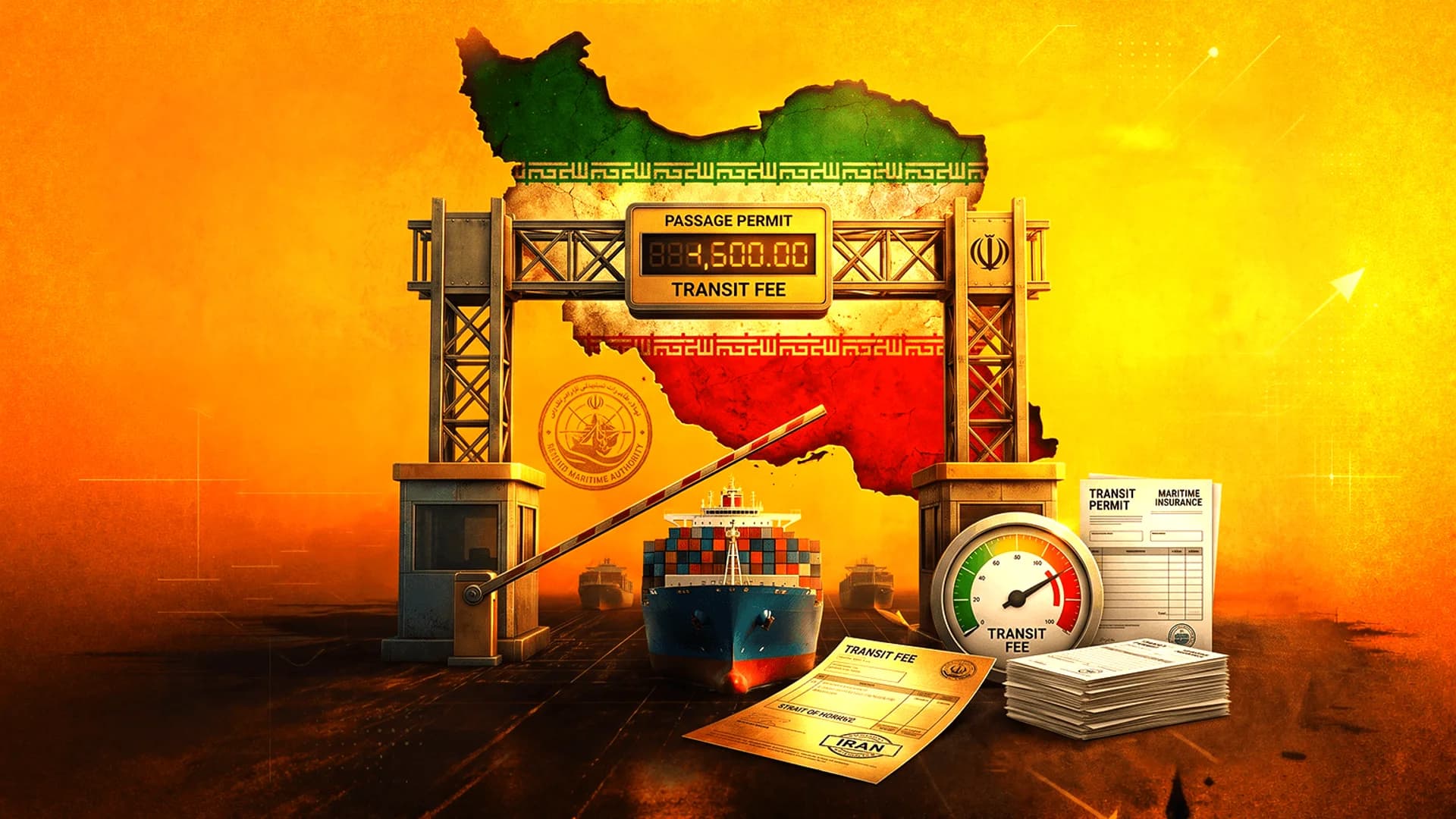
In a move that threatens to increase global trade costs and escalate geopolitical tensions, Iran has announced a plan to reopen the Strait of Hormuz that includes a controversial proposal to charge transit fees on passing vessels. According to reports, this plan aims to exert greater Iranian control and generate revenue from one of the world's most critical maritime chokepoints. Global shipowners and maritime companies have expressed profound outrage over the proposal, viewing the levies as an unjustifiable financial burden on international trade.
This escalation comes at a sensitive time for maritime commerce, with major lobby groups—including the International Chamber of Shipping and the Asian Shipowners Association—protesting the potential agreement. Per market dynamics, any additional costs or disruptions in the Strait of Hormuz directly impact the global energy sector, as it serves as a primary artery for oil and gas flows. Maritime industry leaders fear that such fees could set a precedent that complicates operations across various international waterways.
Investors are closely monitoring international responses to the Iranian proposal, especially as global inflationary pressures persist; recent data from Germany showed an annual inflation rate of 2.8% in July 2026, making markets highly sensitive to any shipping cost increases that could fuel further price hikes.